
The Psychology of Spring Cleaning: 7 Ways It Makes a Difference
As it turns out, spring cleaning taps into something deeper than tidying up. We dive into the psychology of spring cleaning and its benefits.

There’s something about the first warm breeze after a long winter that makes you want to fling open the windows, blast your favorite playlist, and tackle that junk drawer you’ve been ignoring since last spring. As it turns out, spring cleaning taps into something deeper than just tidying up. Psychologists say this seasonal ritual reflects our natural desire for renewal and control. It’s a mental reset that aligns perfectly with the external cues of longer days, more sunlight, and a collective cultural shift toward growth and change. Here are 7 very real psychological and physical reasons spring cleaning actually makes a difference:
Greater Sense of Control and Accomplishment

After a long winter of hibernation and maybe a little chaos (thanks, holiday clutter), spring cleaning can help you feel back in charge. The process of cleaning and organizing provides a real, tangible sense of control, which many of us lose during colder, darker months. Even something as simple as organizing your kitchen cabinets or finally going through that stack of mail can spark momentum and restore a feeling of agency. Spring cleaning is a reminder that you have power over your environment.
It Provides Mood Enhancement and Stress Relief

Ever feel oddly satisfied after organizing your closet or clearing off your desk? That’s dopamine talking. The brain’s “feel-good” chemical spikes when we clean and see immediate results, boosting our mood and giving us a quick hit of accomplishment. There’s even research to back it up: cortisol levels (a.k.a. your stress hormone) drop significantly when your surroundings are tidy. A study from the National Stress Institute found that 87% of people feel less stressed in organized spaces. Translation? A clean space equals a calmer mind.
Emotional Processing Through Letting Go

Spring cleaning can get emotional, and that’s actually a good thing. That shirt you’ve had since college? The stack of birthday cards from a complicated relationship? Sorting through these items isn’t just about physical space; it’s about emotional closure. In fact, 62% of people in a 2021 study reported feeling relief after discarding items with emotional baggage. Letting go of physical clutter often mirrors letting go of the mental and emotional associations we have with those items. It’s a quiet but powerful act of making space both in your home and your life.
Sharper Focus and Higher Productivity

If you’ve ever tried to get work done in a messy space, you already know: clutter is distracting. Research shows that disorganized environments reduce cognitive processing and increase feelings of overwhelm. On the flip side, cleaning up your space can boost productivity and even improve your decision-making. Think of your brain like a computer–it runs faster when there are fewer tabs open. A clean desk might not solve all your problems, but it can definitely help you think more clearly.
Healthier Breathing and Fewer Allergies
Here’s the less glamorous (but super important) part: spring cleaning actually improves your physical health. Over the winter months, dust, mold spores, pet dander, and all sorts of invisible allergens settle into your home. Deep cleaning helps eliminate those irritants, which is especially critical if you have asthma or seasonal allergies. Better indoor air quality means fewer sniffles, fewer headaches, and better sleep because you can’t rest well if you’re sneezing or struggling with a stuffy nose all night.
The Effects Can Be Long-Lasting

Spring cleaning might feel like a once-a-year blitz, but the effects can stick around much longer than that. Studies show that the psychological boost from decluttering—like reduced stress and a stronger sense of well-being—can last for months. For example, a longitudinal study conducted at Harvard examined well-being changes after a 14-day decluttering intervention. Participants reported improvements in happiness, calmness, mental clarity, confidence, productivity, and relationship satisfaction at the end of the period. These benefits were sustained throughout the intervention, suggesting that the psychological effects of decluttering aren’t momentary. In the same way you schedule doctor’s appointments or workouts, setting aside time to clean can support your mental health in the long run.
It’s a Natural Reset Button
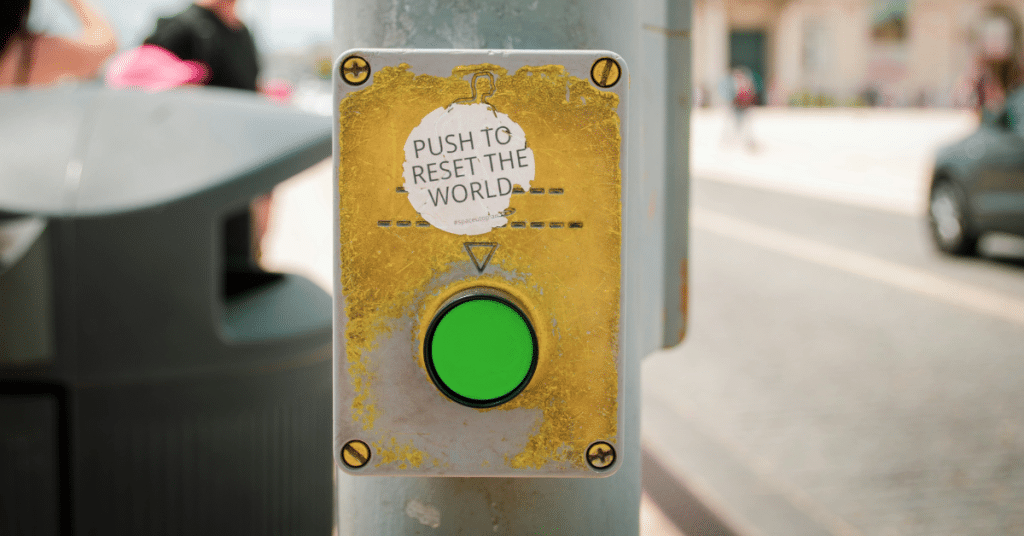
When the world around you starts blooming and buzzing again, it makes sense that you’d want your home—and your mind—to follow suit. Spring cleaning is basically hitting a reset button, helping you clear the fog that built up over winter and preparing your space (and your energy) for new growth. You’re actively investing in your mental clarity, emotional balance, and overall well-being. And that makes every sweep of the broom totally worth it.
Author