
Parentification in the Latino Community: Growing Up Too Fast
Too often, we are loading our kids with grown-up responsibilities. Emotional support, family mediation, you name it—they're doing it all when they should just be worrying about kid stuff.

Too often, we are loading our kids with grown-up responsibilities. Emotional support, family mediation, you name it—they're doing it all when they should just be worrying about kid stuff.
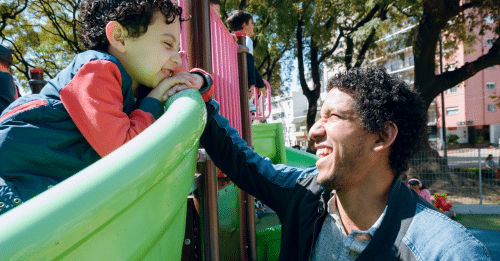
For generations, machismo has defined masculinity, but an increasing number of Latino men are doing the inner work of challenging traditional notions of masculinity with the guidance of organizations and advocacy groups dedicated to unlearning machismo.

Ever reach the point where “talking it out” just isn’t enough? That's when going no-contact becomes an option, and an act of self-preservation.
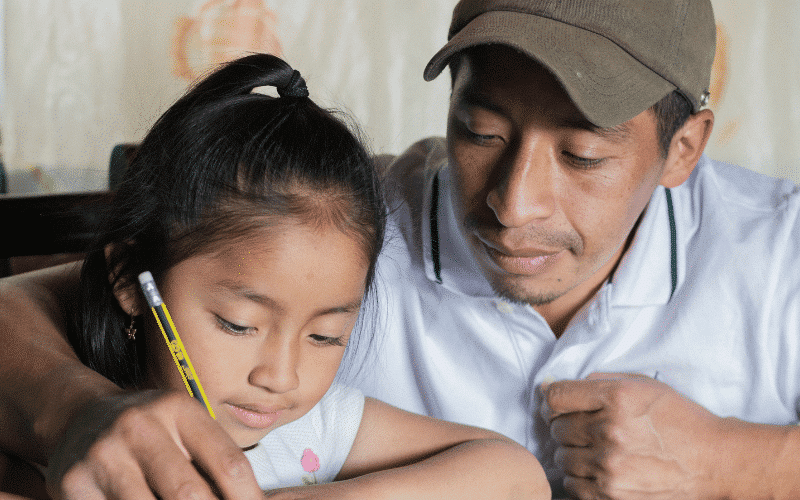
With 3.52 million Latine families in the U.S. led by single mothers, absent fatherhood is a cultural challenge more than a statistic. But the tide is shifting.

Growing up, we were all exposed to classic Latino mom phrases like "No comas aguacate si estás enojado." But how much of this health advice actually holds up?
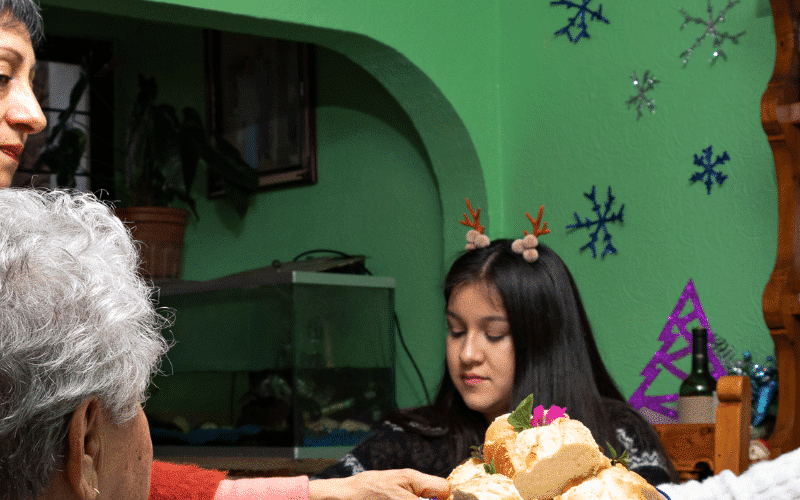
For Latinas, awkward questions during family gatherings are practically a seasonal tradition. Navigating them with grace can be difficult if you don't have the tools.

From juggling family dinners to coordinating with relatives, the responsibility of bringing everyone together is a responsibility many Latinas know well. There’s a name for this invisible family and relationship maintenance work.

From a young age, eldest daughters are taught to prioritize others, often at the expense of their own needs. But what happens when people-pleasing becomes too heavy a burden?

While it's still pretty hard for some of us to even imagine retiring ourselves, many of us bear the weight of being our parents' providers once they reach retirement age. With this expectation in mind, it's important to be equipped on how to navigate your parents' retirement plan, check out our guide for some useful tips.
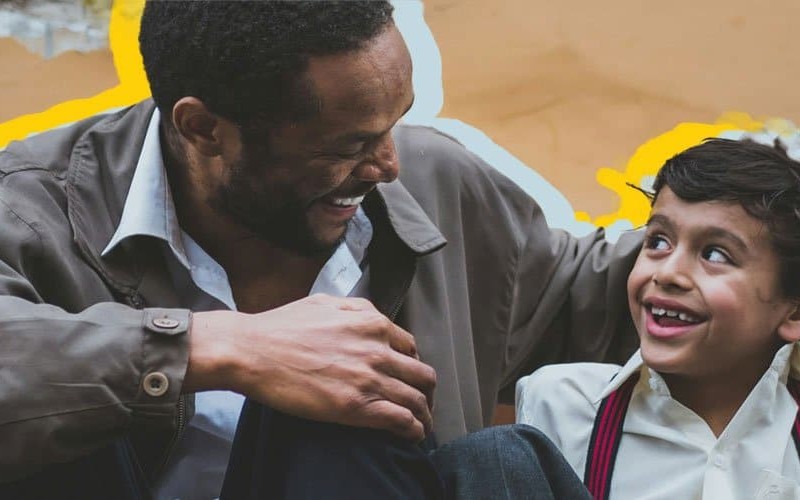
Machismo has cast a long shadow over the Latino community, shaping the beliefs and behaviors of many fathers. But change is possible, and it starts with fathers themselves.