
How the ‘Spicy Latina’ Stereotype Hurts Real Women

There’s a certain character that keeps popping up in shows, movies, ads, and even dating app bios: the “spicy Latina.” She’s curvy, loud, dramatic, flirtatious; equal parts comic relief and sexual fantasy. She’s wrapped in animal print, dripping in sass, and always ready to stir the pot. It’s a character trope that’s been passed off for decades as flattering, even empowering. But beneath the surface, it’s reductive, and it’s hurting real women. The “Spicy Latina” stereotype is more than a tired media cliché. It’s a cultural script that flattens Latina identity into something marketable, palatable, and convenient. And while it might generate laughs or clicks, the long-term cost of these portrayals is serious. This stereotype shapes how Latinas are viewed, treated, and even how they see themselves.
Where the Stereotype Comes From and Why It Won’t Go Away
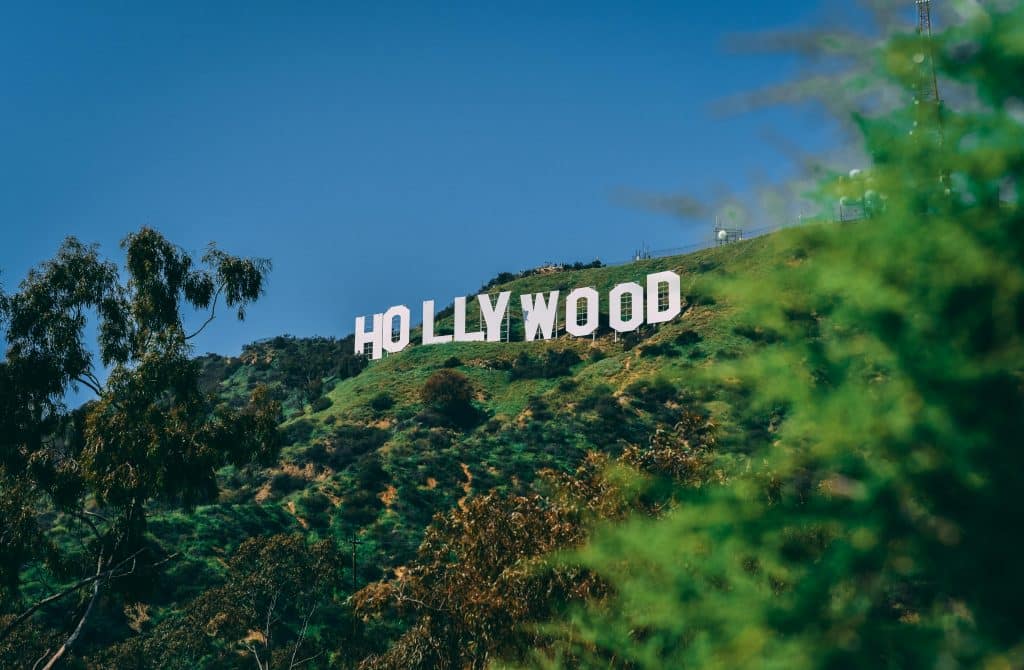
Hollywood has never been subtle about the way it portrays Latinas. Since the early days of cinema, Latina actresses have been cast in roles that lean heavily on passion, temper, and sexual energy. From the “Mexican spitfire” characters of the 1930s to modern-day sitcom moms like Gloria from the popular sitcom “Modern Family,” the industry has consistently pushed one note for Latina characters: fiery and irresistible. Even when a show or film appears progressive, Latina characters are often typecast as loud, hot-headed, and hypersexualized. Think Santana from “Glee,” Maddy from “Euphoria, or Gabrielle from “Desperate Housewives;” their stories revolve around their desirability, their drama, and their “otherness.”
It Doesn’t Exist Only in Movies and TV
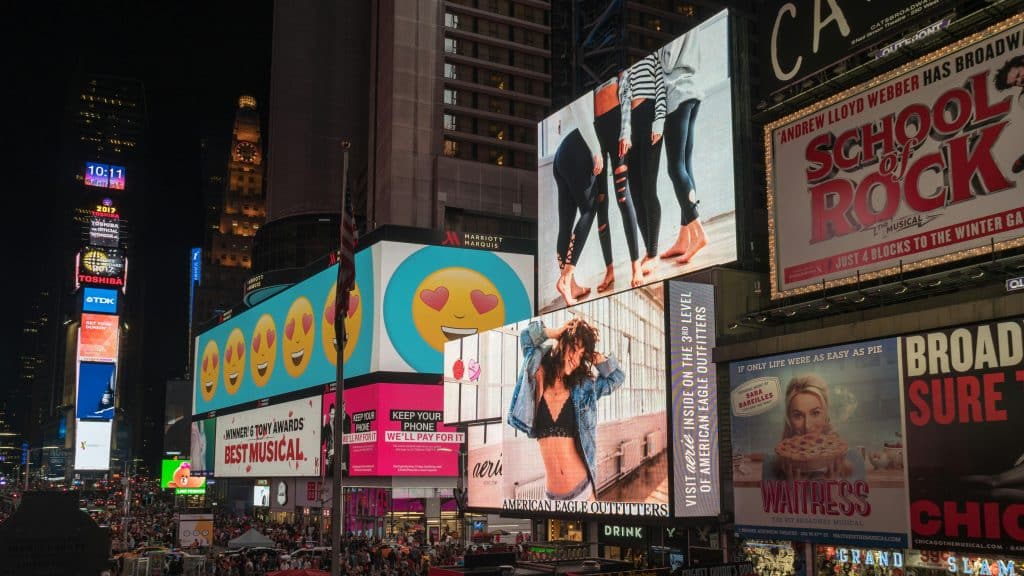
This often one-dimensional portrayal isn’t confined to TV and movies. Advertising plays its part, too; whether it’s a commercial selling perfume, a music video, or a billboard ad, Latinas are typically presented as exotic, seductive, and fiery. The common imagery includes animal prints, bold colors, heavy makeup, and body language that screams sensuality. It’s a visual shorthand that tells the viewer: this woman exists to entertain, to tempt, to spice things up.
From Screen to Real Life: The Mental and Emotional Toll

When society continuously feeds you the same narrative about who you’re supposed to be, it begins to shape how you see yourself. Many Latina women grow up feeling the pressure to perform a version of themselves that matches the stereotype. There’s also the fear of being misunderstood. Many Latinas find themselves constantly walking a fine line; afraid to speak up at work because they’ll be labeled “aggressive,” hesitant to express frustration because it’ll be chalked up to being “fiery,” and weary of showing confidence because it might be sexualized.
The Stereotype Threat

This constant monitoring of one’s behavior, known as stereotype threat, causes stress, self-doubt, and a sense of disconnection from one’s own identity. Research backs this up. Studies have found that women who internalize ethnic stereotypes are more likely to experience anxiety, depression, body image issues, and impaired self-worth. The stereotype might be loud and flashy, but its impact is quiet and devastating.
The Fetishization Factor

The damage doesn’t stop at self-perception. The “spicy Latina” stereotype also feeds into the way others perceive and interact with Latina women, particularly in romantic and sexual contexts. Many Latinas report being approached by men with thinly veiled fantasies rooted in media tropes. Instead of being seen as individuals with unique personalities and desires, they’re treated like experiences, like dating a Latina is something to check off a bucket list.
The Harm of Fetishization

Fetishization isn’t harmless. It reduces a woman to an object, a performance, or a prop in someone else’s story. It flattens identity into spectacle and silences the complexity of culture, heritage, and personality. Worse, it feeds into a culture that justifies harassment. When Latinas are painted as inherently sexual and dramatic, there’s a tendency to blame them for the inappropriate behavior they receive. It becomes easier for others to dismiss their experiences, question their credibility, or suggest they were “asking for it.”
Why This Matters and What Needs to Change

This issue isn’t just about representation on screen. It’s about how those portrayals of Latina women influence public perception and affect real people’s lives. When one image dominates, it crowds out the nuance. And when people are constantly boxed into stereotypes, it becomes harder for them to be seen and treated as their full selves. This is why more diversity behind the camera is so needed. The industry needs more Latina writers, producers, and directors who can tell honest, multifaceted stories that don’t rely on outdated tropes or stereotypes. Latina audiences need characters who are allowed to be messy, quiet, ambitious, awkward, and real. Audiences also need to question the media they consume. Who gets to be the hero? Who gets complexity? And who’s stuck playing the same old caricature? When people challenge what they see and make conscious choices about what they engage with, they’re exercising their power to make an impact, even if it’s just in their immediate circle.
More Listening, Less Pigeonholing

And finally, society and the entertainment industry need to listen to Latinas. When they say they’re tired of being called “fiery” or “exotic,” believe them. When they share how the stereotype has shaped their lives, don’t brush it off. This isn’t just about correcting a cultural narrative; it’s also about giving women the freedom to exist outside of someone else’s fantasy. The “spicy Latina” stereotype might seem cheeky or harmless, but its ripple effects are serious. It distorts how Latina women are seen, limits how they’re treated, and turns complex human beings into characters, and characters into clichés. It might be time for the industry and society at large to retire the spice and start making space for more nuance.
Author