
You Thought These 6 Habits Were Eco-Friendly, But They’re Not
With the realities of climate change closely felt around the U.S. and the world, more and more people are doing their best to make eco-friendly choices in their daily lives. But some habits that seem sustainable on the surface can have hidden environmental downsides. Here are 6 common habits that are widely believed to be sustainable, but aren’t as green as you think:
Recycling Without Proper Sorting
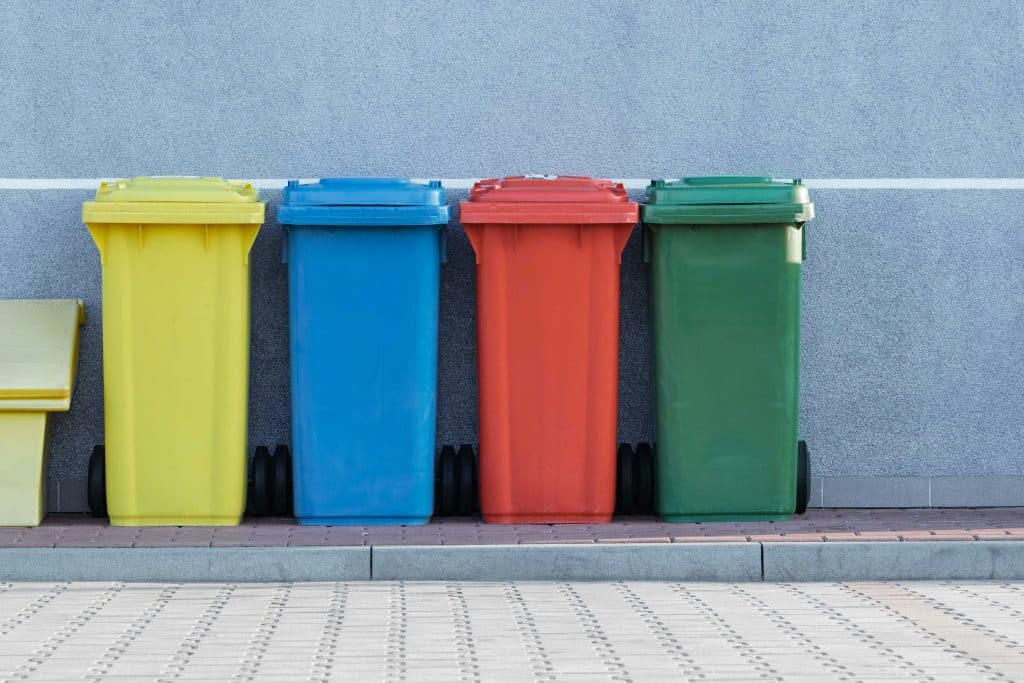
Take recycling, for example. It’s one of the most widespread sustainability habits, but it’s not foolproof. Many people toss items into the recycling bin without cleaning them, or they include things that aren’t actually recyclable, like greasy pizza boxes or plastic bags. These mistakes can contaminate entire batches, causing them to be rejected and sent straight to landfills. Even when recycling is done correctly, it still requires substantial amounts of water and energy, and the market for recyclable materials is unstable. So, yes, recycling is important, but it needs to be done right, and reducing waste in the first place can be more impactful.
Buying Organic Food Without Considering Its Source

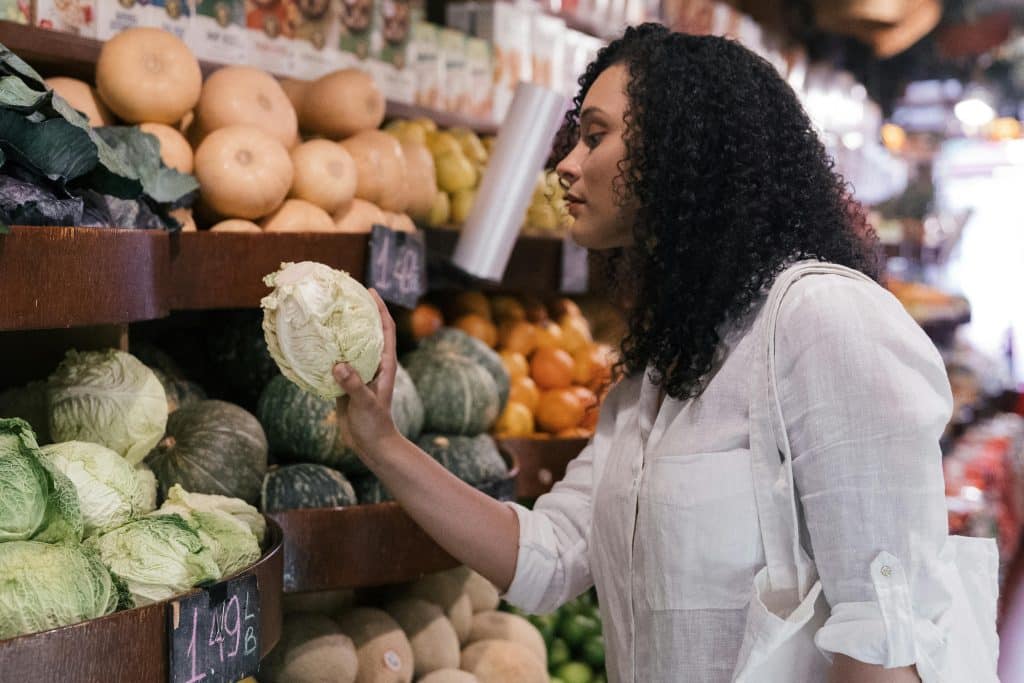
Another common assumption is that organic food is always the better environmental choice. While organic farming avoids synthetic chemicals, it often requires more land and water than conventional agriculture. And if that organic apple traveled thousands of miles to get to your local store, its transportation emissions may outweigh its farming benefits. The takeaway is that the sustainability of organic food depends on farming practices, transportation, and packaging, so buying local and seasonal produce can be more eco-friendly.
Using Reusable Shopping Bags, But Not Enough
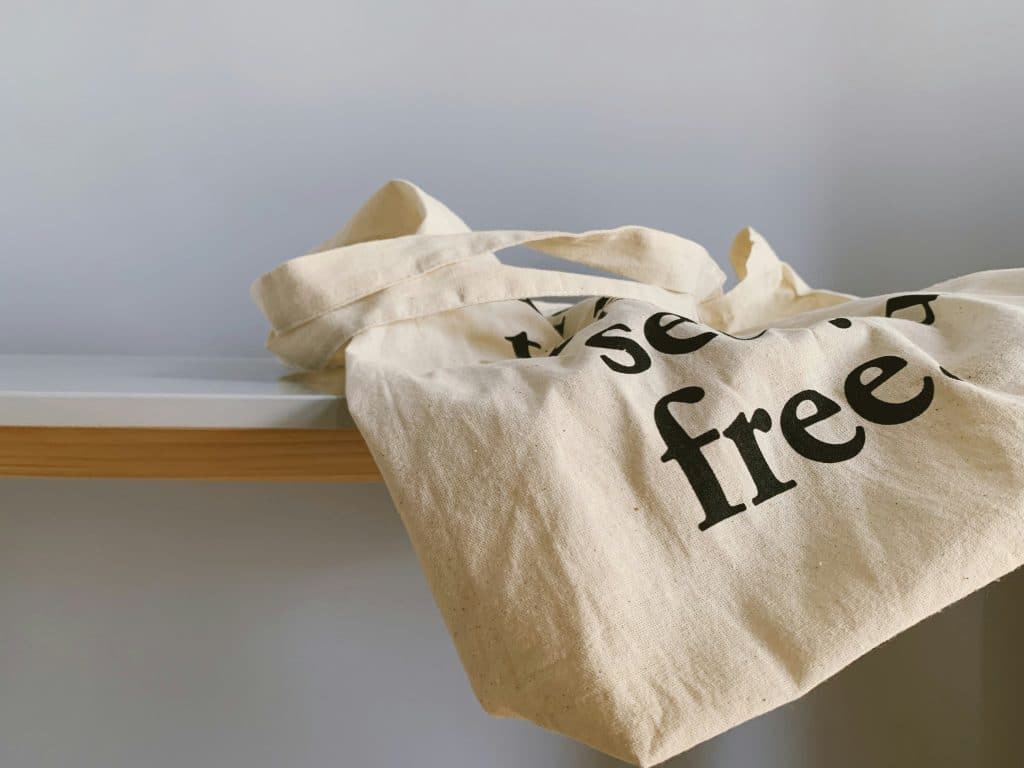
Reusable shopping bags are another go-to eco tool that comes with a surprising catch. A single cotton tote bag or thick reusable plastic bag takes significantly more resources to produce than a disposable plastic one. For example, the carbon footprint of a single cotton tote bag is 272 kg of CO₂, while a single disposable plastic bag produces 0.0016 kg of CO₂. To make up for the bigger footprint, a cotton tote bag has to be reused dozens, if not hundreds, of times. Yet many households collect reusable bags by the dozen and rarely use them consistently. It’s not that reusable bags are bad; it’s that they’re only sustainable when used regularly and over a long period.
Replacing All Household Items With “Eco-Friendly” Alternatives

Swapping out all your existing products for new “sustainable” versions might seem responsible, but throwing away items you can still use creates unnecessary waste and increases demand for new resources. By contrast, a study has shown that “extending the average lifespan of consumer goods by 50% can reduce total emissions by 10% to 25%.” At the end of the day, the most sustainable thing you can do is to use what you already have for as long as possible before replacing it with a more eco-friendly alternative.
Blindly Trusting “Green” or “Eco-Friendly” Labels
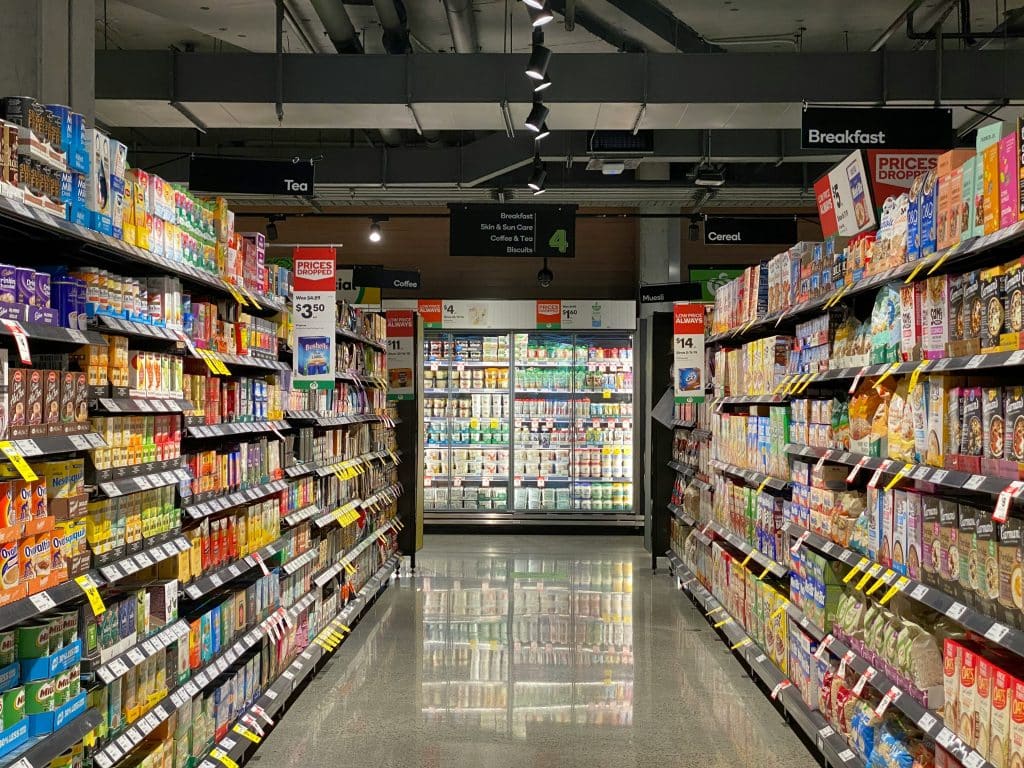
Not all products labeled as “eco-friendly,” “natural,” or “organic” are truly sustainable. Many companies use greenwashing, which is the practice of marketing products as green without meaningful environmental benefits. The best thing you can do to avoid falling into this deceptive marketing trap is to research the company’s practices or certifications to determine if the eco-friendly label has any truth to it. This is how you can make sure you support truly sustainable production methods and companies.
Recycling Plastic Without Considering Its Limitations
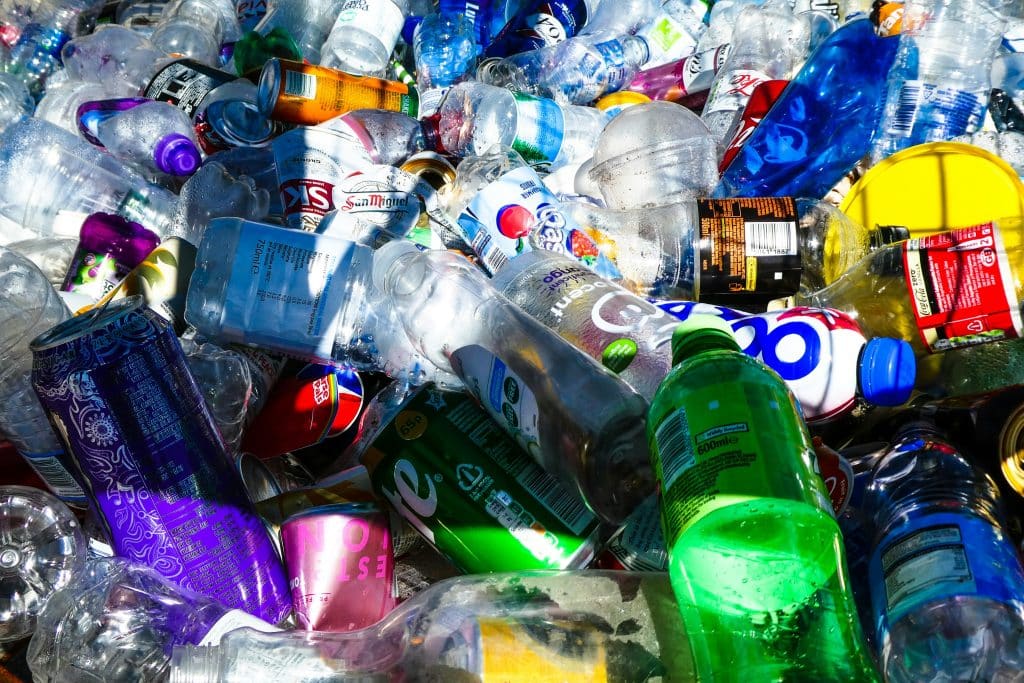
Finally, the common reliance on plastic recycling as a fix-all solution misses a deeper issue. While putting plastic in the recycling bin feels responsible, not all plastics are recyclable, and many of those that are can only be recycled a limited number of times before degrading in quality. A large portion of recycled plastic is shipped overseas, where it may be incinerated or dumped in landfills, negating the intended environmental benefit of recycling plastic. Instead of leaning on recycling alone, reducing plastic use overall by switching to refillable containers, bulk shopping, and reusable products can make a much bigger difference in the long run.
Author