
8 Everyday Foods Loaded With Sodium and How to Enjoy Them Healthily

Most of us know that too much sodium can raise blood pressure and increase the risk of heart disease and stroke. What might surprise you is that most sodium in the average diet doesn’t come from the salt shaker; it comes from everyday foods we eat without thinking twice. Here are 8 common staples that tend to be sodium-heavy and how to enjoy them without overdoing it.
1. Processed and Deli Meats
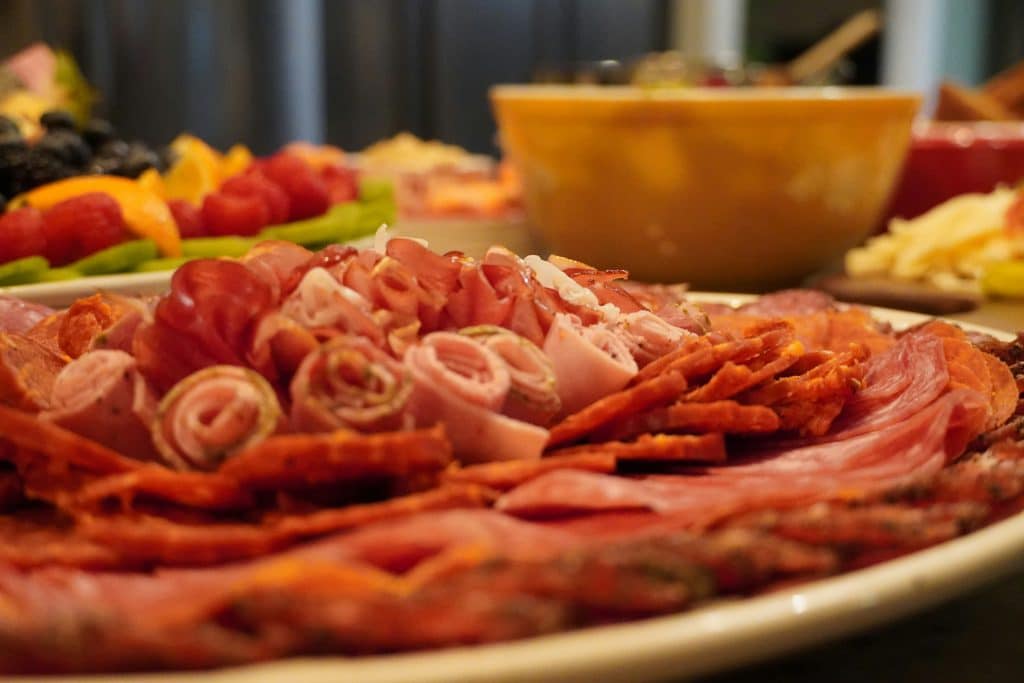
Ham, bacon, sausage, hot dogs, and deli slices are some of the saltiest items in the grocery store. Salt is added not only for flavor but also to preserve the meat and improve texture. A single serving can pack hundreds of milligrams of sodium, so it’s important to be aware of it. You can still enjoy these foods, just consider choosing low-sodium or “uncured” versions, limiting portion sizes, and balancing them with fresh vegetables or whole grains. Using deli meat as a flavor accent rather than the main event can also help you enjoy them without worrying about the excess sodium.
2. Canned Soups and Broths
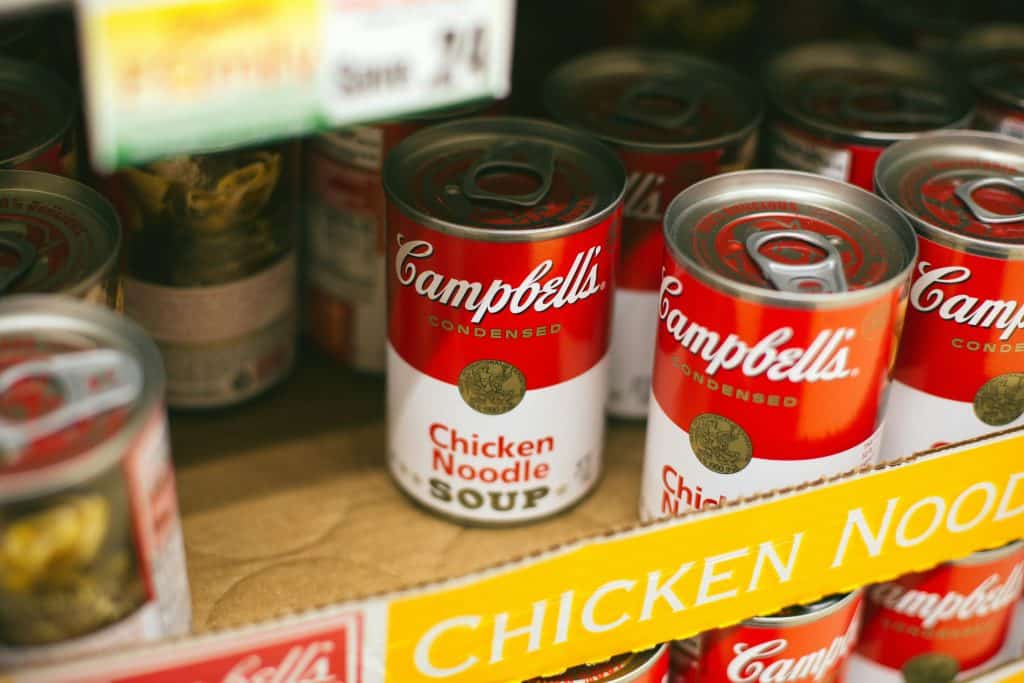
Soups and broths are convenient, but they often hide massive amounts of sodium. Even a “healthy” canned soup can provide more than half your daily recommended intake in one serving. To balance things out, look for “low-sodium” or “no salt added” labels, or dilute canned soups with water or fresh vegetables. Making your own broth or soup at home where you control the seasoning is also an option if you have the time.
3. Bread and Baked Goods
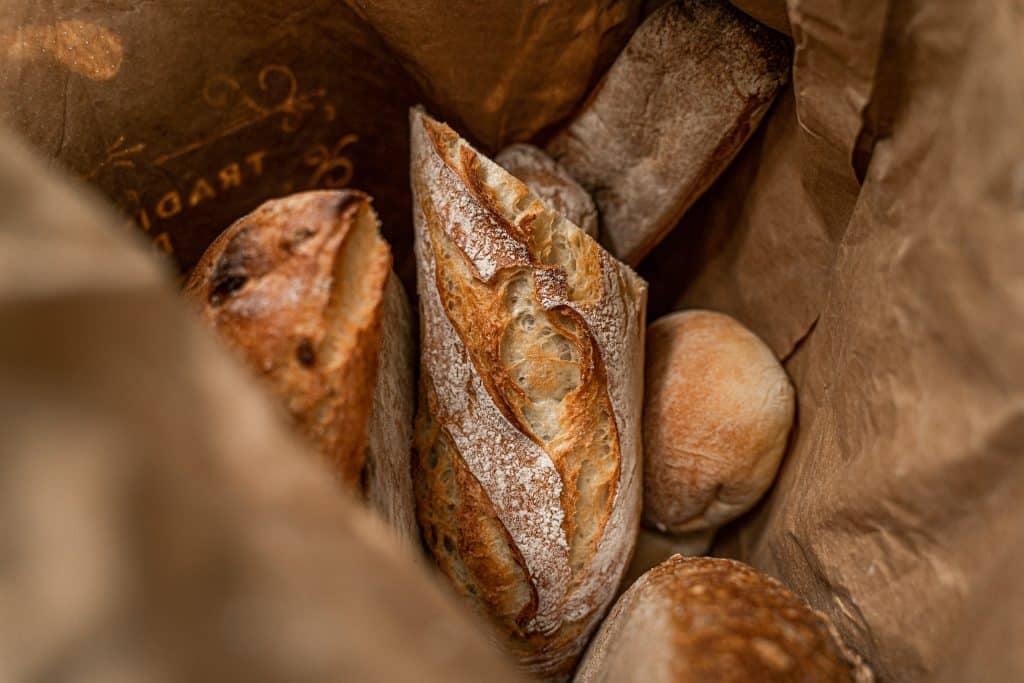
Bread doesn’t taste particularly salty, but because it’s eaten in large amounts, it can be a major contributor to daily sodium intake. A single slice may contain 150 to 200 milligrams, and most people don’t stop at just one. Consider choosing whole-grain breads labeled as “low sodium” and be mindful of how many slices you eat in a day. Pair bread with fresh toppings instead of processed spreads to keep the total sodium down.
4. Cheese and Cheese Spreads
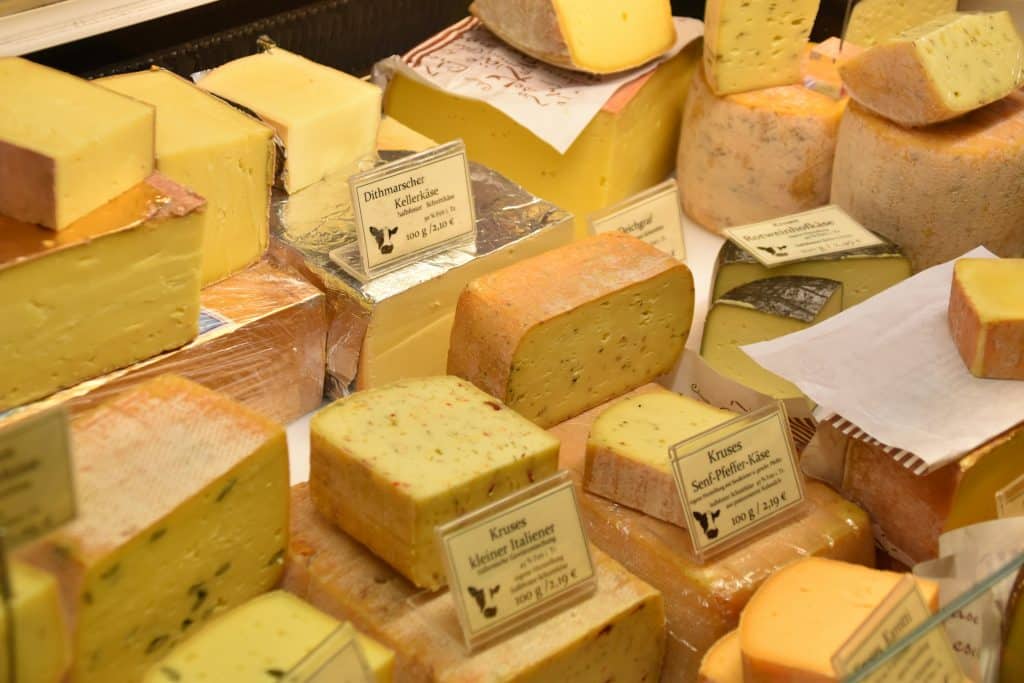
Cheese is naturally salty because of the way it’s made and preserved. Processed cheeses and spreads are even worse, with high levels of added sodium for extra flavor and shelf stability. One healthy way to enjoy cheese is to stick to small portions, opt for reduced-sodium varieties when available, and use cheese as a garnish instead of the star ingredient. Pairing it with fresh fruit or vegetables can also help balance things out.
5. Condiments and Sauces
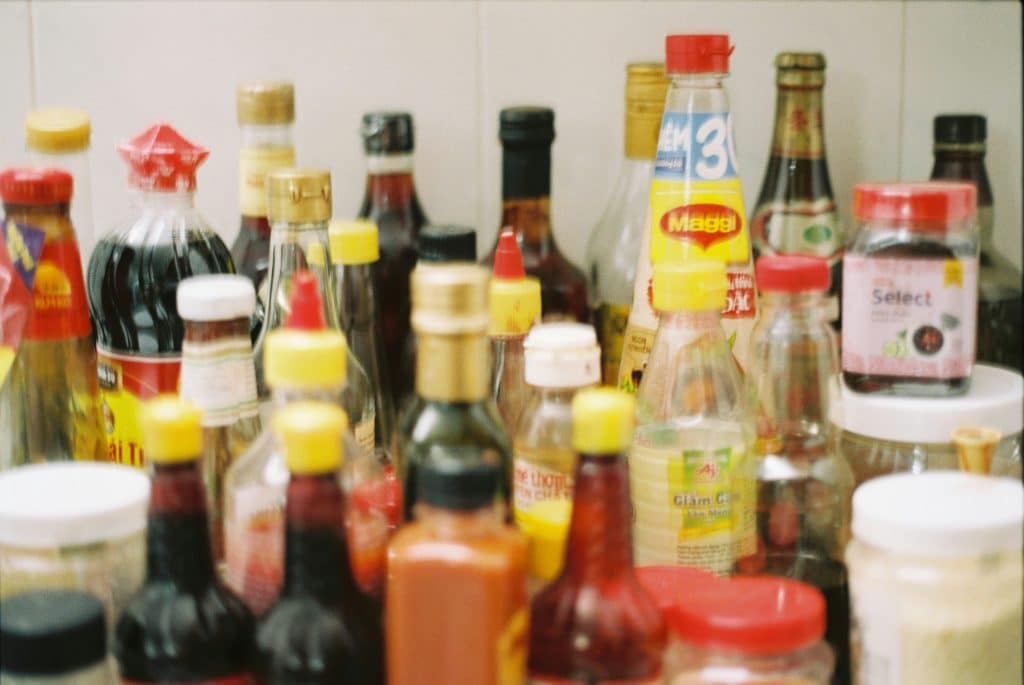
Ketchup, soy sauce, salad dressings, barbecue sauce, and even salsa can load a meal with sodium before you realize it. Soy sauce, for example, contains about 900 milligrams per tablespoon. Knowing this, consider using smaller amounts of condiments and sauces, choosing “reduced sodium” versions, or swapping in vinegar, lemon juice, or fresh herbs for flavor. When dining out, ask for dressings and sauces on the side so you can control how much goes on your plate.
6. Canned Vegetables and Pickled Foods
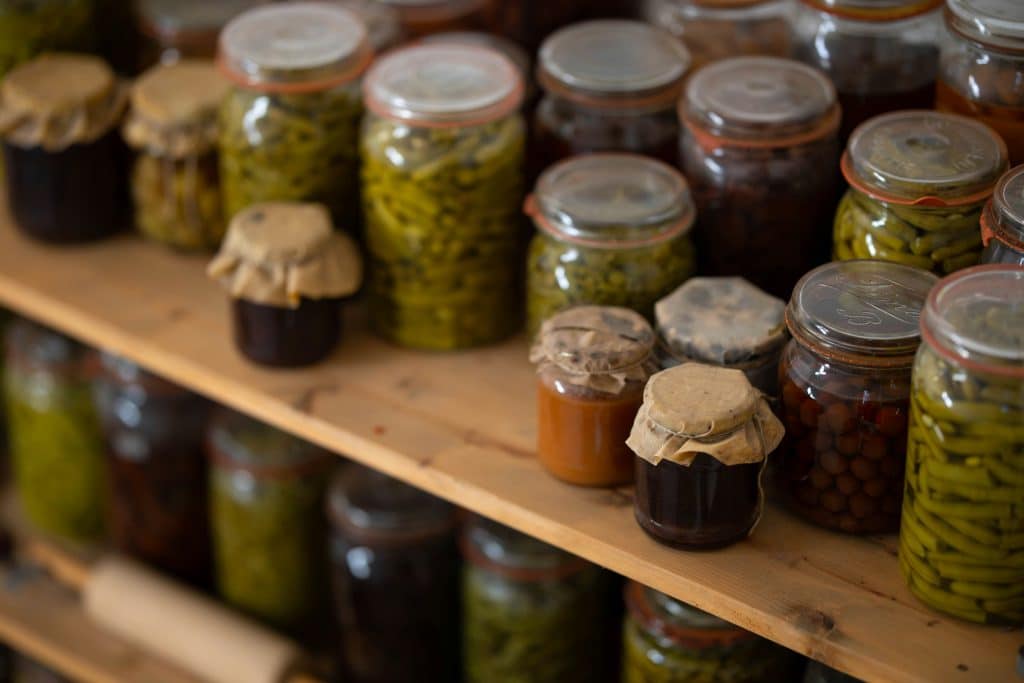
Canned vegetables, pickles, and olives are preserved in salty brines, making them much higher in sodium than their fresh counterparts. Looking for “no salt added” canned vegetables, rinsing canned beans or veggies before using, and enjoying pickled foods in moderation are easy ways to keep things in check. Also, balance them with fresh produce to keep meals nutrient-rich.
7. Frozen and Packaged Meals
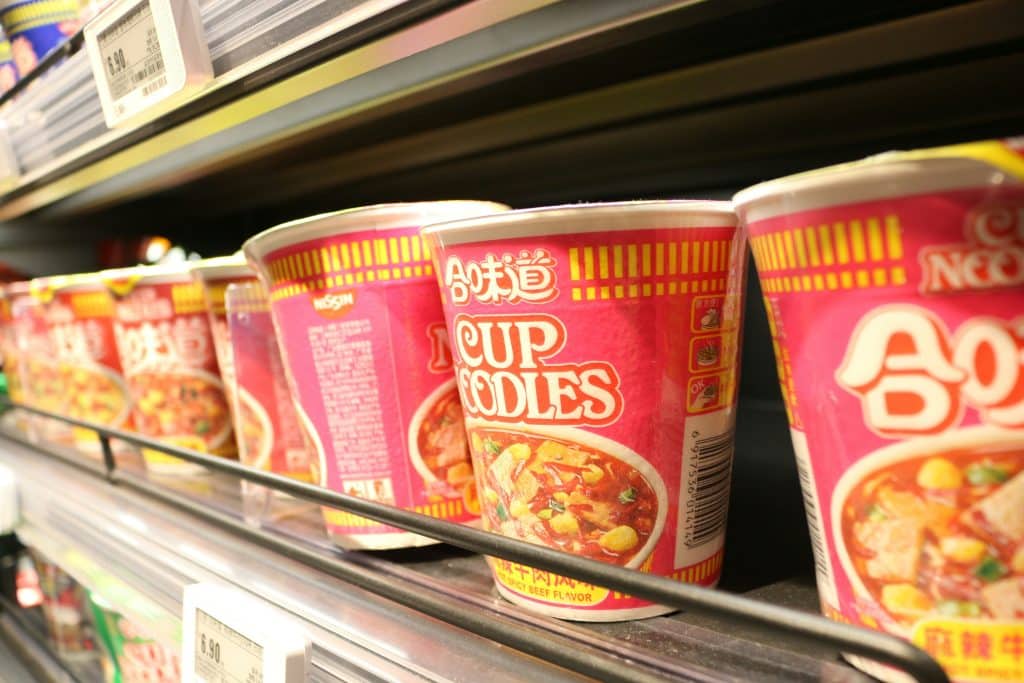
Frozen dinners, instant noodles, and ready-to-eat meals are notorious for their sky-high sodium levels, which enhance flavor and extend shelf life. Some of them contain over 1,000 milligrams in a single serving. Consider saving frozen and packaged meals for emergencies or a treat every once in a while if you enjoy them a lot rather than using them as everyday staples. Whenever possible, compare labels to find lower-sodium options of your favorites and add salads or protein to help balance the meal.
8. Pizza and Pasta Dishes
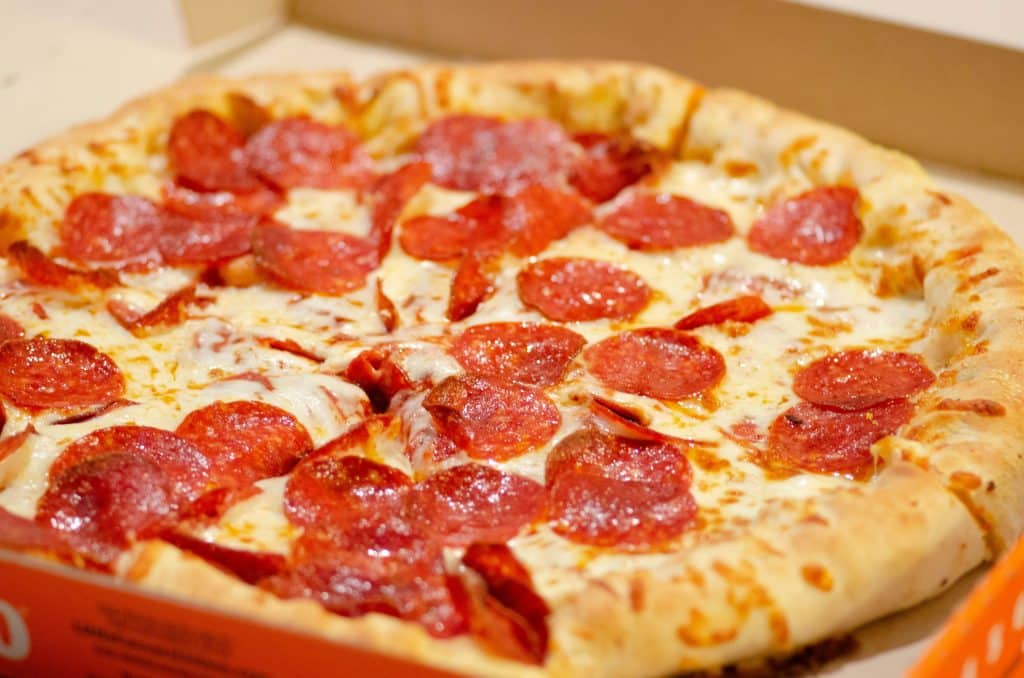
Pizza and pasta bring together multiple sodium sources, including cheese, tomato sauce, cured meats, and dough. A single slice of pizza can have 500 to 700 milligrams of sodium or more, depending on the toppings. This doesn’t mean you should stop enjoying pizza every once in a while, but if it’s a favorite, consider making pizza at home where you can control the ingredients. Use fresh dough, low-sodium sauce and lighter cheese. You can even make a big batch of them and froze them for easy go-to meals. When it comes to pasta, switch to homemade or reduced-salt sauces and add fresh vegetables to it.
The Bottom Line
You don’t need to cut out these foods entirely, but it’s important to practice moderation and smart swaps like choosing low-sodium options, cooking more meals at home, and balancing higher-sodium foods with plenty of fresh produce. By making small changes, you can protect your heart and still enjoy the foods you love.
Author