
What You Need to Know About Immigration Enforcement in 2025 (So Far)

Immigration enforcement in 2025 has intensified dramatically in the United States under President-Elect Donald Trump’s second term. With record-breaking arrests, expanded federal operations, and increasingly aggressive tactics, Immigration and Customs Enforcement (ICE) has ramped up nationwide activity to levels not seen in years, and that has sparked outrage across the country. Here’s a breakdown of what’s happening, who’s being targeted, and why it matters:
ICE Arrests Have Surged to Record Highs

So far in 2025, ICE has arrested more than 100,000 individuals, with projections pointing to as many as 260,000 arrests by the end of the year, which is more than double last year’s total. In comparison, according to Statista, there were 113,000 arrests in 2024 and 170,000 arrests in 2023. The largest single-day operation occurred on June 3, 2025, when ICE arrested 2,200 people, marking the most arrests ever made in a 24-hour period by the agency. February 2025 alone saw 20,000 arrests, twice the monthly average from the previous year.
“Operation At Large” Is the Biggest Immigration Crackdown Yet
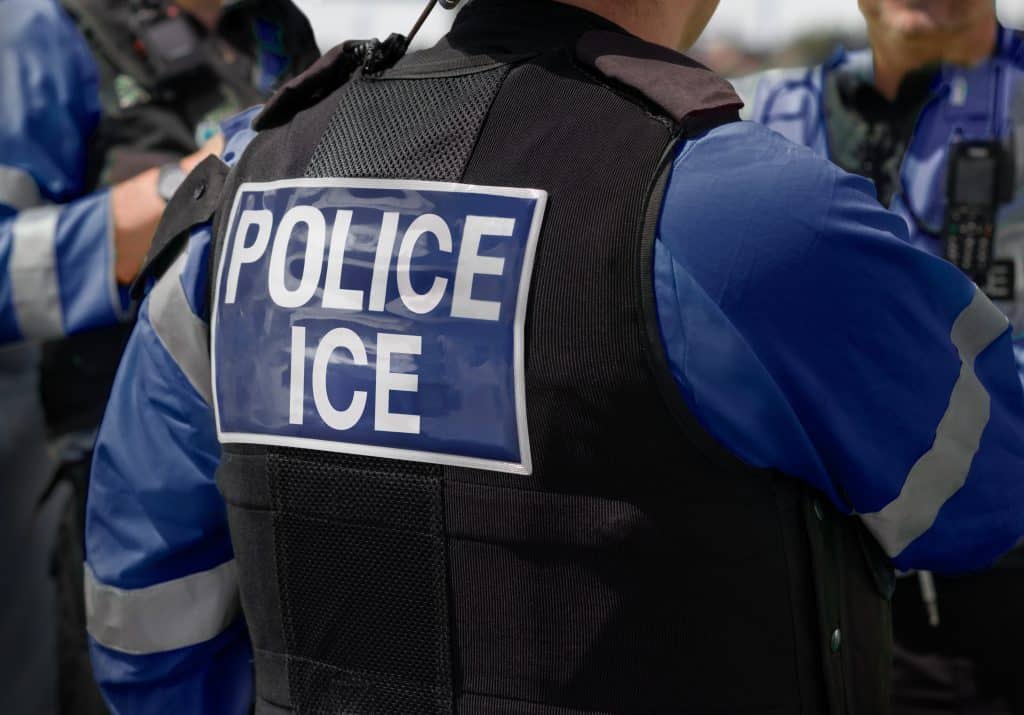
The centerpiece of the 2025 immigration raids surge is Operation At Large, the most expansive immigration enforcement campaign of the current administration. Over 5,000 federal personnel are involved, including 3,000 ICE agents, 1,800 agents from Homeland Security Investigations (HSI), and additional support from the FBI, DEA, U.S. Marshals, and even the IRS. The operation has been compared in scale and coordination to national counterterrorism efforts, reflecting a strategic shift toward large, sweeping enforcement actions.
Military-Style Tactics Are Now Common

In cities like Los Angeles, ICE has employed military-style raids, including armored vehicles and drones for surveillance, heavily armed agents sealing off entire city blocks, and the use of riot control tactics during protests. Observers, including local officials and civil rights organizations, have described these tactics as excessive and more typical of counterterrorism or major drug enforcement operations than civil immigration actions.
Many Arrests Are for Civil, Not Criminal, Violations
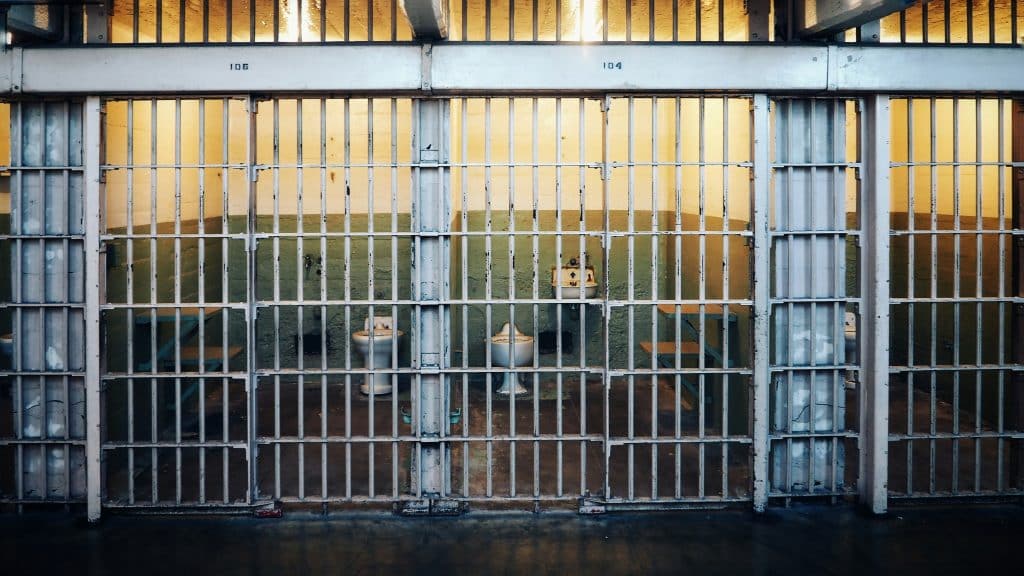
ICE continues to arrest individuals with serious criminal records, but a significant number of detainees have no criminal history beyond civil immigration violations. NBC News reported that in February 2025, 41% of new ICE detainees had no criminal convictions or pending charges. The number of such detainees increased by more than 1,800 in just two weeks, and the share of non-criminal detainees has grown under the Trump administration’s enforcement surge. These administrative arrests can still result in detention and deportation, multi-year bans on re-entry, and denial of future visa or asylum applications.
Detained Immigrants Are Sent Abroad Without Due Process

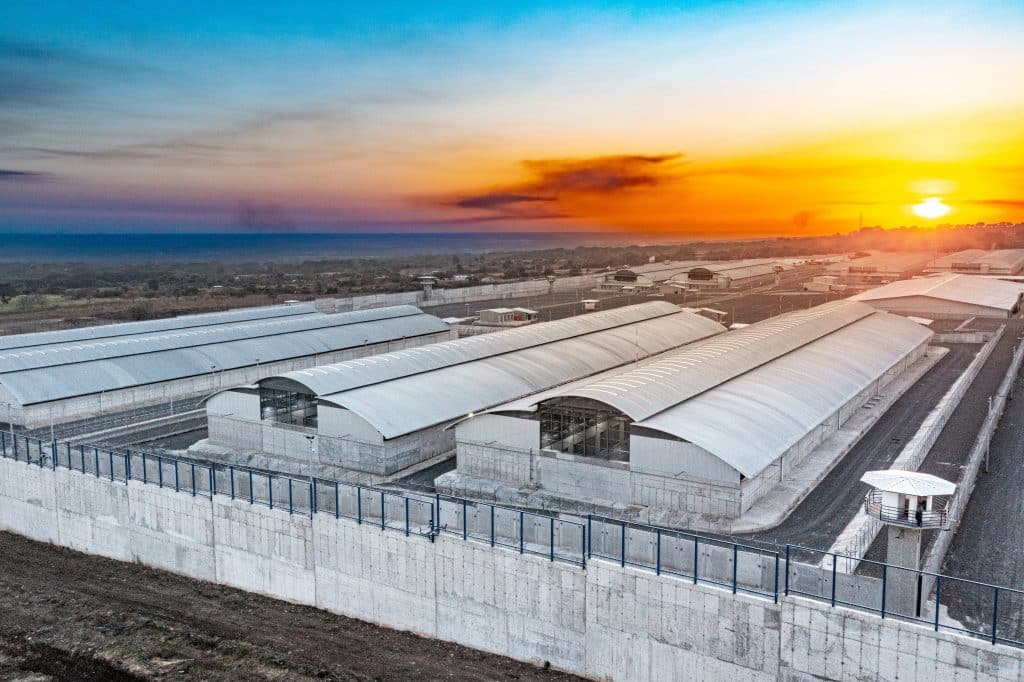
Under expanded executive authority, the Trump administration has used expedited removal and the Alien Enemies Act to deport immigrants to countries like El Salvador and Ecuador, where they are often confined in notorious prisons such as El Salvador’s CECOT mega-prison without due process. Charter flights carrying dozens or even hundreds of deportees, many with no criminal record, have become routine, with more than 1,900 Ecuadorians deported from the U.S. in the first three months of 2025 alone. Federal courts have intervened, ordering the administration to halt deportations that violate due process. In June 2025, a federal judge ruled that the government cannot send people to brutal foreign prisons without any due process, emphasizing that many of those confined in facilities like CECOT have no proven gang ties and were deported on dubious grounds.
Increase in Wrongful Immigrant Detentions and Mistaken Transfers
The intensification of immigration enforcement in 2025 has also led to a surge in wrongful detentions and egregious errors in the handling of immigrant detainees. For example, Kilmar Abrego Garcia, a lawful resident protected by a 2019 court ruling, was mistakenly deported to El Salvador in March 2025, despite ICE being aware of his legal protections. He was subsequently placed in CECOT, and his family was left without answers. Similar errors have resulted in other individuals being sent to El Salvador, often labeled as gang members based on superficial evidence such as tattoos. In May 2025, the Trump administration admitted to improperly deporting Jordin Melgar-Salmeron to El Salvador even after a federal appeals court had ordered the government to keep him in the United States. While there is no exact figure, reports from civil rights organizations, legal filings, and media investigations confirm that wrongful detentions and deportations have increased in 2025.
ICE Is Targeting Workplaces and Courthouses

ICE has stepped up operations at workplaces and courthouses. It launched a nationwide initiative to arrest migrants at immigration courthouses, often immediately after their hearings, even in cases where the proceedings were dismissed or the migrants had no criminal history beyond immigration violations. Courthouse arrests have been documented in at least 13 states and 19 cities, including New York, Miami, San Francisco, Sacramento, and San Antonio. ICE has also resumed and ramped up large-scale workplace raids, targeting industries with significant immigrant labor forces, such as clothing manufacturing, restaurants, and retail.
IRS Agents Are Aiding in Arrests

In a rare cross-agency effort, some IRS agents are using tax data to help track undocumented immigrants, “a drastic shift away from the IRS’s longstanding commitment to taxpayer privacy,” according to the National Immigration Forum. ICE has confirmed limited cooperation with the IRS for enforcement purposes, raising significant concerns about data privacy and due process, especially given that many immigrants voluntarily pay taxes using Individual Taxpayer Identification Numbers (ITINs).
Federal Priorities Have Shifted Toward Immigration Enforcement

The White House, led by immigration adviser Stephen Miller, has reportedly set quotas of 3,000 daily detentions, pressuring ICE field offices and threatening job consequences for missing targets. To meet this goal, personnel from agencies focused on national security and major criminal cases have been reassigned to immigration operations, prompting concern about neglect of other critical law enforcement duties. NBC News reported that members of other agencies are being detailed to assist ICE, while Justice Department personnel shift to immigration-focused teams and prioritize immigration-related cases, with law enforcement and military officials expressing worry about the impact on national security and other serious crimes.
The Impact on Immigrant Communities Runs Deep

Across the country, immigrant communities are experiencing widespread fear of leaving home, going to work, or attending school, reduced trust in local law enforcement, and mental health impacts on children and families living under constant threat. Local advocacy groups and faith-based organizations have ramped up efforts to provide “know your rights” trainings, rapid response hotlines, and emergency legal clinics. However, the scale of enforcement in 2025 has outpaced these resources in many cities. Legal aid organizations are overwhelmed, and many families are scrambling for answers about detained loved ones.
Author





.jpg)
.jpg)