
These 5 Latine Reads Will Stay With You Long After the Last Page
Guest literature contributor and book lover Ysabella Muñoz Osses curated a list of powerful reads by Latine authors that remind us that our stories are as fierce and enduring as we are.
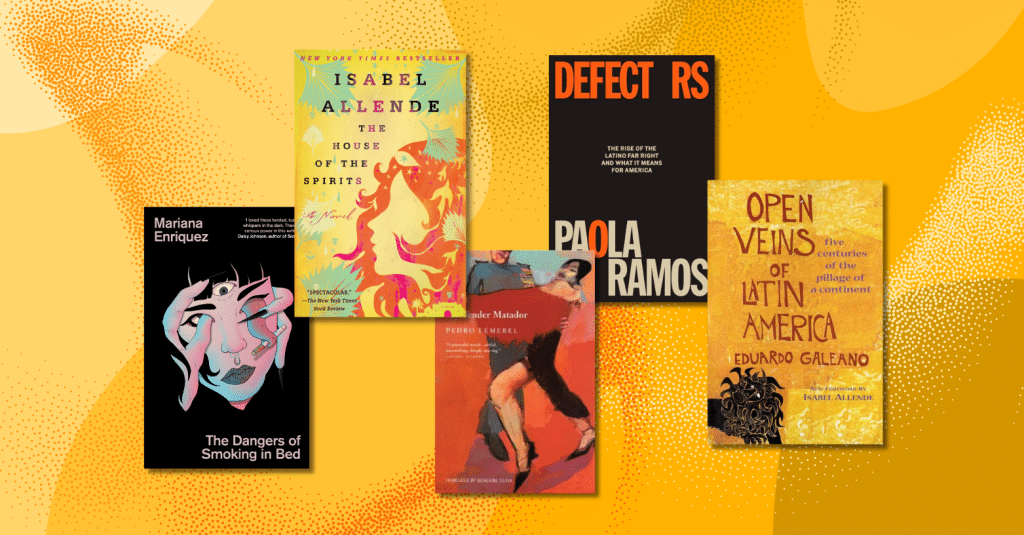
Latin America raised me on books: at the feria, walking and holding my abuela’s hand, and at my family’s dining table, covered with cafecito stains and ashtrays. Stories weren’t just entertainment; they were portals and bridges letting us inhabit other realities, other futures.
For Latinas, literature is more than pages: it’s survival, rebellion and joy all at once.
That’s why I curated this list for you, amiga. In these books, you’ll find histories of resistance, spirits whispering revolution, and voices daring us to imagine new worlds.
Don’t let these books be polite guests; allow them to rewrite you.
“My Tender Matador” by Pedro Lemebel
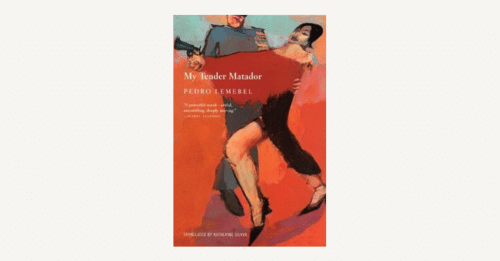
Set in 1980s Chile under Pinochet’s dictatorship, “My Tender Matador” tells the story of love in times of a right-wing military dictatorship. It follows a flamboyant drag queen known as the “Queen of the Corner” and her unlikely romance with a young revolutionary. Chilean writer, performer and activist Pedro Lemebel is known for his bold critique of authoritarianism and vivid depiction of Chilean pop culture from a queer perspective. In this book, he blends political upheaval with intimate tenderness, reminding readers that even in the darkest times, love refuses to disappear quietly. The story is a fierce, unapologetic celebration of queerness, resistance, and the small joys that sustain us when the world tries to erase us.
“The House of the Spirits” by Isabel Allende
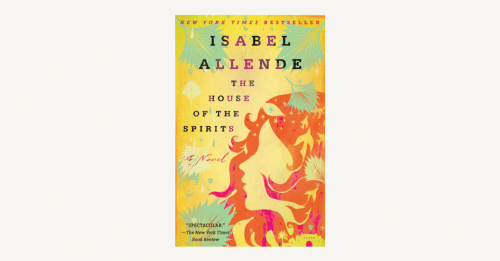
“The House of the Spirits” is practically a rite of passage in Latin American literature. Chilean-American Isabel Allende’s iconic debut novel spans generations of the Trueba family, combining magic, politics, womanhood, and memory into one unforgettable tapestry. This book gives us ghosts, magical realism, matriarchs who refuse to be silenced, and a history of Chile that mirrors the broader Latin American struggle. At its heart, it’s about resilience, legacy, and how the personal is always political. If you love novels that feel like both a history lesson and a family gathering full of chisme and secrets, this is the one to pick up. Allende isn’t one of the most successful contemporary novelists from Latin America for nothing.
“Defectors” by Paola Ramos
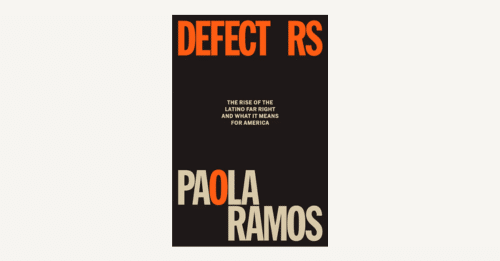
Emmy Award-winning journalist, author, and Latinx advocate of Cuban and Mexican descent Paola Ramos turns her sharp eye to a new phenomenon within U.S. politics: Latinos leaving behind the communities and movements that shaped them to align with forces that often work against them. “Defectors” is both an analysis of the growing far-right movement within segments of the Latino community in the U.S. and an urgent conversation about identity, loyalty, and the future of Latino power. Ramos dives deep into stories of people caught between ambition, assimilation, and betrayal, so this is a must-read if you want to understand why Latinos are moving to the far-right and what’s at stake when our communities are courted, divided, and sometimes abandoned.
“Open Veins of Latin America: Five Centuries of the Pillage of a Continent” by Eduardo Galeano
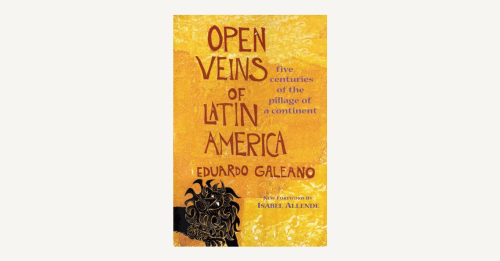
Uruguayan journalist, writer, and historian Eduardo Galeano, known as one of the literary giants of Latin America, lays bare the exploitation of Latin America, from colonization to modern-day imperialism, in prose so poetic it feels like a lament and a battle cry at once. Every page of “Open Veins of Latin America: Five Centuries of the Pillage of a Continent” reveals how wealth has flowed out of Latin American lands while leaving behind poverty, inequality and resilience. This book has been banned, praised, and carried like a manifesto by generations of Latinos, and reading it feels like waking up to a history that too many still try to bury. It’s the book to read to understand the looting of Latin America throughout history.
“The Dangers of Smoking in Bed” by Mariana Enríquez
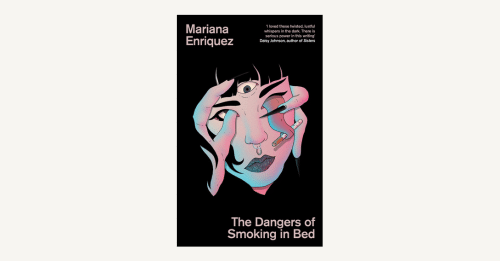
Last but not least, this is the book for you if you like your storytelling laced with shadows. Mariana Enríquez, Argentina’s queen of literary horror, offers a collection of short stories where everyday life collides with the macabre. Haunted dolls, restless ghosts, and cursed desires come alive in “The Dangers of Smoking in Bed,” making it impossible to put down. Under the horror, you’ll find a sharp critique of poverty, violence, and the fragile edges of society, so it’s not just chills. This is a compulsive, thought-provoking read, and it’s also creepy enough to make you want to look over your shoulder.
Author

Related Articles
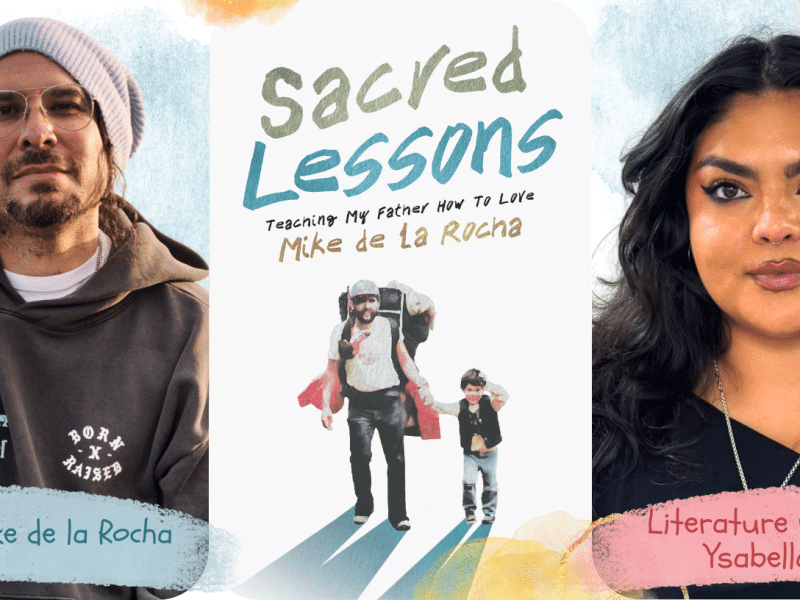
Change Is Not Punishment: What Sacred Lessons Teaches Men About Freedom
Men are taught to stay hard and unshaken, but what happens when the weight of that becomes too heavy to carry?
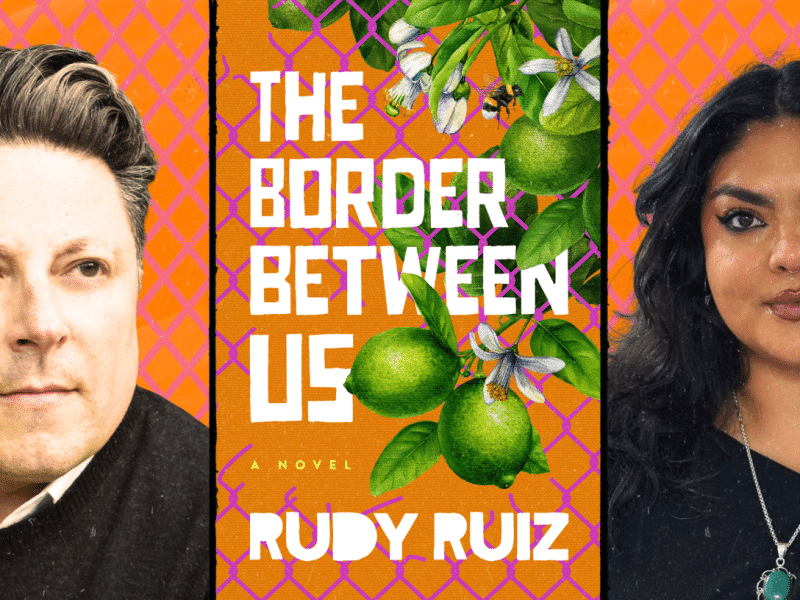
Can Walls Become Bridges? The Quiet Power of “The Border Between Us”
In this book review, Ysabella Osses dives into Rudy Ruiz’s latest work, “The Border Between Us,” a powerful novel that explores what it means to grow up caught between worlds.
“Real Women Have Curves” Is Closing on Broadway—Here’s Why You Need to See It
“Real Women Have Curves: The Musical” brought immigration, identity, and ambition to Broadway with a story that’s as timely as it is powerful.