
How to Support a Loved One Coming Out: 5 Tips for Allies

Coming out is one of the most personal, vulnerable steps someone can take. For LGBTQ+ people, sharing their identity with others can be both empowering and incredibly scary. Even if someone has spent years working toward self-acceptance, the act of saying “this is who I am” can feel daunting. Especially in communities like the Latino community, where internalized homophobia is an issue. As a friend, sibling, parent, or partner, your response can have a profound impact, not just in that moment, but in how your loved one sees themselves moving forward. Whether they’re just beginning to explore their identity or are already sure about who they are, your support matters. Here’s how to give it:
Listen Without Judgment

Sometimes, the most powerful thing you can do is simply listen. When a loved one comes out, they’re sharing something deeply personal, and they may be unsure of how you’ll respond. So let them speak freely without interrupting or asking invasive questions, and avoid rushing to label them or tell them what you think their journey means. Simply stay present with them in that moment and forget about having the right words to say. A simple “thank you for trusting me” or “I’m proud of you” can be incredibly affirming. Give them space to share as much or as little as they want, on their own terms, and show an open mind and heart.
Affirm Their Identity
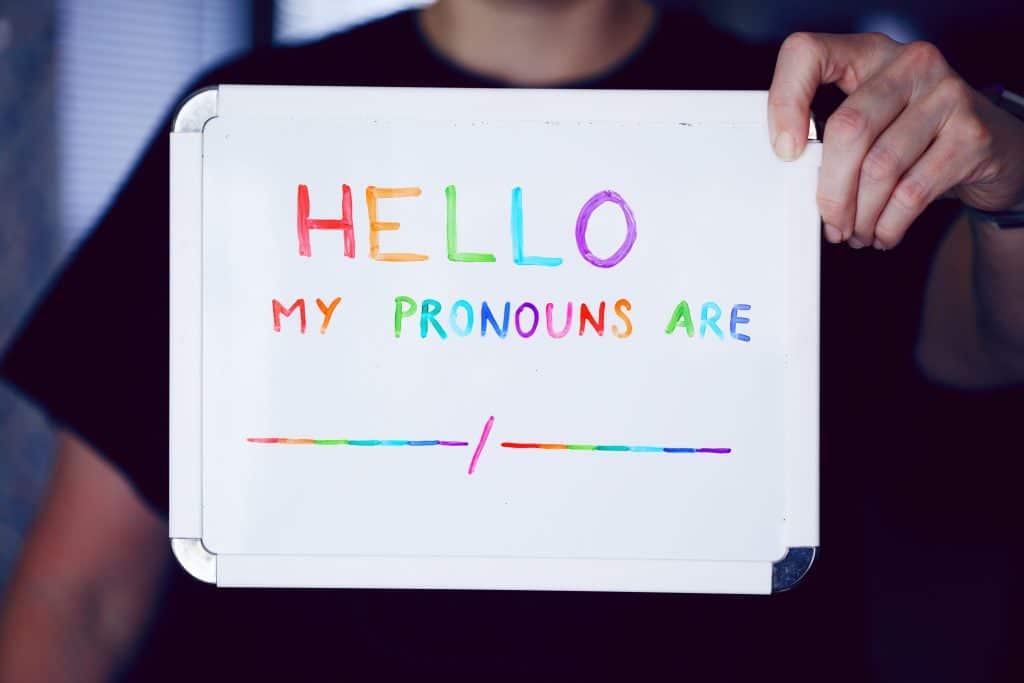
Affirmation means acknowledging and accepting someone’s identity exactly as it is, without minimizing, questioning, or trying to change it. If your loved one uses a new name or pronouns, make the effort to use them consistently. Respect how they describe their identity, even if it’s unfamiliar to you. You might not understand everything right away, but you don’t need to. This is their journey, and what matters most is that your loved one feels seen, respected, and supported. Find the best way to do that and remind them how much you love them, as they are.
Respect Their Privacy

Coming out is a process, not a one-time event. Just because someone came out to you doesn’t mean they’re ready for everyone to know. It’s always safe to never assume it’s your story to share. Ask for permission before discussing their identity with others, even mutual friends or family, and respect their decision. Some people come out gradually, while others may choose to stay private in certain spaces. Your role is to protect that process, so be respectful and mindful.
Take the Initiative to Learn More

Don’t rely on your loved one to educate you on LGBTQ+ issues. Instead, take some time to learn about the spectrum of identities, terminology, and the challenges LGBTQ+ people face. Countless books, podcasts, movies, articles, and organizations offer valuable insight to help you understand your loved one’s world and community. Doing your own research shows that you’re invested in supporting them, not just in words but in action. It also makes it easier to have informed, respectful conversations that don’t place the burden of explanation on them.
Stand Up and Stay Connected

Being a supportive ally means more than private acceptance; it also means showing up in public ways when it counts. If someone makes a homophobic or transphobic remark, speak up. Make your spaces inclusive, and advocate for LGBTQ+ rights in your community, school, or workplace. Just as importantly, don’t disappear after the coming out conversation. Keep texting. Keep inviting them out. Keep showing up. Maintaining the relationship helps your loved one feel reassured that who they are hasn’t changed how much they mean to you.
Author