
9 Historic LGBTQ+ Community Wins That Still Inspire Activism Today
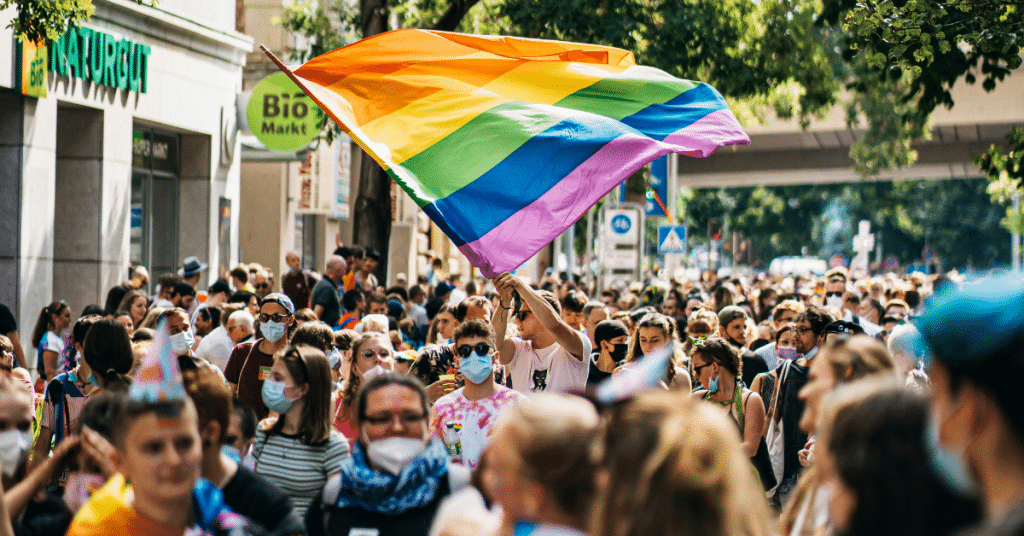
Pride Month is both a celebration of queerness and a tribute to the resilience, resistance, and hard-won triumphs of the LGBTQ+ community. Behind the parades and rainbow flags is a long and often dangerous road paved by activists, artists, and everyday people who demanded dignity and refused to be silenced. Knowing queer history is about understanding how we got here, why the fight is far from over, and why every effort is worth the sweat. Here are 10 landmark wins that helped shape the course of LGBTQ+ rights in the United States:
The Society for Human Rights (1924): The First Step Toward Visibility
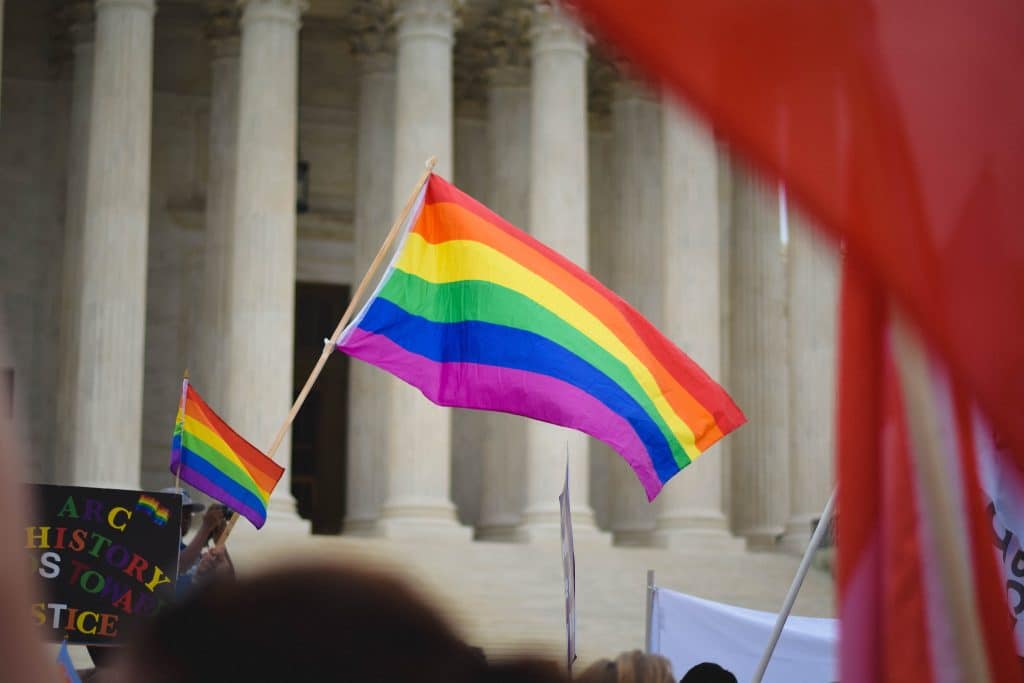
Long before Stonewall, a quiet revolution began in Chicago. In 1924, German immigrant Henry Gerber founded the Society for Human Rights, the first documented gay rights organization in the United States. Its mission was to promote and protect the interests of individuals facing discrimination due to their sexual orientation, primarily through education and advocacy. The group published Friendship and Freedom, America’s first known gay periodical. The Society was quickly shut down after police raids, but it laid the groundwork for a larger, more organized movement that would emerge decades later.
The Mattachine Society (1950): Organizing Against Silence
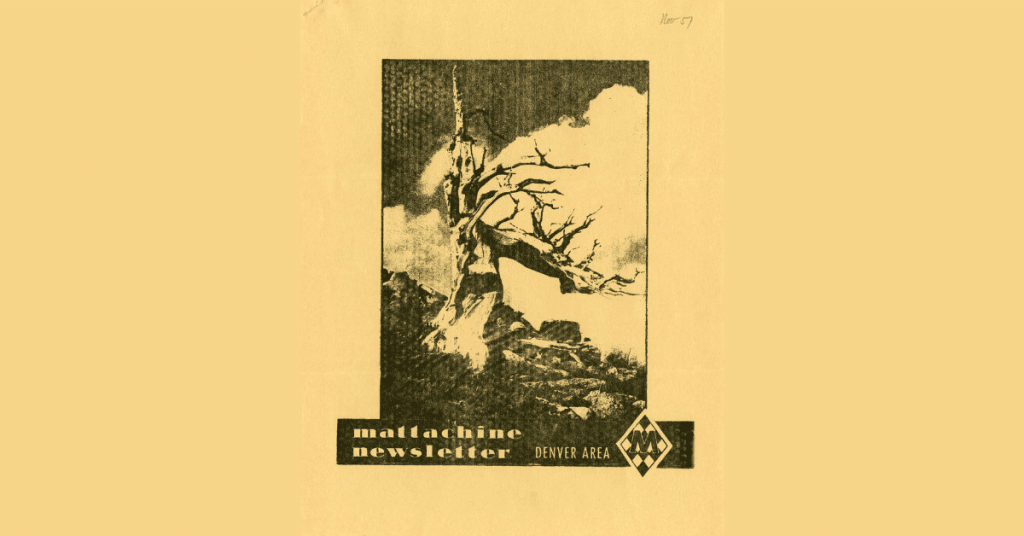
In the repressive political climate of the 1950s, the Mattachine Society dared to imagine a different future. Founded in Los Angeles by activist Harry Hay and others, it became one of the first sustained LGBTQ+ organizations in the country. At a time when homosexuality was criminalized and pathologized, the Society promoted the radical idea that gay people deserved equal rights and social acceptance. The Society organized discussion groups, published newsletters, and advocated for equal rights, helping to launch the broader homophile movement of the 1950s and 1960s.
One, Inc. v. Olesen (1958): A Victory for Free Speech
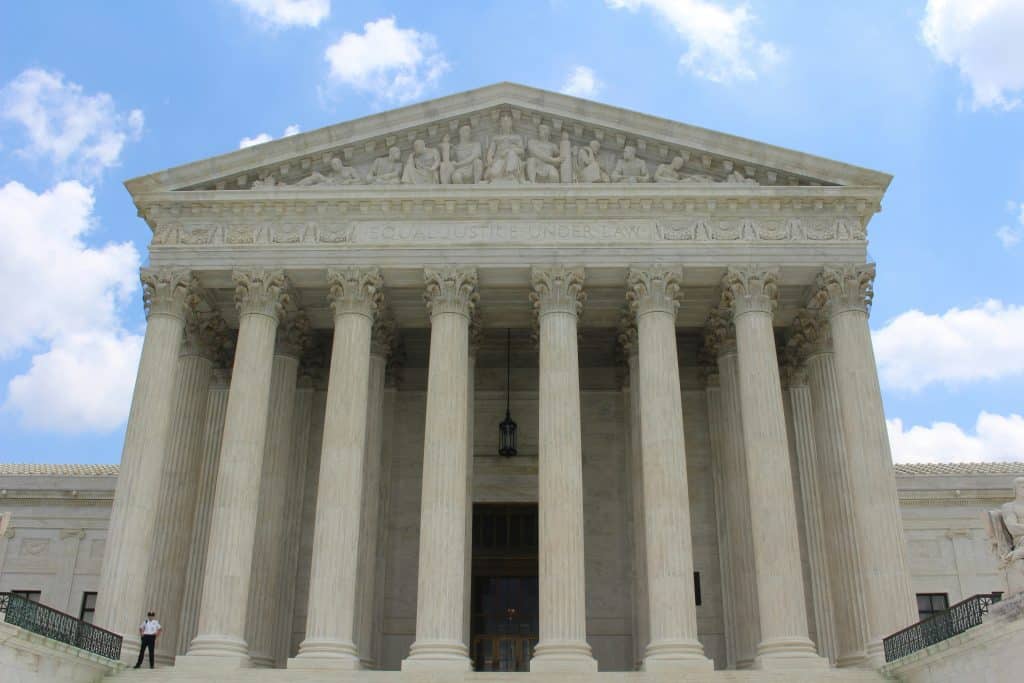
When the U.S. Post Office tried to block the distribution of “One: The Homosexual Magazine,” claiming it was “obscene,” the publishers took them to court. What followed was a groundbreaking Supreme Court decision. In One, Inc. v. Olesen, the Court reversed a lower court decision, ruling that pro-homosexual writing was not per se obscene and was protected by the First Amendment. This was the first Supreme Court decision to affirm constitutional protection for LGBTQ+ media, paving the way for future advocacy and visibility.
The Compton’s Cafeteria Riot (1966): Trans Women Fight Back
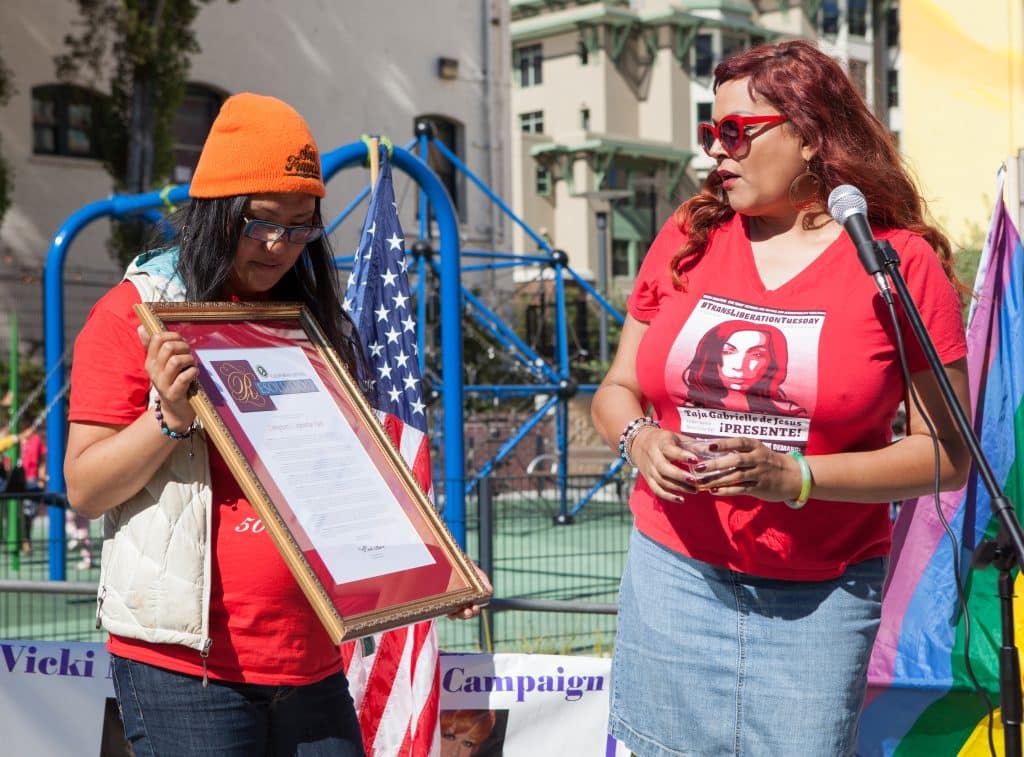
In August 1966, transgender women, drag queens, and queer youth in San Francisco’s Tenderloin district stood up to police harassment at Compton’s Cafeteria. When officers tried to arrest a trans woman for “cross-dressing,” the community protected her, leading to an uprising. Though it didn’t receive the same attention as Stonewall (which happened 3 years later), the Compton’s Cafeteria riot was a pivotal moment in transgender history, and it marked one of the first recorded instances of organized trans resistance in the United States.
The Stonewall Uprising (1969): The Birth of a Movement
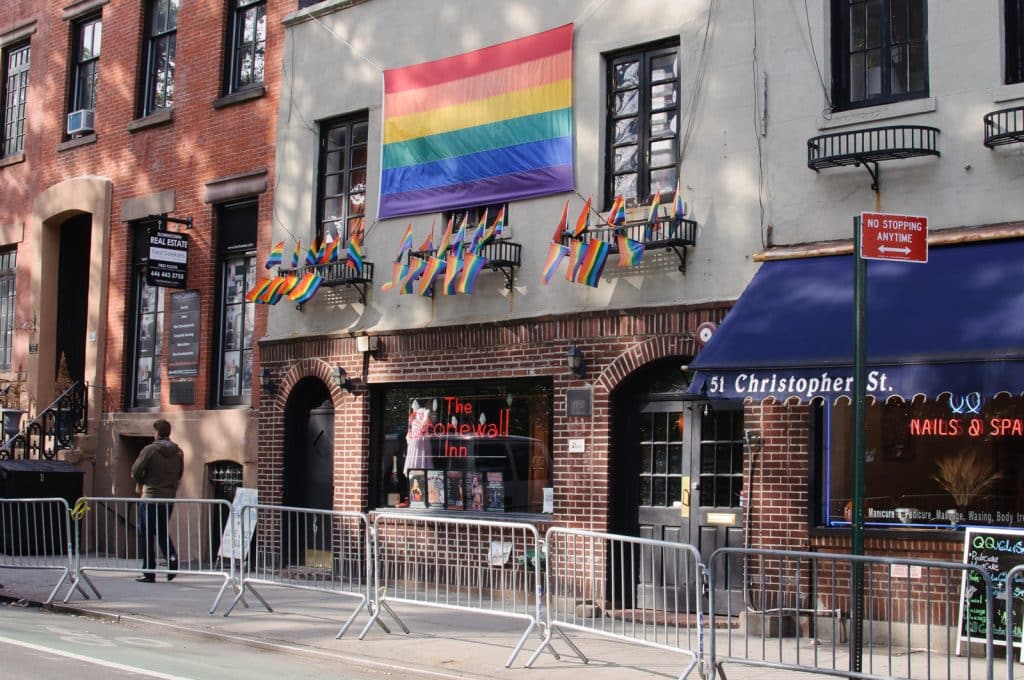
June 28, 1969, marked the turning point. When police raided the Stonewall Inn, a gay bar in New York’s Greenwich Village, patrons refused to go quietly. Led by trans women of color like Marsha P. Johnson and Sylvia Rivera, the community fought back. The protests lasted six days, igniting a national movement for LGBTQ+ rights. In the years that followed, Pride marches began to commemorate Stonewall, transforming grief and rage into a powerful annual ritual of visibility and defiance. Stonewall wasn’t the beginning of queer resistance, but it lit the flame that still burns today.
Homosexuality Removed from the DSM (1973): Science Steps Up

For much of the 20th century, being gay wasn’t just stigmatized, it was classified as a mental illness. That changed in 1973 when the American Psychiatric Association finally removed homosexuality from the Diagnostic and Statistical Manual of Mental Disorders (DSM). This decision was the result of years of activism, protest, and advocacy by queer professionals and allies who pushed back against the harmful pseudoscience that fueled discrimination. The change helped shift public perception and gave LGBTQ+ people a new language of self-acceptance.
Harvey Milk’s Election and Legacy (1977–1978): A Voice in City Hall
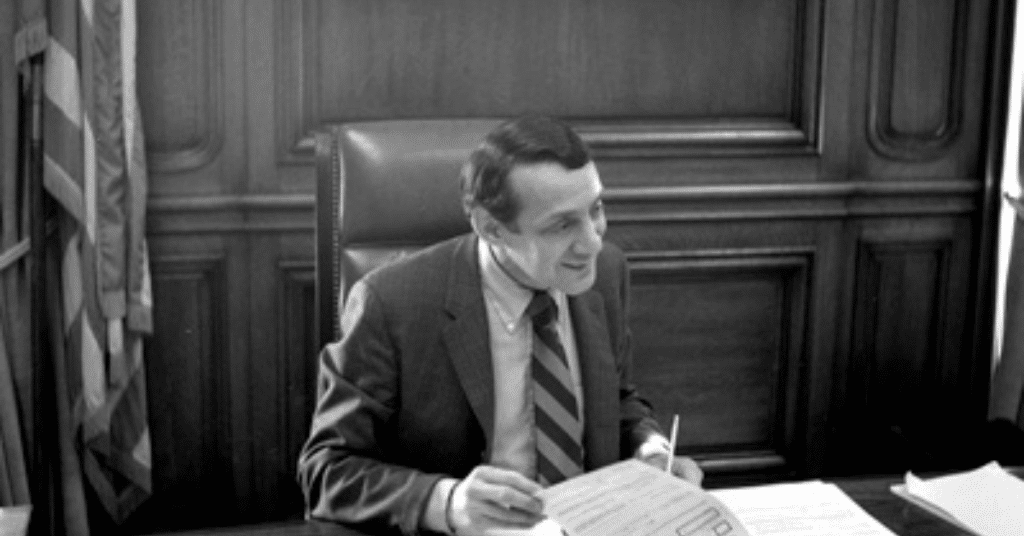
In 1977, San Francisco elected Harvey Milk to its Board of Supervisors, making him one of the first openly gay officials in U.S. history. A fierce advocate for LGBTQ+ rights, Milk championed anti-discrimination laws and mobilized queer political power. Just 11 months later, in 1978, he was assassinated along with Mayor George Moscone by a former city supervisor. Milk’s death was a devastating blow, but it galvanized a new wave of activism. His legacy endures as a symbol of courage and the urgent need for representation in public life.
The AIDS Memorial Quilt (1987): Mourning as Activism
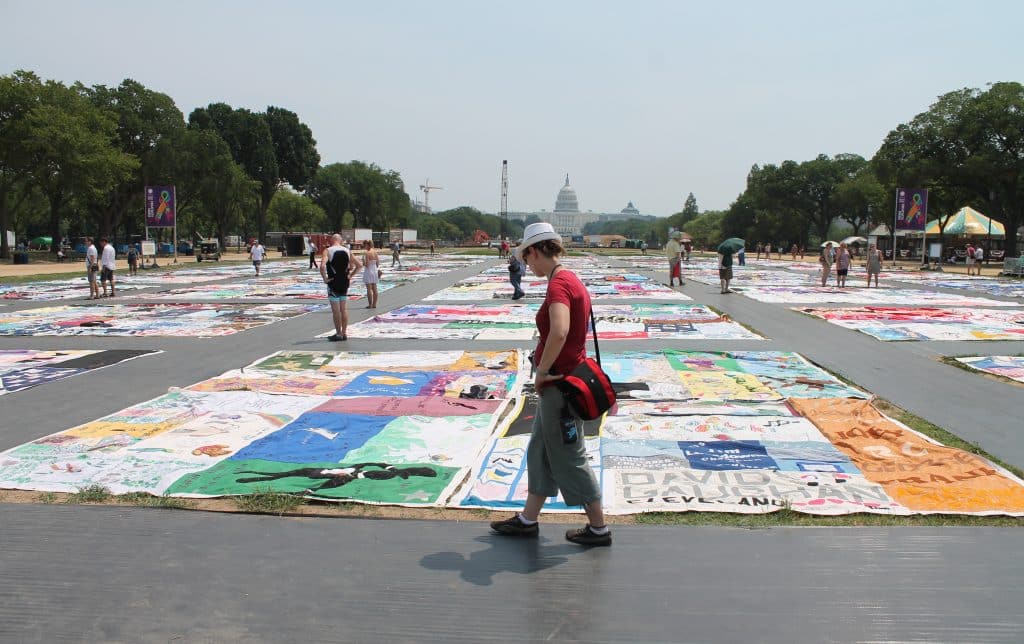
As the AIDS crisis devastated LGBTQ+ communities in the 1980s, silence from government officials and mainstream media cost lives. In response, activists created the AIDS Memorial Quilt in 1987, a massive, hand-sewn tribute to those lost. Unveiled on the National Mall in Washington, D.C., the quilt was created by the NAMES Project Foundation. It personalized the epidemic and demanded public attention and action. It remains one of the largest community art projects in the world, with more than 50,000 panels.
Marriage Equality Becomes Law (2015): Love Wins
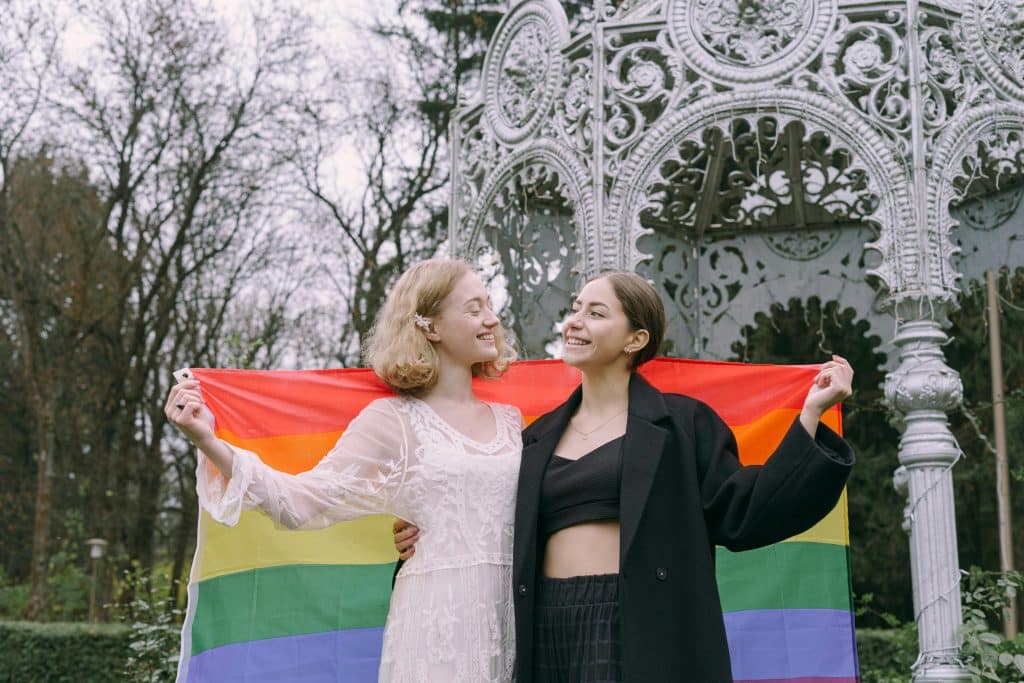
In a historic ruling, the U.S. Supreme Court declared in Obergefell v. Hodges that same-sex couples had a constitutional right to marry. The decision marked the end of decades of legal battles, protests, and public education. For millions of LGBTQ+ people, this victory was about dignity, security, and being recognized as fully equal under the law. When the decision was announced, people wept, cheered, and embraced in the streets. Love had finally won, but the work for full equality continues to this day.
The Struggle Continues, But So Does the Progress
These victories didn’t come easily. From free speech battles in the 1950s to the fight for marriage equality in the 2010s, LGBTQ+ people have continually reshaped the political and cultural landscape of the United States. And while progress continues through the repeal of “Don’t Ask, Don’t Tell,” the expansion of hate crime laws, and the official recognition of Pride Month, there’s still work to be done. Trans rights, healthcare access, and safety from discrimination remain at the forefront of today’s movement. To know queer history is to honor not just where we’ve been, but the future we’re building together.
Author




.jpg)

.jpg)


.jpg)