
Latinos Sacrificed for the U.S.: Where Are Their Stories on Memorial Day?
Every year, Memorial Day honors those who sacrificed their lives while serving the U.S.. But too often, Latino service members are left out of the story.

Memorial Day is a federal holiday intended to honor the lives that were lost in military service to the U.S.. Yet for many Latino families, the holiday can feel like a national ceremony that leaves them out of the story. Despite a long tradition of military service, Latinos are still fighting to be seen and have their sacrifices remembered. As of 2024, more than 1.5 million Latino veterans live in the United States, making up roughly 8.6% of the total veteran population. That number is steadily growing, and projections show it will rise in the years ahead. But while Latino service is increasing, public recognition of their ultimate sacrifice remains stagnant.
Latino Heroes Are Missing From the History Books

Latinos have served in every major U.S. war, from the Revolutionary War to WWI and WWII, to Iraq and Afghanistan, yet they’re nearly invisible in most educational materials and public memory. A 2023 study found that only 13% of essential topics about Latino contributions in U.S. history are covered in high school textbooks, often in just a few sentences. Take Ken Burns’ famed WWII documentary: it initially included zero Latino voices until public backlash forced a revision. This absence fuels a myth that the American military story is white and monolithic, ignoring the diverse reality behind the uniforms.
Latino Medal of Honor Recipients Are Forgotten
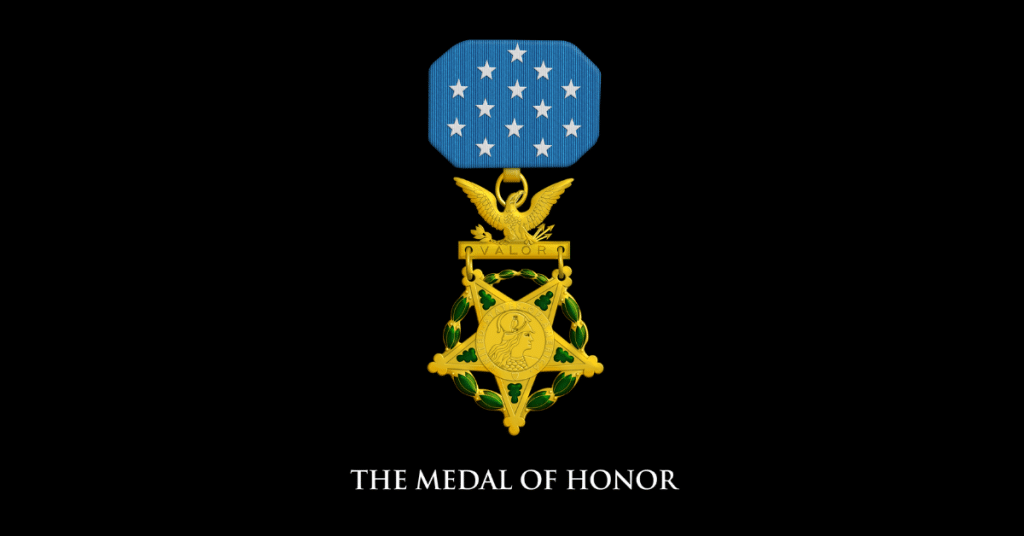
Around 60 Latinos have earned the Medal of Honor—the nation’s highest award for military valor—but how many of their names appear in classrooms, museums, or national media? Figures like Private Marcelino Serna, a World War I hero denied the Medal of Honor, with historical documentation and advocacy groups attributing this to his Mexican heritage and limited English proficiency. His case is frequently used as an example of the discrimination faced by Latino service members in the early 20th century, and without broader awareness, their stories risk fading further into obscurity.
Latino Casualties Are Underreported and Overlooked
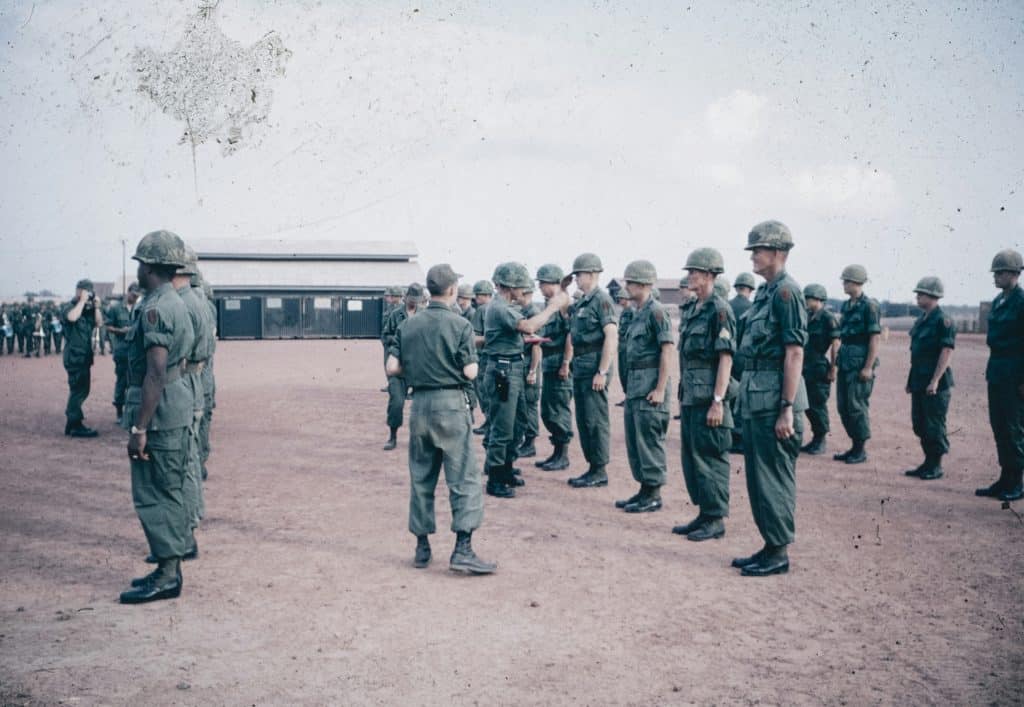
In Vietnam, Latinos were dubbed “the invisible force” because military records often failed to categorize them separately as Latinos, despite the fact that they accounted for a disproportionately high share of casualties. At one point, Latinos made up as much as 20% of Vietnam War casualties while representing just 10% of the U.S. population. Their loss was real, but their names are rarely mentioned during national remembrances.
Local Latino Memorials Are Ignored

Across the country, Latino communities have built their own spaces of remembrance, such as Chicago’s “Fallen Soldiers Corner,” which features a memorial and mural honoring 12 Mexican American veterans who died in Vietnam, the Manuel Pérez Jr. Memorial Plaza, named for a Latino Medal of Honor recipient, and Chicano Park in San Diego, where murals and sculptures commemorate Latino and Chicano history and contributions. These grassroots tributes hold deep meaning, especially in places where mainstream recognition is lacking. Yet they often go unacknowledged in national Memorial Day coverage, which tends to favor large-scale, predominantly white institutions.
Latina Veterans Are Written Out of the Story

Thousands of Latinas have served, many in critical, frontline roles, yet their experiences are rarely part of the Memorial Day narrative. During WWII, thousands of Latinas joined the Women’s Army Corps (WAC), the Navy’s WAVES, and served as nurses and administrative personnel, often in or near combat zones. In the post-9/11 era, Latinas make up about 13% of all female veterans. Consistently, Latinas have contributed to every military era, but their stories are often erased or folded into broader (male-centric) veteran accounts. Even within Latino communities, their service is underrecognized.
Latinos Are Underrepresented in Military Leadership

While Latinos make up nearly 20% of active-duty personnel, they remain starkly underrepresented in senior ranks and leadership roles. That lack of visibility reinforces a false perception: that Latinos are foot soldiers, not decision-makers. When the top brass lacks diversity, so does the narrative, especially on days like Memorial Day, when generals and officials lead the public commemorations.
Post-Service Struggles Are Left Out of the Conversation

Memorial Day focuses on battlefield loss of life, which is the intended purpose, but public discourse about the aftermath is rarely included. Latino families of fallen soldiers and veterans face systemic challenges, including lower access to Veterans Affairs (VA) services, higher rates of homelessness, and increased mental health burdens. Yet these realities are largely absent from holiday conversations, even though they directly impact the families and communities left behind.
The Civil Rights Legacy of Latino Veterans Is Ignored
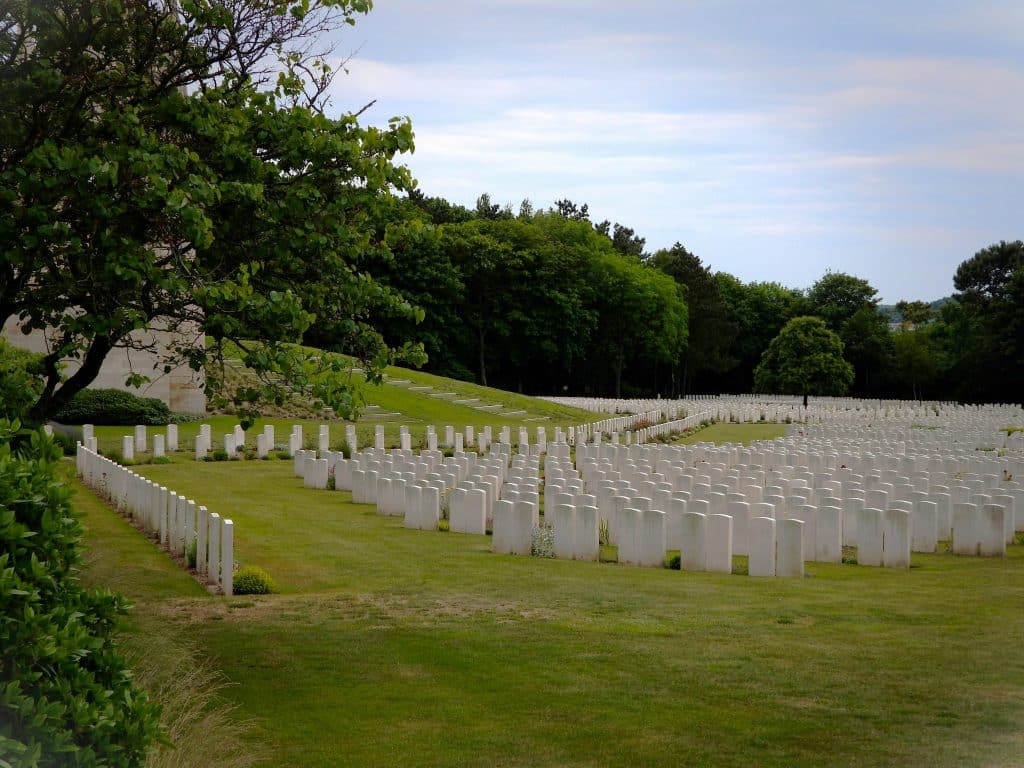
For many Latino soldiers, military service wasn’t just about duty, it was also about demanding dignity and equality back home. From the Mexican American civil rights movement to veterans who led political change in Puerto Rico and beyond, military service has been a launching point for activism. But this connection is rarely highlighted on Memorial Day, leaving a vital part of U.S. history untold.
Latinos have fought, sacrificed, and died for their country. Honoring them isn’t asking for special treatment; it’s simply an act of historical accuracy. Until their contributions are as visible as anyone else’s, Memorial Day remains an incomplete tribute.
Author

Related Articles
Remembering Abraham Quintanilla, Selena’s Father & Patriarch of Tejano Music
Abraham Isaac Quintanilla Jr., the patriarch behind one of the most enduring legacies in Latin music history and the father of the late Tejano superstar Selena Quintanilla, died on December 13, 2025, in Corpus Christi, Texas. He was 86.
10 Latino Myths to Get Spooked This Halloween
Even if you don’t totally buy into the supernatural, you have to admit—nothing beats the thrill of a good old-fashioned scary story.
September’s Latino Independence Days: A Month of Freedom
Across Latin America, September is a time of freedom, pride, and remembrance. This month marks the independence of many nations, each with its own powerful story of struggle, resilience, and celebration.