
Change Is Not Punishment: What Sacred Lessons Teaches Men About Freedom
Men are taught to stay hard and unshaken, but what happens when the weight of that becomes too heavy to carry?
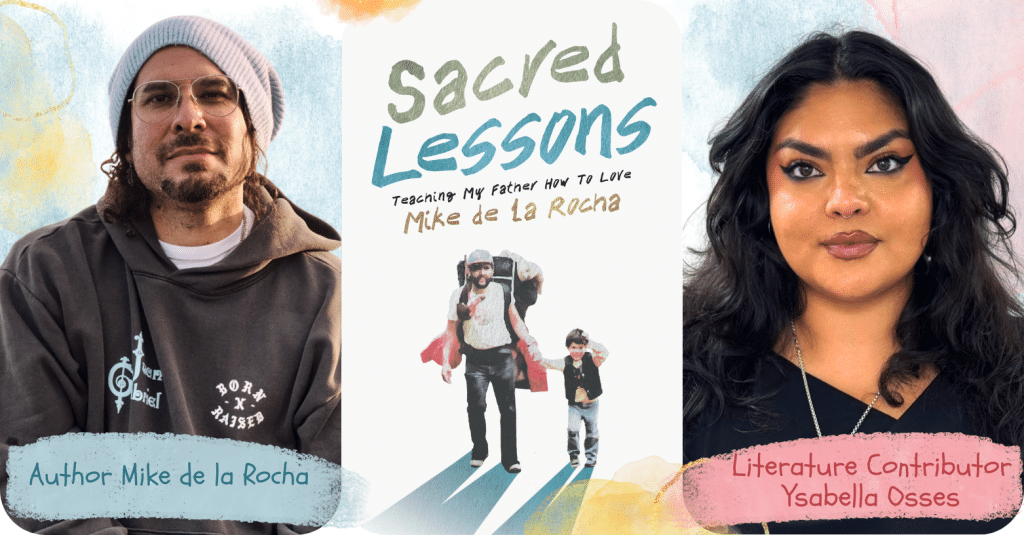
Men, this book is for you because, truthfully, your voices often go unheard. Not out of malice, but usually from habit, fear, or the heavy weight of conditioning, as mentioned in the book. There is power in men speaking openly, with vulnerability and honesty, about being themselves. “Sacred Lessons: Teaching My Father How to Love,” by Mexican-American bestselling author, artist, expert strategist, and entrepreneur Mike de la Rocha, creates space for those conversations. These reflections are long overdue, and seeing them finally step into the light feels hopeful.
On his website, de la Rocha explains the purpose behind his book, “I wrote Sacred Lessons to process the grief of losing my father. Along my healing journey, I realized that I had inherited the same patterns and beliefs that led to his unexpected passing. Through my story, I explore the challenges that I and many men face in connecting with themselves and others, offering tools for personal growth and ways to build meaningful and authentic relationships in our lives.”
What draws you to “Sacred Lessons” is de la Rocha’s fearless self-examination, especially in relation to his father. He invites men to stand before their own mirrors and ask: Who are you when you set aside the script society handed you at birth? When you truly look at yourself, do you see someone who owns their choices, or someone still cloaked in excuses and old patterns? Many men grow up tracing the outlines of fathers who were never given permission to feel, and de la Rocha meets this reality with gentle understanding and tenderness, rather than judgment.
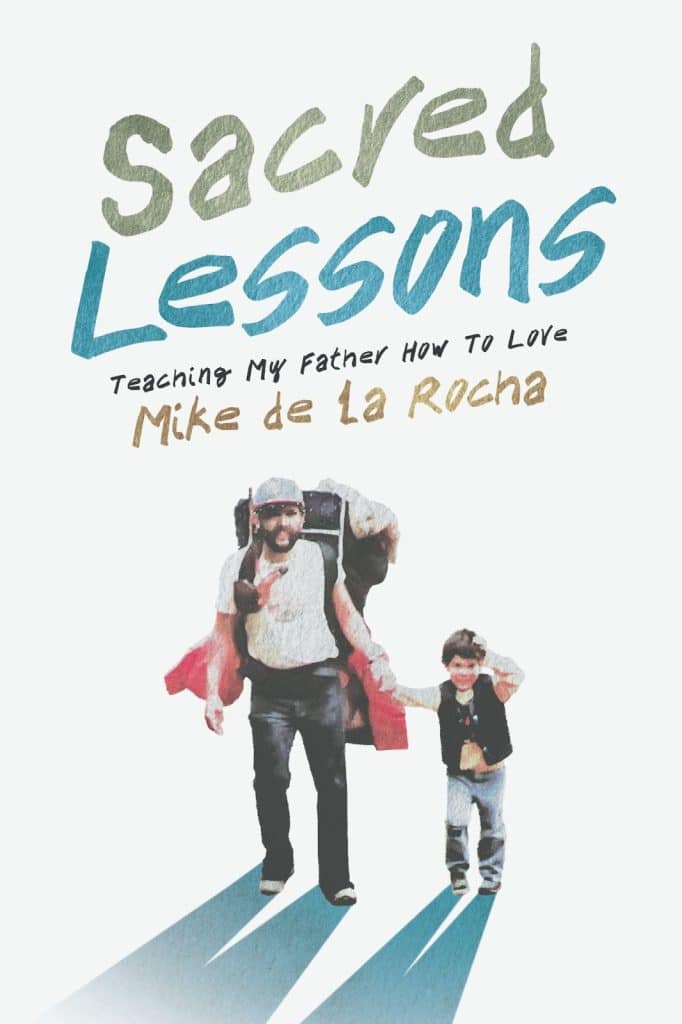
At the heart of the book is Mike’s relationship with his father, Mayo, an immigrant college professor full of love and contradictions, who found it nearly impossible to show vulnerability until his final hours. Not because he did not care, but because he did not know how to do it sober. This story is recognizable in so many Latino families. We grew up with fathers who loved us fiercely in their minds, but never learned how to show it in ways we understood or appreciated, because no one had ever taught them how to do so.
It’s essential to recognize that Mike has considerable privilege in being able to examine his life in this way. He had access to travel, a higher education, and a real relationship with his father, things many of us do not have. That doesn’t make his lessons any less valuable, but it is worth recognizing that the reflection and choice he describes are not equally available to everyone.
The most powerful lesson in “Sacred Lessons” is that men can and must change, and more importantly, they are worthy of it. Change isn’t punishment; it’s liberation. But it requires intention, patience, and a willingness to take responsibility. Discipline and self-awareness should not be distant dreams for men, but everyday tools for building the lives and relationships they truly desire. Men should allow themselves to be whole, not just a collection of roles or expectations.
De la Rocha explains on his website, “The death of my father forced me to question everything that I knew about myself and about others. It forced me to see how I inherited the same patterns and beliefs that led to his unexpected passing. And it forced me to address the unhealed aspects of myself so I could find the courage to change.”
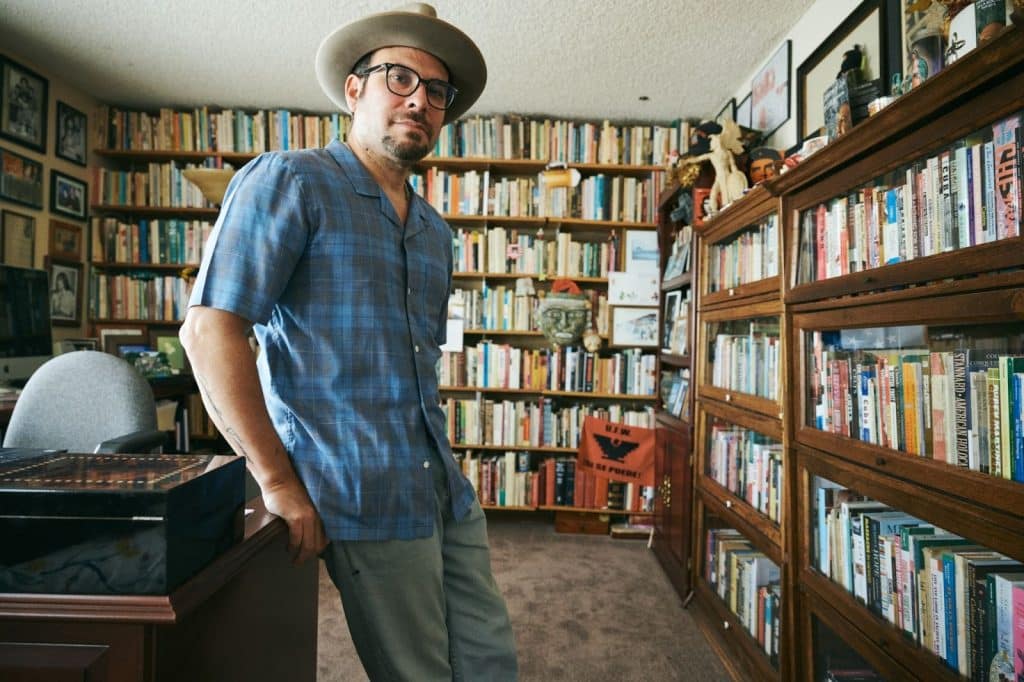
Reading the book, I was reminded how often men are taught to run from their own softness and vulnerability, and how heartbreaking that is, since those closest to them pay the price. Instead of naming their emotions, men bury them, sometimes beneath substances, sometimes beneath anger, silence, or distance. Vulnerability can feel dangerous, even shameful, as if it were a weakness tied to femininity. But vulnerability isn’t weakness; it is the essence of being human. And it’s time for men, once and for all, to claim this truth as armor.
The more men let themselves feel, the richer and more connected their lives become. After reading this book, I can’t help but wonder: what would have happened if the men in power (right now and throughout history) had understood at least half of these lessons? How long will men keep stretching themselves thin beneath the crushing weight of “manhood,” and how long will the rest of us bear it too?
One story that lingered with me was Mike’s father’s jealousy and control toward the relationship his wife had with her sick mother, and how much time they spent together, and how he grew calmer after his mother-in-law’s passing, knowing his wife would spend more time with him once more. And while this stemmed from fear rather than malice (fear of being replaced, of losing his place, of not knowing how to love more deeply), this moment hit like a quiet catastrophe. It’s a reminder of the ache many men (and women) feel when they discover a parent they perceive to be their hero is just as flawed and human as anyone else. Yet, it is in meeting that disappointment head-on that real growth begins.
The book reminds us that the human experience is complex, and that emotions are learned: passed down, modeled, and repeated until we realize they no longer serve us. The hope is that what is learned can be unlearned, relearned, rewritten, softened. Defensiveness, de la Rocha warns, suffocates love faster than anything else, and ego builds barriers where intimacy could flourish.
One critique I have is that the book sometimes places women on a pedestal, along with all the emotional labor that entails. While that trust is touching, even if women carry profound wisdom, we cannot shoulder the entire burden of men’s transformation (though we have done that for centuries). We can guide, but we cannot walk the path for them. The most genuine sacred lessons women can offer are to encourage men to grow for themselves, not through us.
Where “Sacred Lessons” shines most is in demonstrating that healthy “masculinity” is real, attainable, and deeply needed, and that achieving this point would not only benefit men, but also everyone around them. Men who read this book with an open mind will find themselves invited to become more grounded, more loving, and more whole.
Ultimately, de la Rocha challenges men to actively choose growth. His path is compassionate and honest, not perfect or effortless. The truth is simple: men can change, and they are worthy of having that opportunity. The question is: will they choose to?
Author

Related Articles
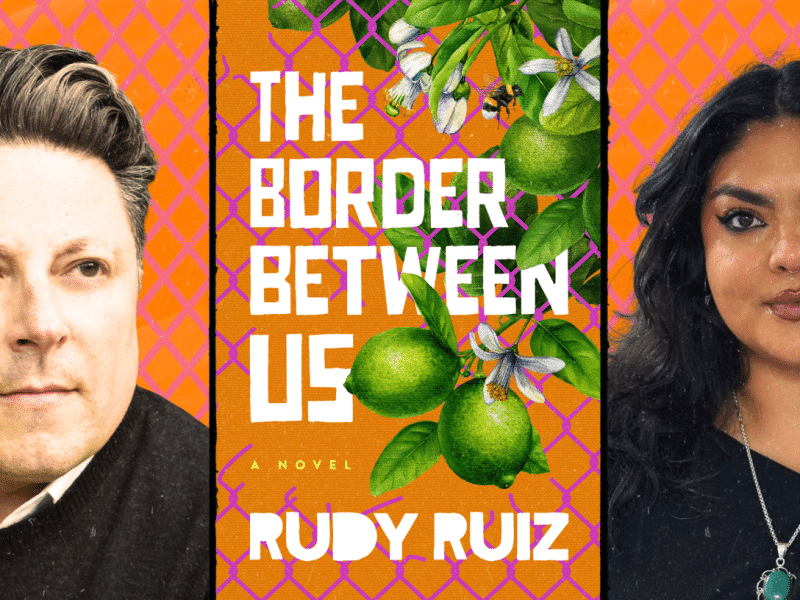
Can Walls Become Bridges? The Quiet Power of “The Border Between Us”
In this book review, Ysabella Osses dives into Rudy Ruiz’s latest work, “The Border Between Us,” a powerful novel that explores what it means to grow up caught between worlds.
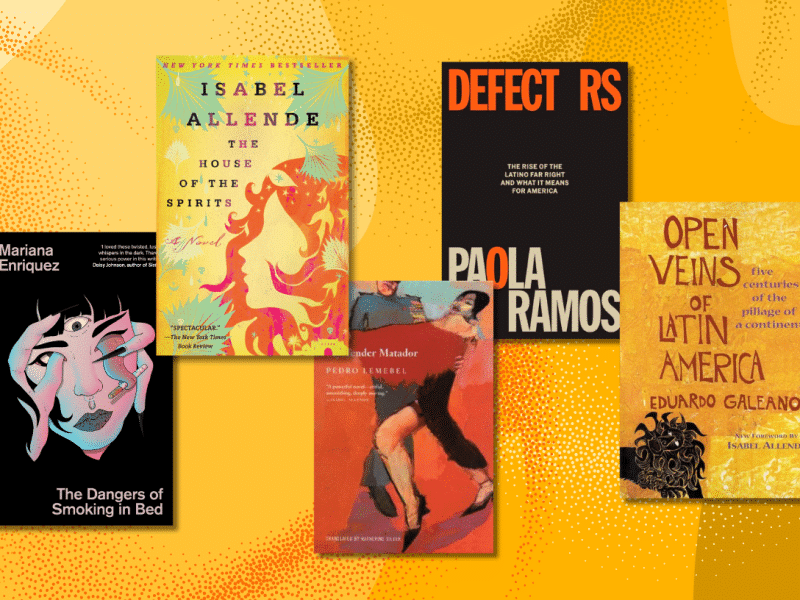
These 5 Latine Reads Will Stay With You Long After the Last Page
Guest literature contributor and book lover Ysabella Muñoz Osses curated a list of powerful reads by Latine authors that remind us that our stories are as fierce and enduring as we are.
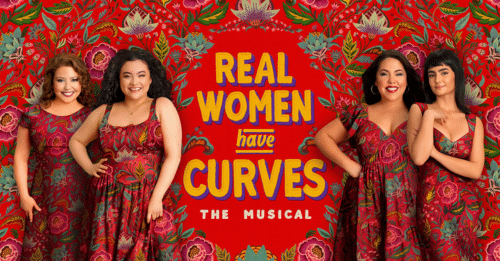
“Real Women Have Curves” Is Closing on Broadway—Here’s Why You Need to See It
“Real Women Have Curves: The Musical” brought immigration, identity, and ambition to Broadway with a story that’s as timely as it is powerful.