
Breaking Free from the Scroll: A Practical Guide to Social Media Detox
Feeling drained by the scroll? Social media affects mental health more than we realize, often at a steep cost, and quitting cold turkey is easier said than done.

Social media is embedded in your daily routine, shaping how you connect, express yourself, and even understand the world. But a growing body of research highlights the complex effects it has on mental health, self-worth, and public trust, confirming what many already feel: too much time online comes at a cost. For example, studies have linked excessive social media use to increased anxiety, depression, and lower self-esteem, especially among women and young people. Studies have also found that constant comparison, often to curated, unrealistic images, directly impacts how people see themselves and measure their worth.
It’s not just your mental health that takes a hit. Social media is also a major driver of misinformation, feeding public confusion and contributing to a sharp decline in trust toward news sources. According to Gallup, trust in mass media “is at its lowest point in more than five decades,” with 31% of Americans “trusting the media a great deal or a fair amount.” Meanwhile, viral posts, often lacking context or accuracy, continue to play a significant role in shaping public opinion at scale.
Even when you aren’t actively scrolling, your brain is still on alert. Research from the University of Chicago found that just having a phone in sight can reduce cognitive function, pulling mental energy away from the task at hand. This happens because part of the brain is busy making an effort to ignore that the phone is there, which consumes cognitive resources, leaving people with less mental energy available for the main task. This is known as “brain drain.”
Those who notice the negative effects of social media often make efforts to take a break, but it can be challenging due to the addictive qualities of social media, which are there by design. But a social media detox doesn’t necessarily have to be about never engaging with it again. After all, it can also be beneficial; these two realities aren’t mutually exclusive. Whether social media serves you or not depends on how, why, and how much you use it. A more helpful approach to detoxing from it is to think of the process as a reclaiming.
Start with Your “Why”

Before you delete anything, ask yourself what you’re hoping to gain. Less anxiety? More focus? Better sleep? A healthier self-image? Write it down—seriously. That “why” will be your anchor when your fingers twitch toward your favorite app out of habit.
Take Inventory of Your Time

Use your phone’s screen time tracker or an app like Moment or RescueTime to get the cold, hard numbers. You might be shocked to find how many hours you’ve spent watching strangers lip-sync or arguing in comment sections. Track when you use social media most. Is it while waiting in line? Right before bed? When you’re bored or anxious? Knowing your patterns is the first step to breaking them.
Define the Boundaries That Work for You

You don’t have to go completely off the grid unless you want to. Decide what platforms you’re stepping away from, and for how long. A weekend off? A month-long cleanse? Just deleting the one app that stresses you out the most? Make it personal and manageable so it feels like self-care, not punishment.
Remove Temptation
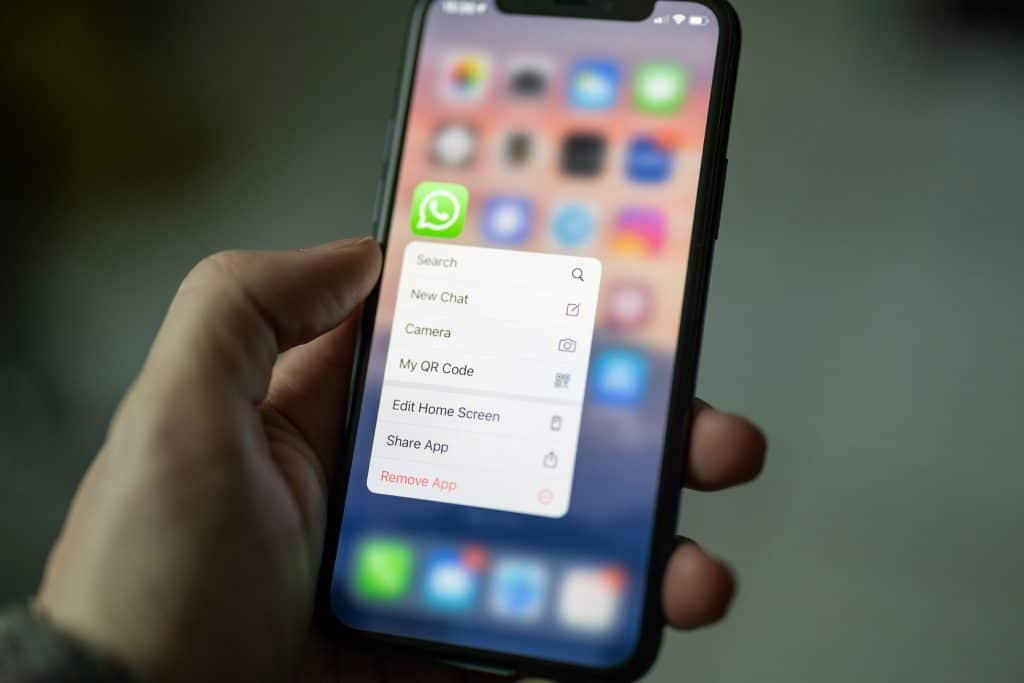
Out of sight, out of scroll. Delete or temporarily deactivate your social media apps to make logging on less automatic. And turn off notifications! They’re designed to lure you back in. When your phone stops buzzing with every new post or like, you’ll find it’s a lot easier to stay present.
Replace the Habit, Don’t Just Break It

Scrolling is a habit often created from a need to soothe boredom, anxiety, or loneliness. So what will you do instead? Read that book you keep saying you’ll start. Go for a walk. Call a friend. Pick up a new hobby or revisit an old one. Fill the space with something that actually provides some kind of value into your life.
Set Scheduled Check-Ins (If You Need To)

Going cold turkey doesn’t work for everyone. If you’re not ready to quit entirely, set a daily time limit—say, 15 minutes in the evening—and use app timers to keep you honest. It’s about using social media intentionally, not impulsively.
Do It with a Friend

Everything’s easier with a buddy. Find a friend who wants to detox too and check in with each other. It gives you accountability, and it’s comforting to know someone else is riding the same wave of FOMO and self-discovery. It also helps to have someone you can get together with and do anything but scroll on social media, like practicing hobbies together, going out for coffee or drinks, reading a book, watching movies, practicing a sport, you name it.
Tell People You’re Taking a Break

Give your friends and followers a heads-up. You don’t need to explain yourself in a dramatic exit post, but letting people know you’re unplugging for a bit keeps you from feeling pressure to reply to messages or post updates, and they might even be inspired to join you.
Create Phone-Free Zones
Designate certain spaces or times of day as “no phone zones,” like the dinner table, your bed, or the first 30 minutes after waking up. These little boundaries can have a big impact on your mental clarity and help reinforce new habits without feeling restrictive.
Reflect and Reset

After your detox, check in with yourself. How do you feel? What changed—your sleep, your anxiety levels, your mood, the way you see yourself? Do you want to reintroduce social media with tighter boundaries? Maybe you limit yourself to weekends or keep your most-used app off your phone altogether. Whatever you choose, let it be intentional, not automatic.
Author

Related Articles
The Psychological Cost of Crises—and Where to Find Help
We’re not built to live with chronic stress, but for many of us, that’s become the norm. We break down the effects of chronic stress and explore where to find real, culturally competent support when you need it most.

5 Misconceptions About Supplements: Setting the Record Straight
Think you know supplements? From “natural = safe” to “more is better,” there’s a lot of hype out there, and not all of it holds up.

The Thin Line Between Hard Work and Burnout
As Latinos, we’ve all been taught to hustle hard, but what happens when the grind takes over your health and happiness?