
What’s in a Name? Hispanic, Latino, and More Explained
Hispanic, Latino, Latine, Latinx...? These labels are ever-changing as people continue to redefine themselves, especially within diverse communities like ours.
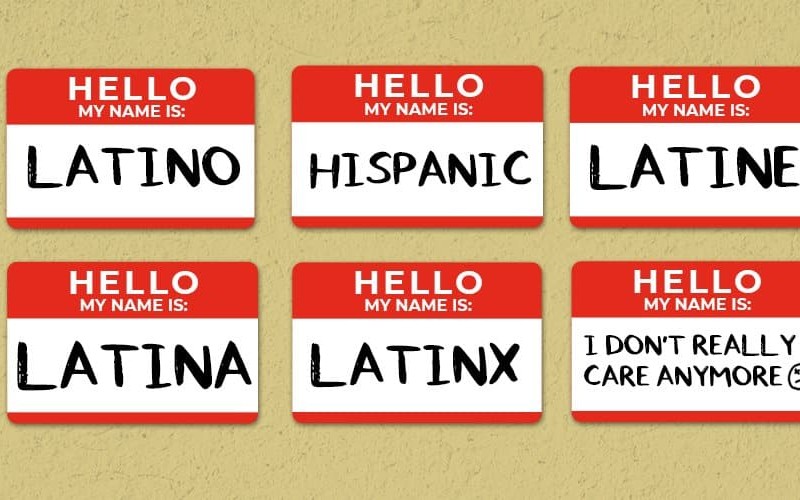
Hispanic, Latino, Latine, Latinx...? These labels are ever-changing as people continue to redefine themselves, especially within diverse communities like ours.
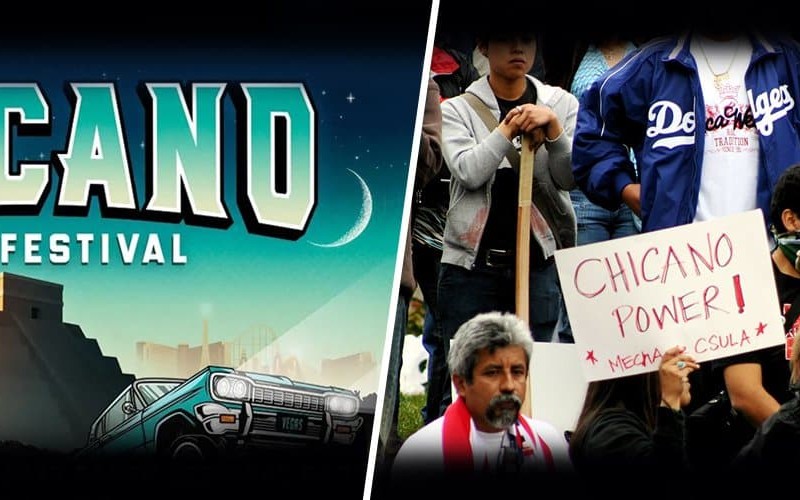
Words are always in flux. "Chicano" was reclaimed by Pachuco youth as an expression of defiance at a time when Chicano was used among English and Spanish speakers as a classist and racist slur to refer to working-class Mexican Americans.

From JLO to Yahritza, and even Selena Quintanilla, lots of famous people have been called out as "no sabo kids" for not being fluent in Spanish. Yet, using this term to mock people for their lack of Spanish proficiency ignores the many outside factors that might have affected their learning.

Extraterrestrial life? Oh yeah, our ancestors knew about it ages ago.

In this guest piece, Ashley Rivera Mercado explores why "no sabo" needs to be retired from the Latine vocabulary.

The act of looking back to our ancestors for information about them and their practices that existed before colonization isn’t talked about nearly enough.

The U.S. Latino population is as diverse as it is vibrant, with origins tracing back to over 20 different Latin American countries.
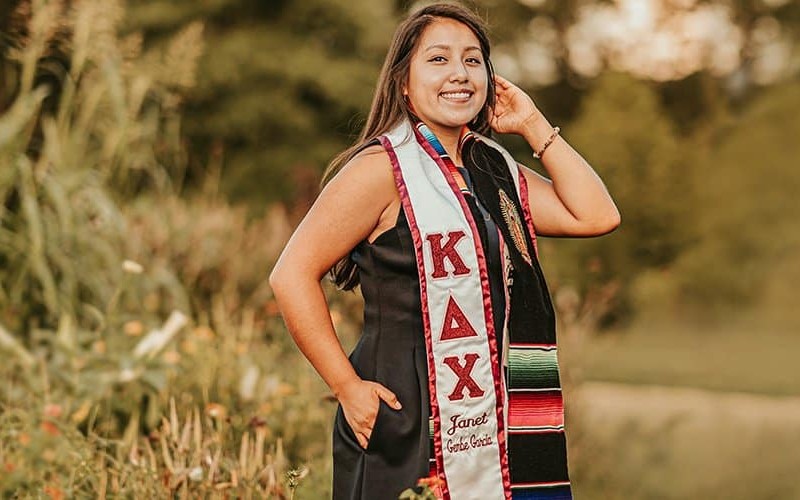
Far from the wild partying stereotypes often portrayed in movies, Multicultural Greek orgs are rewriting the college experience for first-gen Latinas in the most amazing ways.
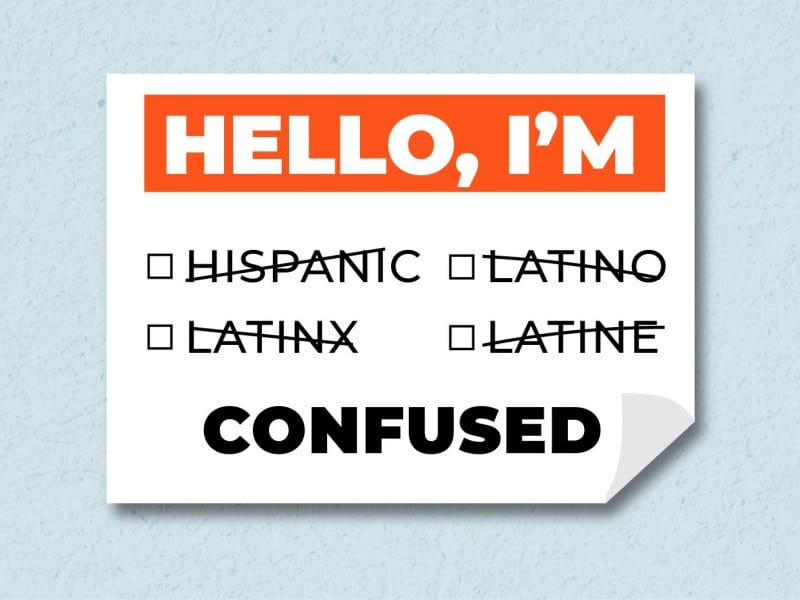
Hispanic Heritage Month has arrived, and just like every other year, everyone is still wondering how to refer to our community. We explore the Latino history of labels.
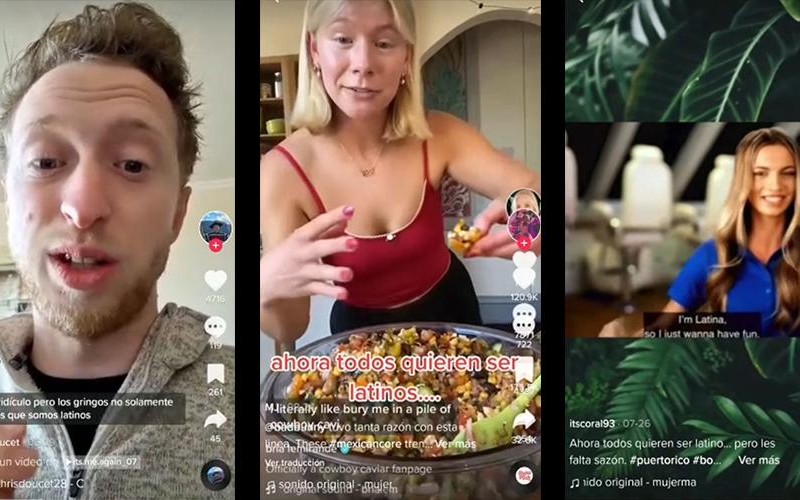
They really trying to be us. Find out more about how the internet is pushing back against Latine cos-players inspired by Bad Bunny's "El Apagón."