
7 Ways Toxic Positivity Is Holding You Back

In Latino culture and many others, there’s this unspoken pressure to always be okay. To smile through pain. To say “todo bien” even when everything inside you is falling apart. We’re taught to be resilient, and we are, but somewhere along the way, resilience got tangled up with denial. Toxic positivity feels like a relentless pressure to stay upbeat, to never dwell on what’s hard, and to bypass real pain with platitudes like “It could be worse”, “Just be strong”, or “God gives his toughest battles to his strongest soldiers.” Sound familiar? Here are 7 ways toxic positivity may be holding you back:
It Forces You to Perform Happiness
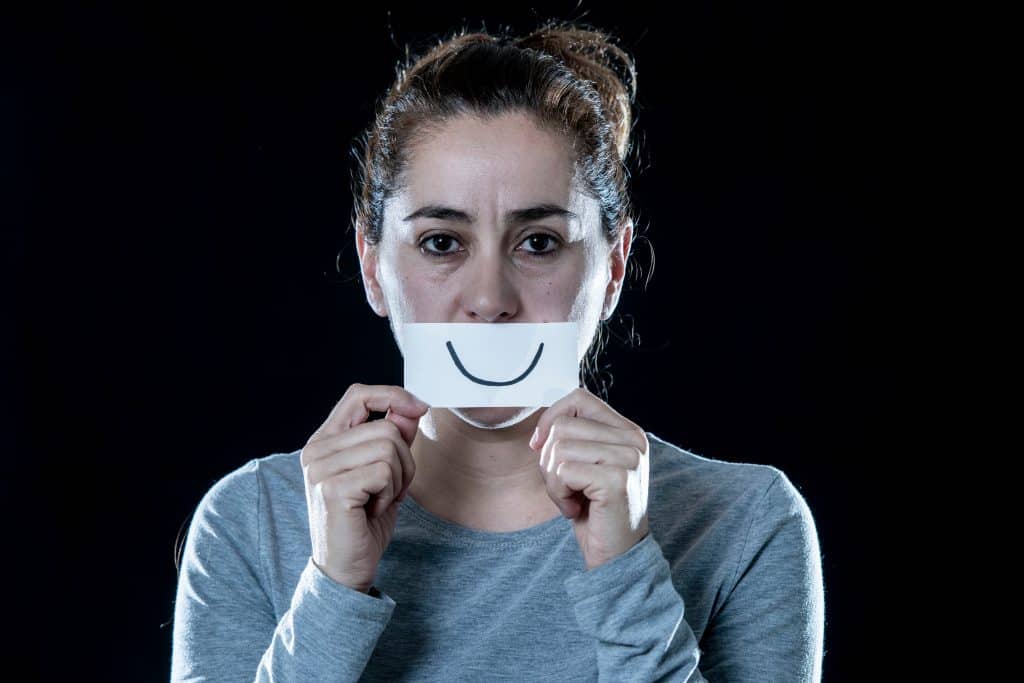
You’ve had a brutal week. Your boss talked over you in a meeting, your finances are tight, and you’re emotionally drained. But when your family asks how you’re doing, you smile and say, “Aquí, echándole ganas.” Because in our culture, the expectation is to be strong. To push through. To not burden others. But that constant emotional performance is exhausting. And it keeps us from being honest with others and ourselves.
It Shames Emotional Struggle

Mental health struggles are often met with minimization in Latino households. If you say you’re anxious or depressed, you might hear: “Eso no es nada,” or “Pon de tu parte.” It’s not because our families don’t care; it’s because they were never given permission to feel either. But telling someone to “just be positive” when they’re suffering doesn’t help. It isolates. It tells them that their feelings are wrong or inconvenient. That kind of cultural conditioning keeps generations trapped in silence, so it’s important to start breaking the cycle.
It Dismisses the Complexity of Our Reality

For many Latinos, especially immigrants and first-gen kids, life is complicated. You might be grateful for your opportunities, but also grieving what you’ve lost. You might love your family and still need boundaries. You might feel pride and burnout at the same time. Toxic positivity doesn’t allow for that nuance. It demands that we pick one emotion, and it better be a good one. But real life isn’t that tidy, and neither are we.
It Blocks Healing

You can’t heal what you don’t allow yourself to feel. When we rush to “look on the bright side,” we miss the lessons in our pain. We numb instead of nurture. Our ancestors survived wars, displacement, and poverty, and we carry that resilience in our bones. But healing requires more than toughness. It requires softness. Safety. Space to feel broken without being told to snap out of it.
It Reinforces the Myth That Suffering Is a Private Matter

In Latino families, there’s often a deeply ingrained rule: “Lo que pasa en casa, se queda en casa.” That’s not just about family secrets, but also about emotions. We’re taught not to talk about our problems, especially in public. Toxic positivity feeds off this silence. It convinces us that expressing pain is attention-seeking or shameful. So instead of asking for help, we say we’re fine. And we suffer quietly.
It Turns Resilience Into a Mask

We take pride in being fighters. In hustling. In bouncing back. But when resilience becomes a mask, we lose touch with our needs. You don’t have to earn rest. You don’t have to prove your strength by pretending nothing affects you. Resilience is about facing your pain and moving beyond it, it’s not about denying it.
It Delays Progress by Avoiding Hard Conversations

Whether it’s in the workplace, in our families, or in our communities, growth comes from discomfort. But toxic positivity avoids confrontation. It tells us to smooth things over, to keep the peace, to be grateful and smile. But we can’t fix what we won’t name. Whether it’s racism in the workplace, generational trauma at home, or inequality in society, pretending everything’s fine and there’s nothing to criticize only keeps the system intact.
Author