
“Not All Men” Is Missing the Point—and Women Are Paying the Price
“Not All Men” seems like a harmless phrase, but it derails conversations backed by facts and overwhelming statistics about the threat of harm and violence that women constantly face.

Let’s talk about a phrase that pops up far too often in conversations about sexism, harassment, and gender-based violence: “Not All Men.” Maybe you’re familiar with it. Maybe you’ve even said it. On the surface, it might seem logical. It’s true that not every single man on earth mistreats women. But dig a little deeper, and you’ll see why this phrase is misleading, misses the point, and is genuinely harmful to meaningful progress.
It Derails Meaningful Conversations
When someone brings up sexism or violence against women and the immediate response is “Not all men,” it shifts the focus away from the people most affected. Instead of engaging with the reality that women overwhelmingly face harassment and harm, the conversation becomes about the reputation of men.
But the numbers don’t lie. In 2018, a report from Stop Street Harassment revealed that 81% of women in the U.S. have experienced some form of sexual harassment or assault. The same study found that nearly 65% have faced street harassment, and 38% have experienced it at work. Pew Research Center data from the same year showed that 59% of women say they have been sexually harassed, which is more than twice the percentage of men who report the same.
The conversations women have about the issues that plague them aren’t about blaming every man. They’re about confronting the reality that almost every woman has a story, and that systemic harm needs systemic attention. Saying “not all men” in conversations like that is like responding to a house fire with, “Well, not all houses are burning.” It’s irrelevant and dismissive.
It Defends the Status Quo and Obscures Male Privilege
“Not all men” might feel like a defense of fairness, but in practice, it often deflects attention from the unequal structures that benefit men, whether they realize it or not. Patriarchy isn’t a buzzword, it’s a system that grants men, especially cisgender men, advantages in leadership, income, safety, and voice.
In 2024, the U.S. Bureau of Labor Statistics reported that women earn just 82 cents for every dollar earned by men. Only 28% of the U.S. Congress and 24% of state legislatures are made up of women, according to the Center for American Women and Politics. As of 2024, just 10% of Fortune 500 CEOs are women.
These aren’t isolated issues, they’re symptoms of a system that has long favored men. And even the men who don’t actively participate in sexist behavior still benefit from these imbalances. As gender scholar Michael Kimmel has famously said, “Privilege is invisible to those who have it.”
It Dismisses and Invalidates Women’s Experiences
Imagine sharing a traumatic experience, only to be met with defensiveness. That’s what happens when women talk about harassment or fear, and someone interjects with, “Yes, but not all men.” It centers the feelings of men over the lived reality of women.
In 2019, a YouGov survey found that 44% of women who reported harassment said their experiences were dismissed or not taken seriously. This dismissal isn’t just frustrating, it has major consequences. The American Psychological Association notes that invalidating responses can increase trauma symptoms, lower self-esteem, and prevent survivors from seeking further help. Listening, not defensiveness, is what women need when they’re talking about their experience. Empathy is more powerful than a rebuttal.
It Ignores the Reality of Patriarchy
Patriarchy isn’t always overt, it’s rather woven into daily life. It’s why women are taught to carry keys between their fingers when walking to their cars at night, why they’re interrupted more often in meetings, or why their pain is dismissed by healthcare professionals. These are everyday realities in a world where gender inequality is still the norm.
A 2023 study by McKinsey found that women are twice as likely as men to be interrupted in professional settings and are significantly less likely to be promoted to senior roles. The World Economic Forum’s Global Gender Gap Report of the same year confirmed that no country in the world has fully closed the gender gap in areas like politics, economics, and healthcare.
When anyone responds to conversations about inequality with “Not all men,” they often ignore the cumulative impact of these daily disparities. It’s essential to remember that it’s not about individual behavior; it’s about collective responsibility.
It’s Statistically Misleading—And Misses the Bigger Picture
Let’s address the core argument. Yes, most men are not violent. But the majority of violent acts—especially those against women—are committed by men.
According to the Bureau of Justice Statistics, men are responsible for 80 to 90% of all violent crimes in the United States. Data from RAINN (Rape, Abuse & Incest National Network) shows that 90% of adult rape victims report male perpetrators. The World Health Organization reported in 2021 that 1 in 3 women globally have experienced physical or sexual violence, most often at the hands of men.
Women don’t assume all men are dangerous, but they live with the knowledge that many of them are. In 2023, a Gallup survey found that 45% of women in the U.S. felt unsafe walking alone at night, compared to just 27% of men. It’s not unfounded paranoia; it’s a logical response not only to lived experience but also to statistics.
When men say “Not all men,” they’re asking women to separate the good from the bad. But from a woman’s perspective, that’s not always possible. And demanding that women treat all men as harmless—even when the data says otherwise—is asking them to take a risk they shouldn’t have to.
Shifting the Conversation
“Not All Men” is rooted in defensiveness, and it does little to create change. At best, it misses the point. At worst, it silences those who are bravely speaking up. The real question isn’t whether all men are part of the problem. It’s whether enough men are ready to be part of the solution.
If you find yourself wanting to say “Not All Men,” take a step back. Instead of getting defensive, try to listen. Acknowledge that while you or a man you know might not personally be part of the problem, the problem is still very real and very serious. And instead of defending men as a whole, use that energy to encourage the men around you to speak up against sexism and support the women in their lives. After all, change needs to originate at the source, and here, that source is men.
Author

Related Articles
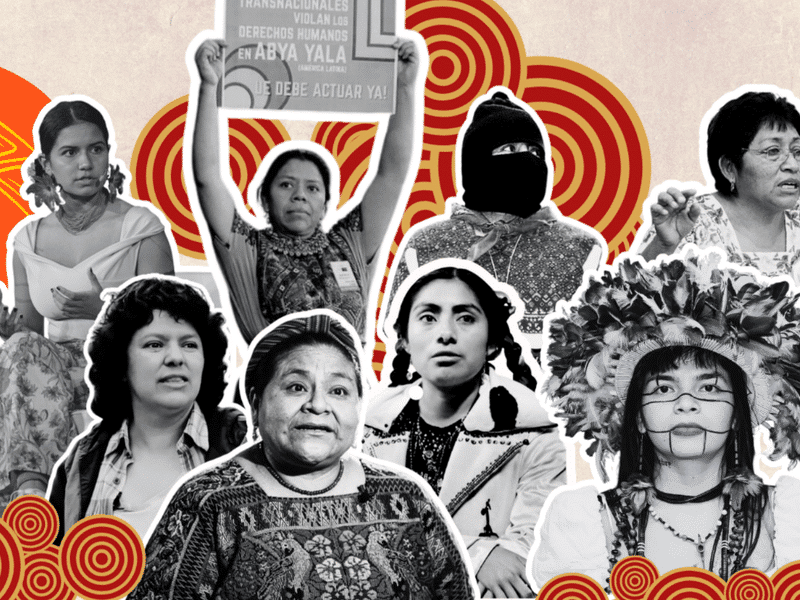
Eight Latin American Indigenous Women Activists You Should Know About
To celebrate Indigenous Peoples’ Day, we’re highlighting eight women whose activism has made an impact in their communities and far beyond them.

Latino Heritage Month: 30 Micro-Actions to Make a Big Impact
Latino Heritage Month, observed from September 15 to October 15, is a celebration that can be turned into impact through small yet intentional, everyday choices.

9/11 Changed Everything and Its Echoes Are Louder Under Trump’s America
It’s been 25 years, but the legacy of 9/11 has shaped the way we travel, the surveillance we accept, and the policies we live under. We explore the lasting impacts and how they echo in 2026.