
Zitlalit Ayllón Is Finding Home Through the Stories She Tells
From Mexico to Pennsylvania, El Paso, and now San Antonio, the NBC/Telemundo reporter has built a career around giving Latino communities the space to feel seen, heard, and understood.
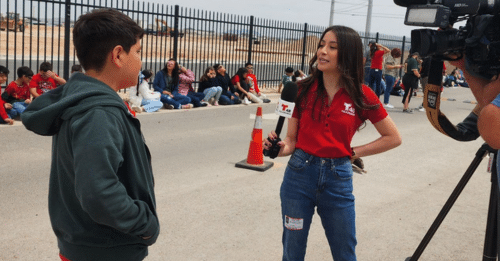
Zitlalit Ayllón was born in the state of Mexico, grew up in Pennsylvania, and built her journalism career across cities that each asked something different of her. Still, the first answer comes easily. “I always end up telling them I grew up in Pennsylvania because it’s also part of me,” she says. “But originally, I always say, and I’m so proud to say it, that I’m from Mexico.”
That layered answer follows her into her work. Ayllón, now a reporter with Telemundo 60 San Antonio, understands what it means to move between cultures, languages, and expectations. Visiting family in Mexico as a teenager, she began noticing the distance between shared roots and different upbringings. She and her cousins spoke the same language and ate the same food, but their lives had unfolded in different countries, under different rules. Those cultural differences taught her that identity is not always a single place to point to. Sometimes, it is found in the space between them.
Finding Journalism Through Community
Ayllón started her career in bilingual community journalism, covering culture and local stories before a role at Telemundo in Philadelphia pulled her closer to the daily issues shaping Latino communities. “I wasn’t looking for it,” she says of the news, “It found me.”
What kept her there was not the camera or the pace of the newsroom. It was the people. Across community journalism, Spanish-language media, and broadcast reporting, Ayllón says earning trust starts with making people feel understood. That can mean covering a family seeking justice, highlighting a small school program, or elevating an everyday issue that might otherwise be ignored.
In San Antonio, that work has taken on a new dimension. Ayllón moved into a larger market with a faster workflow and more demanding stories. She began covering complex topics, including immigration, which once intimidated her because of the legal language and weight those stories carry. Her own background helped her find a way in. She could relate not as an outsider translating someone else’s experience, but as someone who recognized parts of her own family in the people she was interviewing.
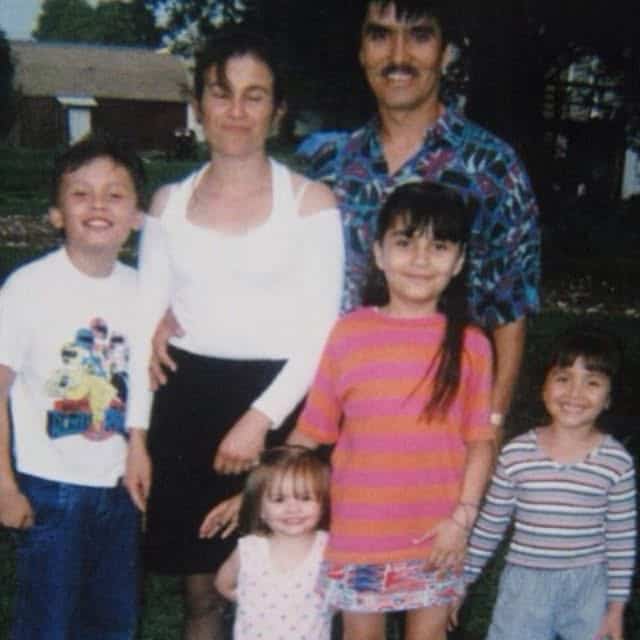
For Ayllón, reporting for Telemundo audiences often means imagining her parents on the other side of the screen. She thinks about whether the story is clear enough, accessible enough, and human enough for families like hers to understand what is happening and why it matters. That responsibility is especially present when she covers immigrant families, Spanish-speaking viewers, or communities navigating systems that were not built with them in mind.
“Some people don’t want you to solve their issue,” she says. “They just want to be heard.”
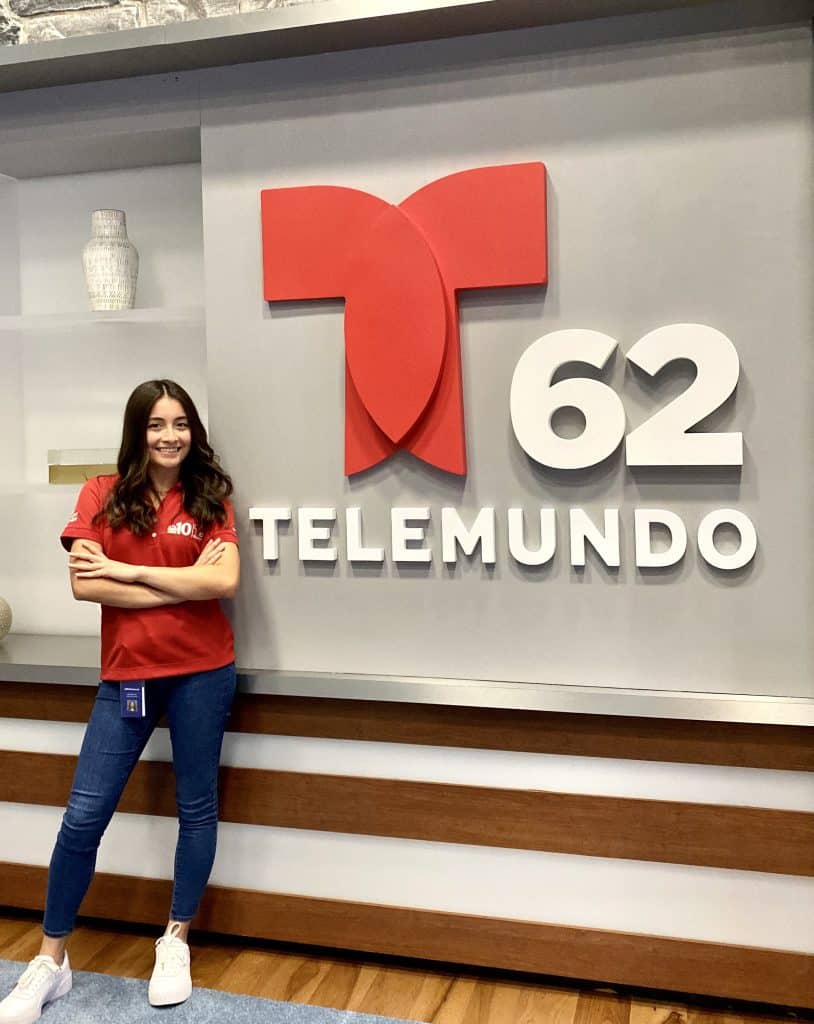
Discovering a New Sense of Belonging
San Antonio has also shifted how Ayllón understands Latino identity. Growing up in Kennett Square, Pennsylvania, Latino communities often had to build smaller cultural pockets. In San Antonio, she was struck by how visible Hispanic culture is across the city, in restaurants, city leadership, schools, and celebrations. When she reports at schools, she sees bilingual programs and mariachi groups treated with the same pride as a band or choir.
To her, that visibility was a welcome kind of culture shock. In San Antonio, Latino culture does not feel tucked away. It is felt citywide throughout neighborhoods, traditions, and the everyday rhythm of the place. For Ayllón, who had already built a life across different versions of home, that sense of belonging mattered.
Building a Life Away from Home
But getting to this chapter required leaving a lot behind.
Ayllón has moved for journalism more than once, first to El Paso and then to San Antonio. Each move demanded more than professional ambition. It meant building a life without the immediate safety net of family, learning how to start over in unfamiliar places, and proving to herself that she could keep going even when the work felt heavy.
“I have to prove mostly to myself that I can do this,” she says, “and that I can work for the community.”
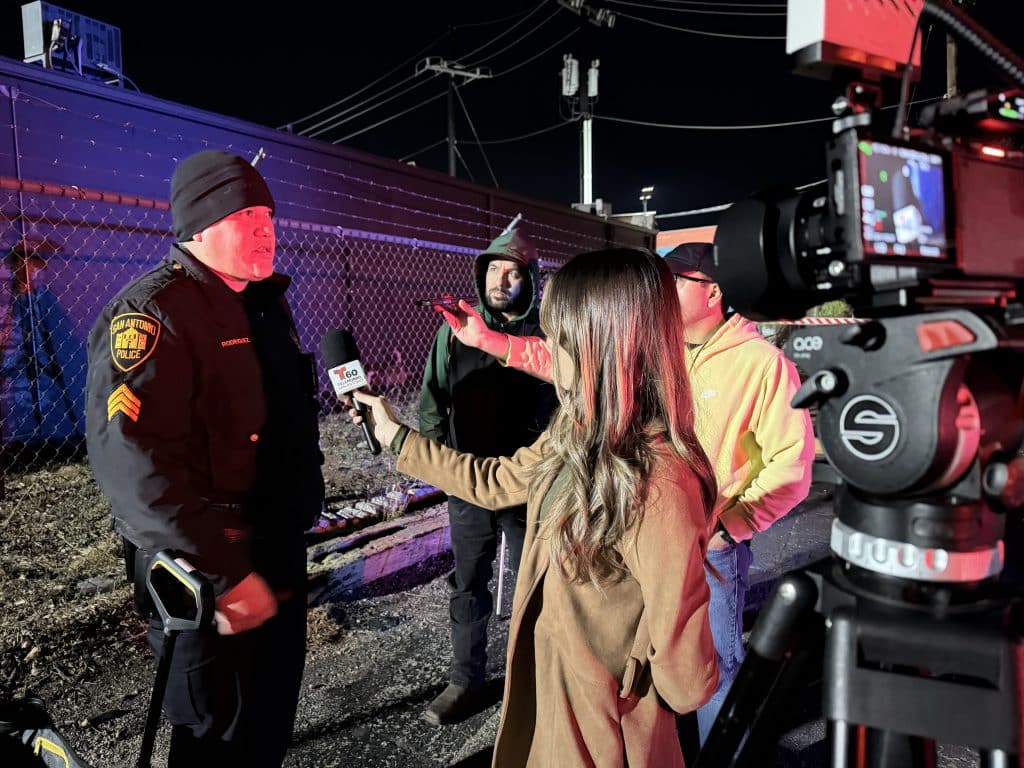
Over time, she has learned that sacrifice cannot be the only measure of commitment. In San Antonio, that has meant building friendships outside of work, creating healthier boundaries, and finding the balance she needs to keep showing up for the stories and communities that brought her here in the first place.
That sacrifice made her first Lone Star Emmy Award especially meaningful. For Ayllón, the award was not just a professional milestone. It was a tribute to her parents, who left their country and family behind to build a different future for their children. It felt like proof that their sacrifices, and her own, had led somewhere.
What Visibility Can Mean
Still, the recognition that stays with her is often quieter. Once, after a broadcast, a viewer commented that it was the first time she had heard her name, Zitlalit, pronounced correctly on TV. For Ayllón, that moment captured what visibility can do. It can make a young Latina feel less like an exception and more like someone the world has room for.
That is what she hopes young Latinas take from seeing her on screen: that they can leave home, build careers, challenge tradition, and define success for themselves. In San Antonio, Ayllón is not just reporting the news. She is learning the city, listening to its people, and building a career around the belief that being heard can be its own form of justice.
Author

Related Articles
Asencion “Junior” Escajeda Built Studio 27 to Be a Place Where Everyone Belongs
From El Paso to Hill Country Village, the Studio 27 co-founder has spent more than a decade turning the salon chair into a space where clients feel seen, valued, and free to be exactly who they are.
Built on Memories of Mexico, Poloco Snack Bar Found a Home in San Antonio
Behind every small business is a story most customers never see. For Poloco Snack Bar, that story includes childhood memories, years of planning, a stolen catering trailer, and the determination to keep going.