
Surveillance, Privacy, and Immigration Enforcement: The Concerns Behind AI Glasses
We explore what AI glasses could mean for privacy, consent, the people caught on camera, and immigration enforcement.
A pair of glasses that can record someone’s surroundings without drawing attention has become a new concern in the debate over immigration surveillance.
Meta’s AI-powered smart glasses are increasingly popular, with eyewear partner EssilorLuxottica reporting more than 7 million AI-glasses units sold in 2025. Recently, the technology has been used during immigration-enforcement operations, raising questions about what agents may be recording, how that information is handled, and what protections exist for people who don’t know they’re being filmed.
The concerns also extend beyond immigration enforcement. Investigations into Meta’s handling of sensitive footage, privacy lawsuits, and federal plans to develop biometric smart glasses are bringing new scrutiny to a technology designed to look like everyday eyewear.
What Are Meta’s AI Glasses, and How Do They Work?
Developed with eyewear company EssilorLuxottica, Meta sells camera-equipped Ray‑Ban and Oakley smart glasses and has announced a camera-free, audio-focused model. Camera-equipped versions contain cameras, microphones, speakers, and AI features.
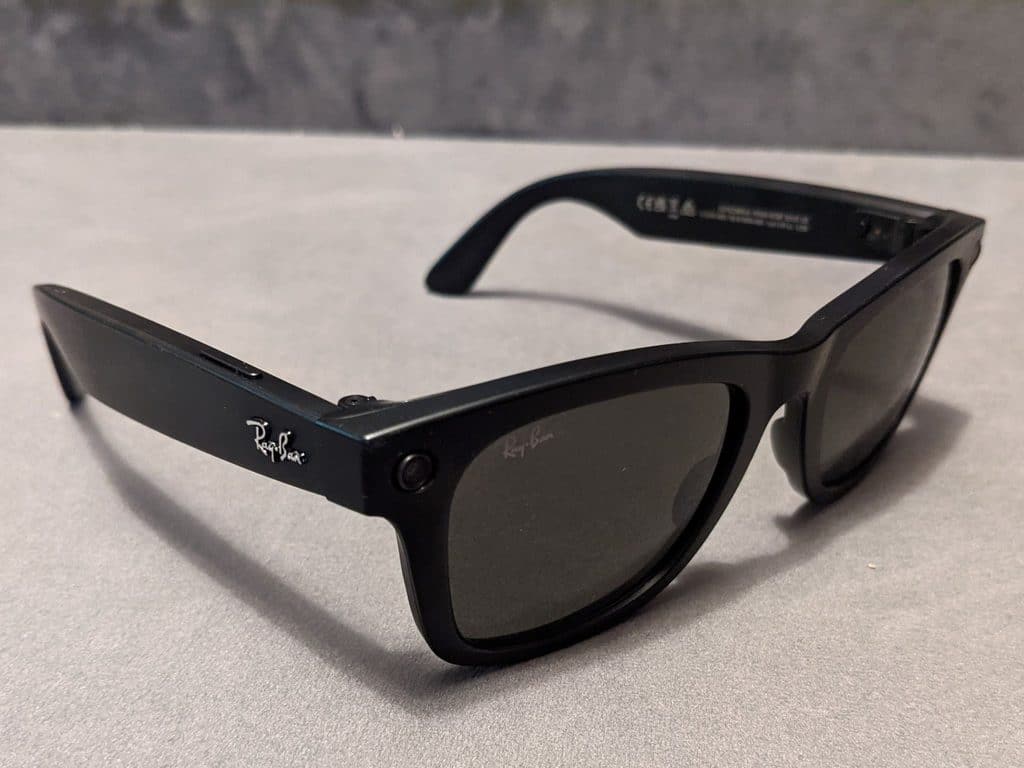

Their hands-free convenience is part of their appeal, but their discreet design also makes it difficult for people nearby to know they’re being recorded.
Meta includes an LED recording indicator to alert bystanders when photos or videos are being captured. The company says the camera automatically disables if the glasses detect that the capture LED has been covered, physically tampered with, or destroyed. However, the indicator doesn’t guarantee that everyone nearby will notice or understand that recording is taking place.
Meta Glasses Spotted During Immigration-Enforcement Operations
Immigration agents have been spotted wearing Meta glasses in at least six states, according to a March 2026 investigation by The Independent, which reviewed videos, photographs, and media reports.
The investigation documented instances in Illinois, California, and North Carolina where agents appeared to use the glasses to record or photograph people during enforcement operations. In other states, agents were seen wearing the devices, but there was no evidence that they were actively recording.
The Department of Homeland Security told The Independent it had no contract with Meta for the glasses.
In August 2026, The New York Times reported that ICE had prohibited employees from wearing the devices in federal workspaces, classifying them as personal body-worn cameras.
In a memo, acting ICE director David Venturella warned that the glasses could unintentionally capture or transmit sensitive information, potentially compromising privacy and legal protections.
DHS also said that personally owned body cameras and unauthorized recording were already prohibited. ICE’s policy applies to its employees, but it doesn’t establish that identical restrictions apply across other DHS agencies, including Border Patrol.
The documented incidents raise questions about how recordings made with personal devices are handled, who can access them, and what protections exist for people filmed during enforcement operations.
DHS Wants to Develop Its Own Biometric Smart Glasses
Separately, DHS is exploring smart glasses that could give immigration agents access to biometric identification information in the field.
According to Courthouse News Service, DHS’s fiscal-year 2027 budget proposal included $7.5 million for research projects involving immigration-enforcement technology, including smart-glasses prototypes.
The proposal would build on biometric technology already used by immigration authorities.
Fortune reported that ICE and Customs and Border Protection use Mobile Fortify, an application that allows agents to capture facial images or fingerprints and compare them against government databases.
DHS officials also confirmed to 404 Media that the agency was exploring smart glasses that could work alongside Mobile Fortify.
This system could allow agents to access identification information through eyewear rather than holding up a phone, raising additional questions about surveillance, consent, and the identification of people who aren’t targets of an enforcement operation.
However, the proposed glasses remain a research and development project.
A Privacy Investigation Revealed Human Workers Reviewing Intimate Footage
Beyond immigration enforcement, Meta is facing scrutiny over how information collected through its smart glasses is handled.
In March 2026, TechCrunch reported on an investigation by Swedish newspapers that found workers employed by a Kenya-based subcontractor were reviewing footage collected through Meta’s AI-glasses system.
The footage reportedly included sensitive material involving nudity, sexual activity, and people using bathrooms.
The findings raised concerns about whether users understood that some of their interactions with the glasses could be viewed by Meta employees or subcontractors and their staff.
Meta responded that it takes steps to protect identifying information, including filtering data before human review. However, sources cited in the investigation disputed whether privacy measures such as face blurring consistently worked.
Meta Faces Lawsuits Over Privacy and Data Collection
Following the investigation, Meta and its manufacturing partner Luxottica of America faced a proposed class-action lawsuit filed in March 2026, accusing the companies of misleading consumers about the glasses’ privacy protections.
According to TechCrunch, plaintiffs argued that Meta’s marketing emphasized privacy and user control without adequately disclosing that private footage could be reviewed by human contractors.
An amended complaint filed in late August 2026 expanded the case to include bystanders whose faces, voices, or bodies were allegedly captured and processed without their knowledge or consent
Meta says photos and videos remain private unless users choose to share them, distinguishing between media saved to a user’s gallery and content submitted to Meta AI, which may undergo human review. In a statement reported by TechCrunch, Meta spokesperson Christopher Sgro said the company takes steps to filter identifying information before review. Meta’s U.S. AI terms also disclose that interactions may undergo automated or human review.
While these are allegations in ongoing litigation, they raise questions about what companies must disclose to users and what protections exist for people recorded by someone else’s device.
What’s Next for Smart Glasses and Immigration Surveillance?
Questions remain about footage captured during early immigration operations, including whether recordings were retained, shared, or used in investigations.
DHS has proposed biometric smart-glasses prototypes, but it hasn’t been established whether they have been built or deployed, or what safeguards would govern their use. Meta also faces ongoing litigation over its handling of data collected through consumer glasses.
These developments raise questions about who controls information captured by wearable technology and what protections exist for people recorded without their knowledge, particularly during encounters with law enforcement.
Author

Related Articles

Eight Latin American Indigenous Women Activists You Should Know About
To celebrate Indigenous Peoples’ Day, we’re highlighting eight women whose activism has made an impact in their communities and far beyond them.

Latino Heritage Month: 30 Micro-Actions to Make a Big Impact
Latino Heritage Month, observed from September 15 to October 15, is a celebration that can be turned into impact through small yet intentional, everyday choices.

9/11 Changed Everything and Its Echoes Are Louder Under Trump’s America
It’s been 25 years, but the legacy of 9/11 has shaped the way we travel, the surveillance we accept, and the policies we live under. We explore the lasting impacts and how they echo in 2026.