
Can Latino Fathers Confront the Legacy of Machismo and Redefine Masculinity?
For generations, machismo has defined masculinity, but an increasing number of Latino men are doing the inner work of challenging traditional notions of masculinity with the guidance of organizations and advocacy groups dedicated to unlearning machismo.
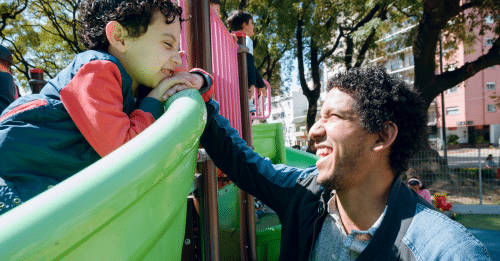
For many men and women in the Latino community, growing up meant learning responsibility at an early age. Men were taught to protect, provide, and persevere; women were taught to serve and sacrifice. This is rooted in machismo (and marianismo), a belief system that shapes how masculinity is defined, performed, and passed on.
Latino families in the United States are navigating a period of cultural transformation. While traditional values like familismo (family-centeredness) remain strong, the community is also grappling with the legacy of machismo. According to a 2023 Pew Research Center survey, 83% of U.S. Latinos have heard of machismo, and a majority (73%) of them view the term as a “bad thing.” This growing recognition of machismo’s downsides is fueling a new conversation about what it means to be a Latino father today.
What is Machismo, Exactly?
Machismo refers to a set of cultural beliefs and behaviors that emphasize exaggerated masculinity, male dominance, and rigid gender roles. Traditionally, it promotes the idea that men should be strong, emotionally reserved, authoritative, and the primary providers and protectors of their families. For Latinos, it’s a cultural inheritance that does more harm than good.
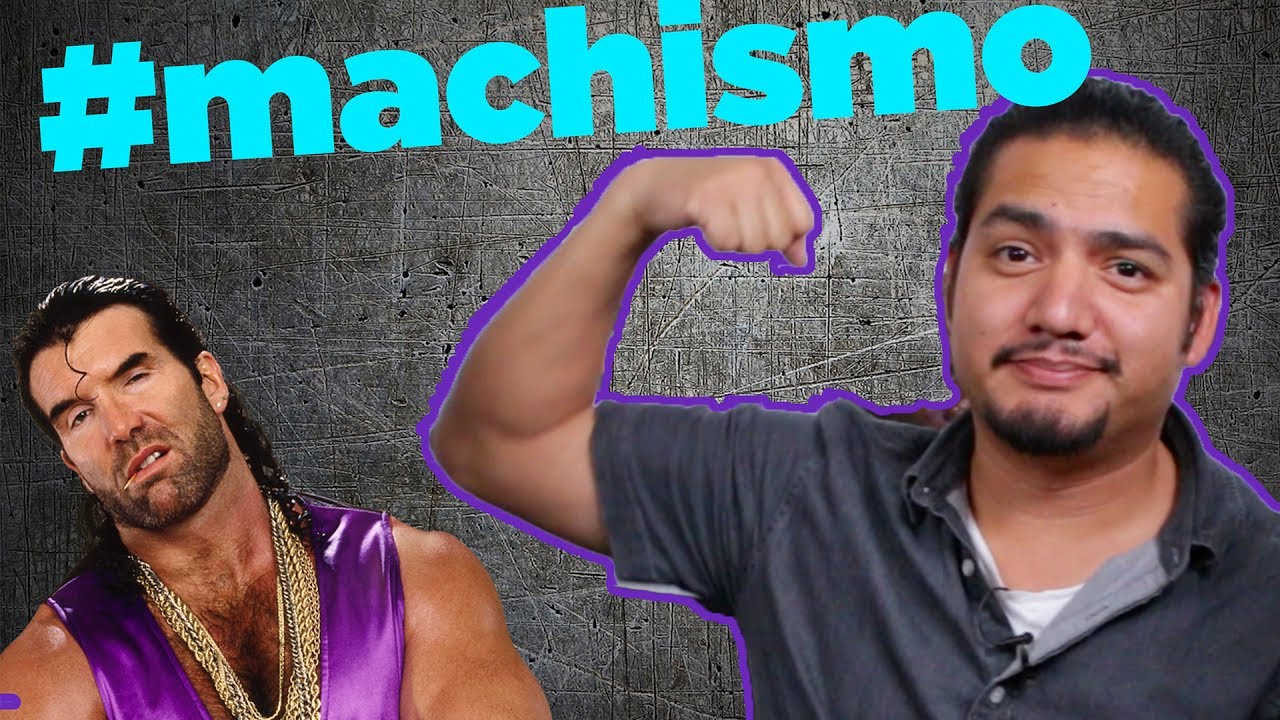
Research has shown that machismo is linked to “negative cognitions and emotions,” such as “depression, anxiety, anger, and cynical hostility.” Traditional masculinity ideologies like machismo have also been linked to elevated mental illness and are “positively associated with anger and aggression.” It’s also associated with “the negative features of hypermasculinity including impulsivity, fierceness, invulnerability, bravado, rudeness, obstinacy, loudness, chauvinism, interpersonal violence directed at other men and women, recklessness, sexual prowess, and proneness to excessive drinking and high tolerance of alcohol,” according to The SAGE Encyclopedia of Abnormal and Clinical Psychology.
Machismo is mirrored by marianismo, a set of ideals and expectations for women that reflect and complement the ideals for men set by machismo. While marianismo is often understood as an internalization of machismo, it’s a parallel system. Together, machismo and marianismo define traditional gender roles in many Latino communities, reinforcing a patriarchal power structure that grants men authority and privileges, while emphasizing “the role of women as family- and home-centered; it encourages passivity, self-sacrifice, and chastity.”
Machismo also appears in parenting styles. Traditionally, many Latino fathers have adopted an authoritarian style—strict, demanding, and less emotionally responsive—reinforced by the expectation of obedience and deference from children. This parenting style has been shown to hinder the academic and emotional development of children, according to a 2016 study from the University of Texas at Austin’s Steve Hicks School of Social Work.
Can Newer Generations of Latino Fathers End Machismo?
While machismo is an acknowledged aspect of Latino culture, newer generations of Latinos are changing what it means to be a “real man.” A growing number of Latino men are pushing back against the emotional rigidity of traditional machismo by embracing caballerismo, which is a model of manhood rooted in emotional warmth, responsibility, and family loyalty. It’s not about rejecting masculinity, it’s about reimagining it as strong enough to be soft, and brave enough to be open.
These shifts are visible in everyday choices. According to a 2023 Pew Research Center study, 18% of stay-at-home parents in the U.S. are fathers, a significant increase from 11% in 1989. Among them, Latino men are well represented, making up 21% of both stay-at-home and working fathers. These numbers reflect a cultural recalibration.
Of course, no cultural shift happens in a vacuum. Unlearning machismo requires community, courage, and confrontation. Men must examine not only what they’ve inherited but what they’ve internalized, and women need to examine their role as explicit or implicit enforcers of outdated gender roles.
Grassroots movements across Latin America and the U.S. are rising to this challenge. For example, the National School for the Unlearning of Machismo in Bogotá, Colombia, uses workshops and storytelling to dismantle harmful gender norms. In Mexico, the organization GENDES provides interventions, group therapy, and workshops for men and boys to critically examine and transform traditional notions of masculinity.
Across the U.S., organizations and advocacy groups, like The Fatherhood Project and A Call to Men, offer workshops, support groups, and public campaigns to promote healthy masculinity and fatherhood, challenge traditional masculinity ideologies, and prevent gender-based violence, which has been linked to machismo.
The Future of Latino Fatherhood
It’s well known that challenging cultural expectations is difficult and requires intentional effort to change. Enabling men to be their authentic selves involves a level of widespread education and spaces that support self-reflection and vulnerability that many are still unfamiliar with or uncomfortable with. The patriarchal nature of society does not currently encourage a level of self-awareness associated with becoming emotionally intelligent.
The backlash to the emerging change in established gender roles, as evidenced by the popularity of self-proclaimed “misogynist influencers” like Andrew Tate and other popular commentators slows down the progress of a more significant cultural shift that occurs when enough people reevaluate their roles within patriarchal systems and decide they no longer want to participate in recreating cycles of harm.
As the cultural expectations of machismo are diminished, it allows Latino men to express their true, authentic selves, and create a culture where Latino fathers areno longer be categorized as cold, distant, and emotionally detached, but instead be known and celebrated for what is known to be true: their great capacity for empathy and love. When the weight of machismo is lifted, what remains is an idea of masculinity rooted not in dominance, but in dignity, care, and mutual respect.
Author

Related Articles
Remembering Abraham Quintanilla, Selena’s Father & Patriarch of Tejano Music
Abraham Isaac Quintanilla Jr., the patriarch behind one of the most enduring legacies in Latin music history and the father of the late Tejano superstar Selena Quintanilla, died on December 13, 2025, in Corpus Christi, Texas. He was 86.

10 Latino Myths to Get Spooked This Halloween
Even if you don’t totally buy into the supernatural, you have to admit—nothing beats the thrill of a good old-fashioned scary story.
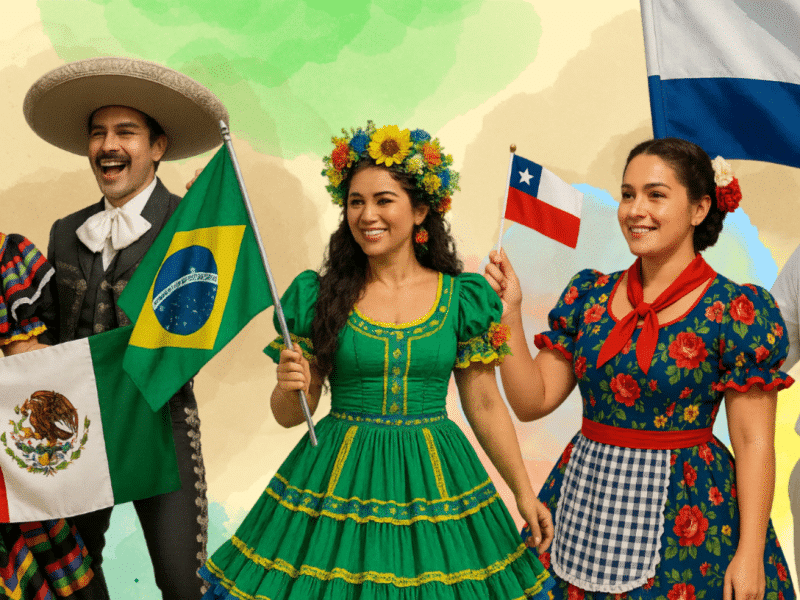
September’s Latino Independence Days: A Month of Freedom
Across Latin America, September is a time of freedom, pride, and remembrance. This month marks the independence of many nations, each with its own powerful story of struggle, resilience, and celebration.