
A Simple Guide to Building a Day of the Dead Ofrenda
Creating an ofrenda, also known as an altar, may feel a bit overwhelming, but it’s simpler than it seems. Discover all the essentials and their meaning.
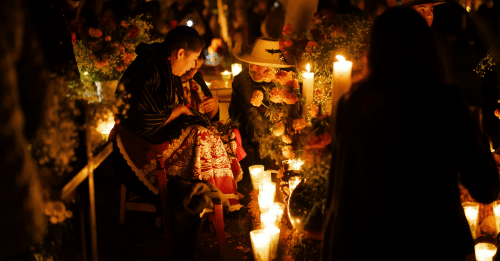
Día de Muertos, observed on November 1 and 2, is a time to remember and honor loved ones who have died, including pets. The tradition as we know it today grew from centuries of Indigenous Mexican practices honoring the dead, later intertwining with Catholic observances introduced during colonization.
At the center of many celebrations is the ofrenda, an altar dedicated to remembering loved ones. Ofrendas can be elaborate or simple, but there isn’t a single right way to build one. Traditions vary across Mexico, between communities, and from family to family.
If you’re getting ready to build your ofrenda, the most important thing is to keep the person you’re honoring at the center. Here are some things to keep in mind:
Start With the Person You’re Remembering
Before worrying about flowers, candles, or how many levels your altar should have, think about who you’re building it for.
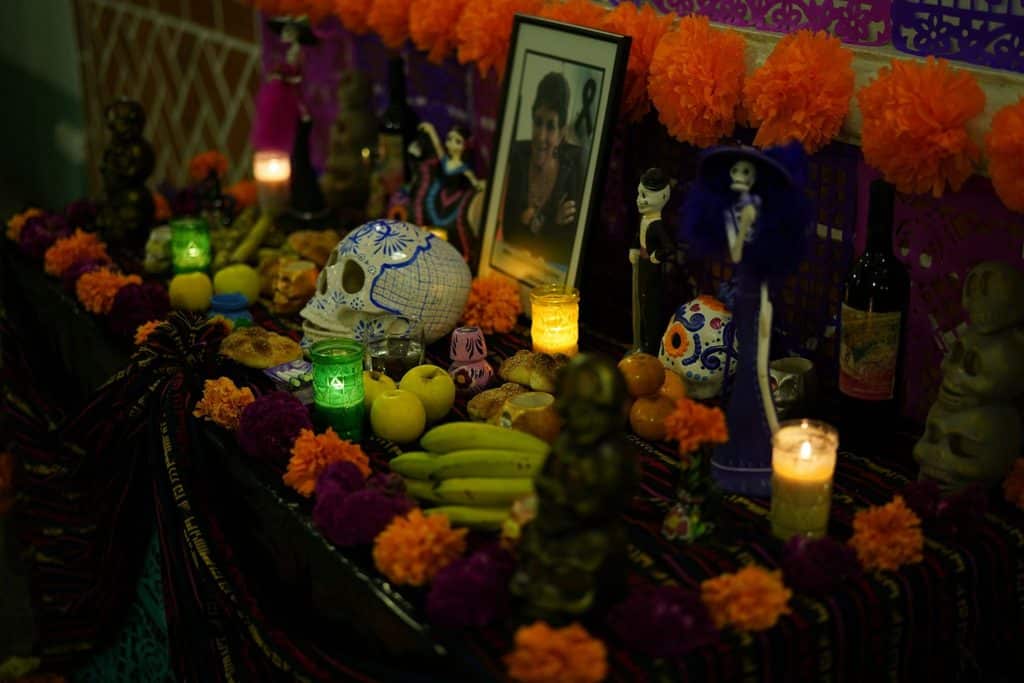
A photograph is often placed at the center of an ofrenda, but if you don’t have one, you can use their name, a letter, or an object that reminds you of them.
Personal items can make an altar feel especially meaningful, so you might include a favorite book, jewelry, a handwritten recipe, a record they loved, a baseball cap, artwork, or something connected to a memory you shared.
The goal is to make a space that reflects who the person was and all the things that made them special.
Add Food and Drinks They Loved
Food is one of the most important parts of many Día de Muertos traditions.
Ofrendas may include pan de muerto, tamales, mole, fruit, chocolate, or other regional foods, but the offerings can also be deeply personal.
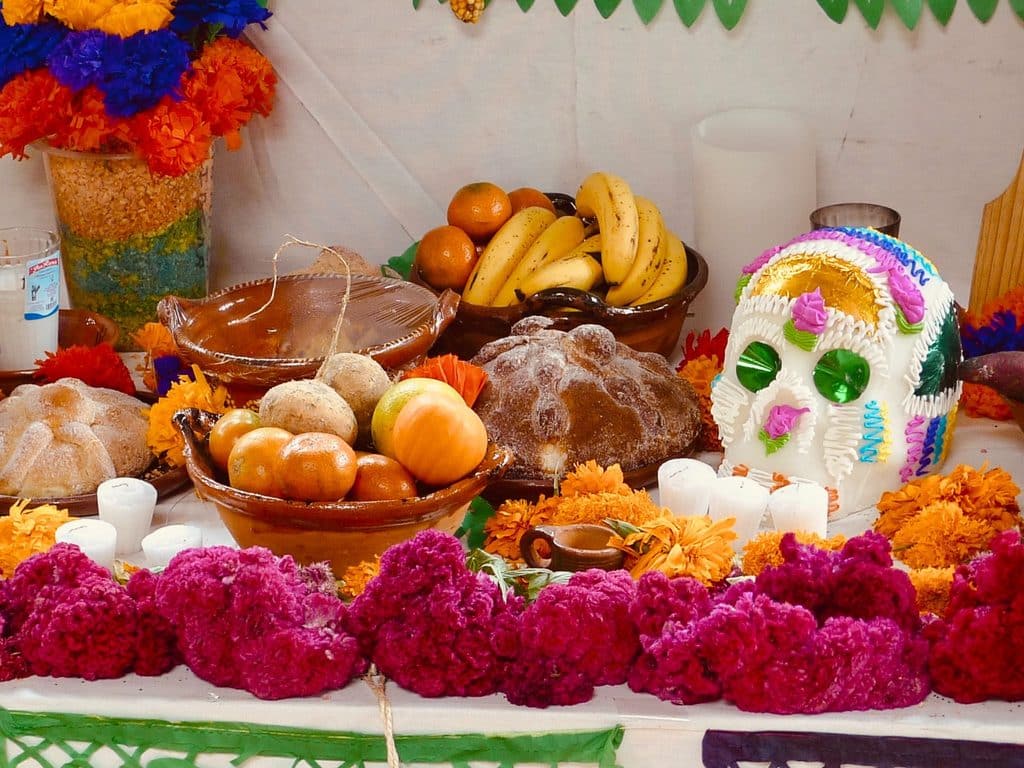

If your abuela always started her day with café, make her a cup. If your tío loved a particular candy or soda, include that in your altar. A favorite meal can say more about someone than a list of traditional items ever could.
A glass of water is also commonly included, traditionally offered to refresh returning souls after their journey.
Include Traditional Elements and Learn What They Mean
Many ofrendas include several recognizable, traditional elements that offer their own meaning. Here are a few of the most common ones:
- Candles are traditionally used to light the way for returning souls.
- Cempasúchil, the bright orange flower commonly associated with Día de Muertos, may be placed on the altar or arranged in a path. Its color and scent are traditionally believed to help guide souls toward the ofrenda.
- Papel picado, the delicate cut-paper banners often seen above altars, can represent air or wind.
- Salt appears in many traditions as a symbol of purification, while copal or incense may be burned as part of cleansing and spiritual rituals.
- Pan de muerto and other foods can represent the earth, while water, candles, and papel picado are sometimes connected to the four elements of water, fire, and wind.
None of these items should feel like a checklist. If something isn’t available to you, your ofrenda won’t be less meaningful because of it. Use what you can, use what you have, and make the person you’re remembering your priority.
Does an Ofrenda Need Different Levels?
Not necessarily.
Some families build altars with two, three, or even seven levels, and the symbolism of those levels can vary by community and region. A three-tiered altar is one common version, and the levels are often understood to represent heaven, earth, and the underworld, though their meaning can vary.
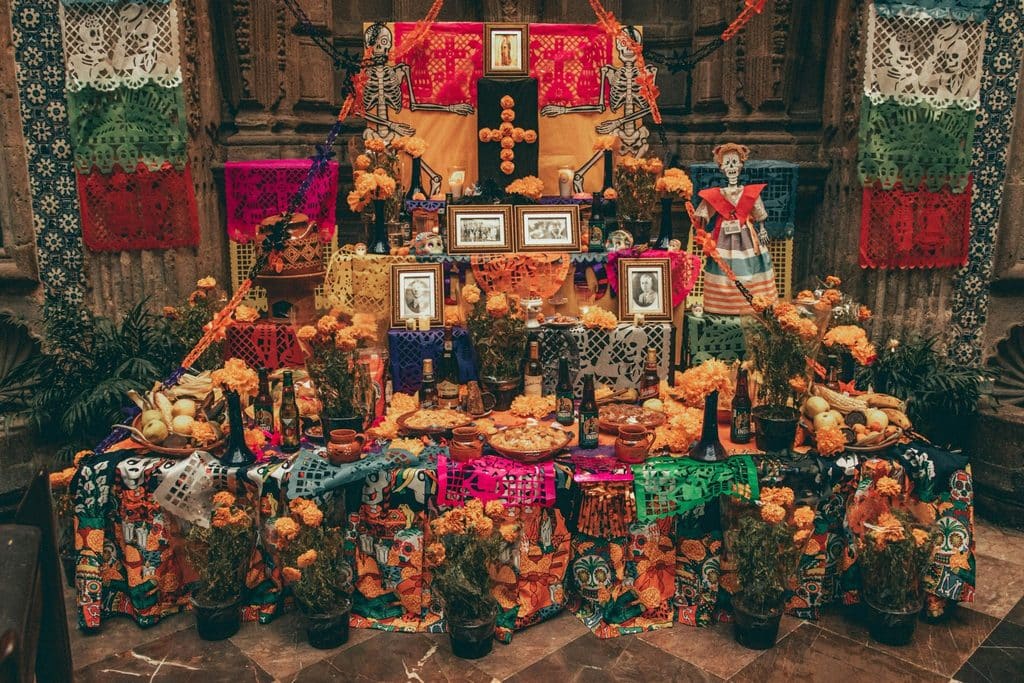
Others use a single table, shelf, or surface, so you don’t need to make an elaborate tiered altar if that’s not realistic for you. A photograph, candle, water, food, flowers, and a few meaningful objects can be enough.
Make Día de los Muertos Special to You
Día de Muertos has become highly recognizable outside Mexico, but an ofrenda is more than colorful decoration.
Let the traditions passed down through your own family guide you! If you’re participating in the tradition for the first time or you didn’t grow up with it, take the time and care to understand what the objects mean and keep remembrance at the center of what you’re doing.
Your ofrenda doesn’t need to look like something you saw online. It should tell a story about the people whose lives you’re honoring, and those people are all unique.
Remember, Day of the Dead is dedicated to honoring the people who’ve left their mark on your life journey. At the end of the day, a photograph or symbol of your loved one, candles, and a table to put everything on is all you really need to build your own ofrenda and celebrate them. What gives it meaning is the memory, care, and intention behind it; make that your priority.
Author

Related Articles
Juneteenth: The Nuance of Latino Privilege and Common Struggle
We explore how Juneteenth can inspire much-needed introspection in the Latino community about the role that privilege and shared struggle play in the continued fight for full equality in the U.S for Black Americans.

From Resistance to Consumerism: The Forgotten Roots of Cinco de Mayo
Cinco de Mayo has become a heavily commercialized celebration, losing its real meaning along the way. No, it’s not Mexican Independence Day, but it is a special day that explains why Mexicans are so profoundly optimistic.
Parentification in the Latino Community: Growing Up Too Fast
Too often, we are loading our kids with grown-up responsibilities. Emotional support, family mediation, you name it—they’re doing it all when they should just be worrying about kid stuff.