
More Than the Alamo: Understanding San Antonio’s UNESCO Missions
The San Antonio Missions hold centuries of stories about culture, survival, faith, colonization, community, and more. We explore the only UNESCO World Heritage Site in Texas and what you can do there.
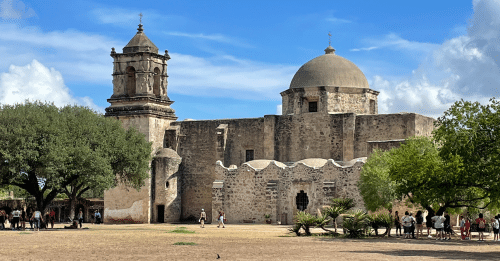

The San Antonio Missions are some of the most visited landmarks in the city, but a lot of people still experience them only in pieces, often starting with the Alamo.
But South of downtown, along the San Antonio River, four additional Spanish colonial missions sit connected by walking trails, old irrigation systems, active churches, and neighborhoods that have carried this history forward for generations.
Together, these five missions form the San Antonio Missions UNESCO World Heritage Site, the only UNESCO World Heritage Site in Texas.
The San Antonio Missions 101
The UNESCO designation includes Mission Concepción, Mission San José, Mission San Juan, Mission Espada, and Mission San Antonio de Valero, better known today as the Alamo.
Built in the early 1700s by Franciscan missionaries during Spain’s colonization of what was then northern New Spain, these missions served as religious, agricultural, and social centers. Indigenous Coahuiltecan‑area peoples lived and worked within the mission system, which reshaped life, labor, language, religion, and culture across the region.
The San Antonio Missions are also the largest and most intact concentration of Spanish colonial mission complexes in the United States, with original churches, living quarters, defensive walls, granaries, and irrigation systems still standing centuries later.
But for San Antonio, the missions are more than a museum display. Three of the churches still hold regular Catholic services. People bike past them on weekend rides, attend Mass, or gather nearby for community events. The missions aren’t frozen behind glass; they’re a living part of everyday life on the city’s South Side.
Walking Through the Missions Today: Things to Do
One of the best ways to experience the missions is slowly.
Mission Reach
The Mission Reach section of the San Antonio River connects all five sites through a paved Hike & Bike Trail that stretches about 15–30 kilometers along the river, depending on where you start and end. Walking or biking between missions changes the rhythm of the experience, letting visitors move through river landscapes, neighborhoods, native plants, and old acequias that still shape the area centuries later.
Mission Concepción
Mission Concepción is often where visitors first grasp the scale and age of the system. It is one of the oldest unrestored stone churches in the United States, and traces of original frescoes still remain inside. The space feels quiet and grounded, especially during weekday mornings when locals stop in for prayer or reflection. Visitors can step inside the church, walk the surrounding grounds, attend Mass, or simply sit quietly and take in the architecture.
Mission San José
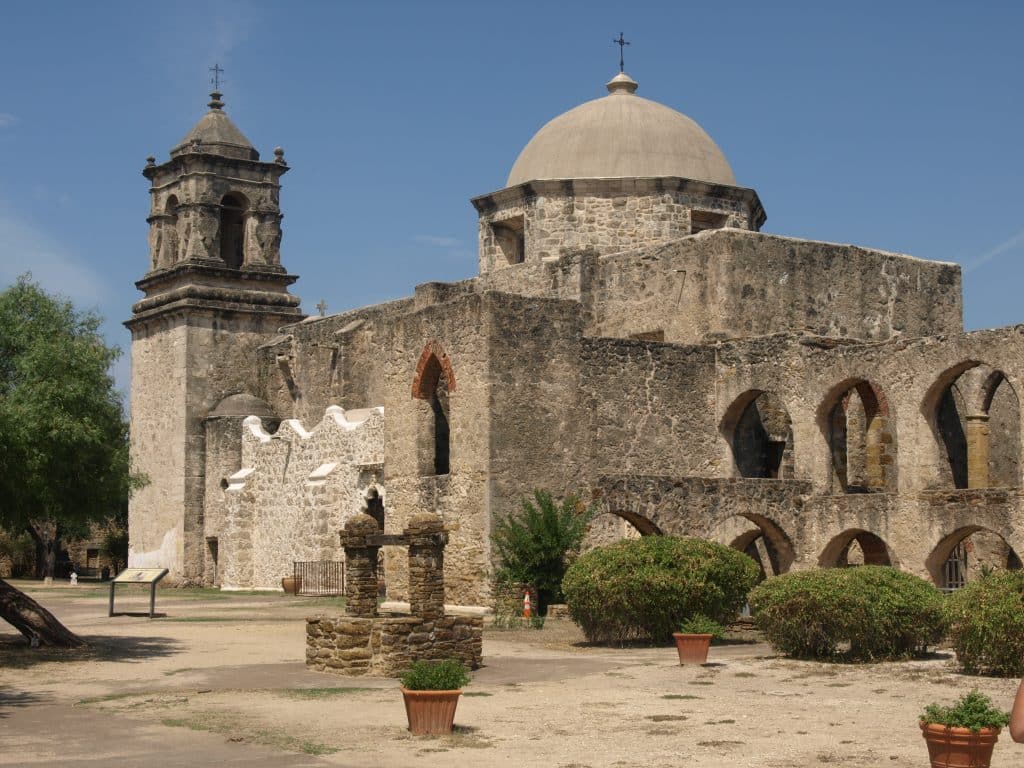

Further south, Mission San José reveals how expansive mission life once was. Known as the “Queen of the Missions,” the site includes original living quarters, workshops, defensive walls, and the famous Rose Window carved into the church façade. It is also home to the main visitor center, where guests can watch Gente de Razón, a 23‑minute park film exploring the lives of the people who built and lived within the missions. Ranger‑led tours regularly begin here, making it one of the best stops for visitors wanting deeper historical context.
Mission San Juan
Mission San Juan offers a different atmosphere entirely. Surrounded by historic farmlands and irrigation systems, it gives visitors a clearer sense of the agricultural labor that sustained mission communities day to day. Compared with the larger missions, San Juan feels quieter and more open, making it one of the most peaceful stops along the trail. It is a good place for slower walks, bird‑watching, photography, or simply spending time outdoors with friends, family, or a good book.
Mission Espada
Mission Espada rounds out the park experience, where one of the oldest functioning aqueduct systems in the country still stands. The Espada Acequia, along with the Eyrie dam and Espada Aqueduct, remains one of the clearest examples of the engineering that allowed these communities to survive and farm in South Texas centuries ago. Visitors can walk near the aqueduct, explore the smaller chapel and grounds, and get a closer look at how water shaped life across the mission system.
More Than a History Lesson
With or without a formal tour, the missions tend to leave an impression because they hold so many layers of San Antonio’s identity in one place.
They tell the story of Spanish colonization and Catholic expansion. They also tell the story of Indigenous displacement, adaptation, labor, survival, and the cultural blending that shaped modern San Antonio over generations. Descendant communities connected to the missions include Indigenous Nations, Canary Islander descendants, Mexican American families, and other communities whose histories remain tied to the area today.
That complexity is part of what makes the missions feel different from many historic sites.
Author

Related Articles

World Cup Fever Has Hit San Antonio: Your Guide to Local Watch Parties
Whether you’re following your national team or simply looking for a good place to catch the action, here are some of the best World Cup watch parties in San Antonio.
Juneteenth in San Antonio: 5 Events to Add to Your Calendar
Across San Antonio, Juneteenth is celebrated through music, food, education, storytelling, wellness events, and community gatherings that honor both history and culture.

Discover the San Antonio Thrift Stores Locals Love
Good thrifting is part luck, part patience, and part knowing where to go. San Antonio has plenty of spots worth digging through.