
As San Antonio’s Data Center Industry Grows, So Do Questions About Its Impact
A $157 million data center on San Antonio’s far West Side has sparked an important conversation. We break down what the facility does, why it’s generating debate, and what city leaders are considering next.
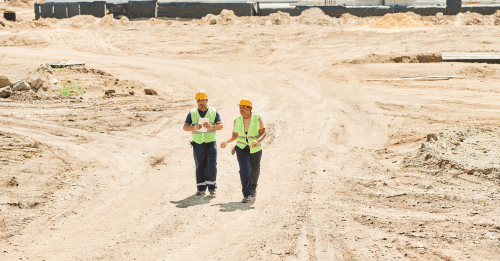
A public hearing about a new data center on San Antonio’s far West Side drew dozens of residents last month, but the conversation quickly grew beyond a single building.
Many attendees arrived with questions about noise, water use, air quality, energy consumption, and what the rapid growth of data centers could mean for their neighborhoods. Others wanted to understand a basic question: what exactly do these facilities do, and why are so many being built in San Antonio?
What Is the West Side Data Center?
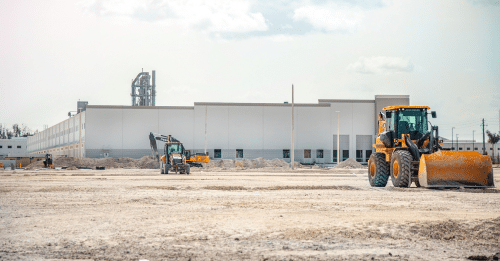
The facility at the center of this discussion is a three-story, 360,000-square-foot data center located at 5207 Rogers Road on the city’s far West Side.
The project cost approximately $157 million and is already partially operational while awaiting final approval of an air-quality permit from the Texas Commission on Environmental Quality (TCEQ).
Data centers are specialized facilities that house servers and networking equipment used to store, process, and distribute digital information. They support everything from cloud storage and streaming services to online banking, artificial intelligence(AI) tools, and business software.
While Vantage hasn’t publicly identified the companies using the facility, representatives told attendees the center serves large cloud-computing providers often referred to as “hyperscalers,” which are technology companies that power much of the internet and digital services people rely on every day.
Why San Antonio Is Attracting Data Centers
San Antonio has become increasingly attractive to data center operators for several reasons. The region offers available land, a growing population, access to major fiber-optic networks, and relatively affordable development costs compared to other technology hubs.
Texas has also emerged as one of the country’s fastest-growing markets for digital infrastructure as demand for cloud computing and artificial intelligence continues to rise.
That growth has brought significant investment to the area, but it has also raised new questions about how large-scale technology infrastructure fits into rapidly developing communities. The West Side hearing highlighted many of those concerns.
What Residents Are Asking About
As reported by San Antonio Current, residents who attended the hearing raised concerns about a range of issues, including air emissions from backup generators, noise levels, lighting, traffic, energy consumption, and potential impacts on local water resources.
Some residents also expressed frustration that they felt unaware of the project until construction was already well underway. Others questioned how the cumulative impact of multiple data centers could affect the area over time.
Several attendees pointed to changes in the surrounding landscape, including the clearing of previously undeveloped land, while environmental advocates raised broader questions about transparency and long-term resource use. Water was also a main topic of discussion.
As AI and cloud computing expand, data centers have drawn increased scrutiny nationwide because of the resources required to cool and power large server operations. Vantage representatives told attendees that the facility uses a closed-loop cooling system that requires little ongoing water consumption. Environmental groups, however, called for additional information about the facility’s overall environmental footprint.
The facility’s backup diesel generators also became a focal point of discussion. While such systems are commonly used throughout the industry to provide emergency power during outages, some residents questioned how often they could be operated and what impact emissions might have on nearby neighborhoods.
A Conversation Happening Beyond San Antonio
The questions raised at the hearing aren’t unique to San Antonio. Across the country, communities are debating how to balance the economic benefits of data centers with concerns about energy demand, water use, land development, and quality of life.
Environmental organizations, including the Greater Edwards Aquifer Alliance and Public Citizen, have called for greater transparency and oversight as the industry continues expanding in Texas.
As more businesses, governments, and consumers rely on cloud-based technology, demand for these facilities is expected to continue growing.
What City Leaders Are Considering
The issue has also reached City Hall.
District 6 Councilmember Ric Galvan recently filed a Council Consideration Request (CCR) asking the city to study the broader impact of data centers on San Antonio’s water supply, electric grid, neighborhoods, and long-term planning. Galvan said the rapid expansion of data centers has outpaced existing public policy discussions and that the city should better understand the implications of future growth.
However, city officials have also noted that the Rogers Road facility was built on property already zoned for the appropriate commercial use, limiting the city’s ability to intervene once the project entered the permitting process.
What’s Next?
The immediate question facing regulators is whether the Texas Commission on Environmental Quality will approve the facility’s pending air-quality permit.
Public comments submitted during the hearing will become part of that review process.
Beyond the permit decision, the West Side facility has become a focal point for a larger discussion taking place across San Antonio: how to accommodate new industries and investment while ensuring residents understand and have a voice in the changes happening around them.
Author

Related Articles

ICE Arrests in San Antonio Surge to Fourth-Highest in U.S.
The San Antonio ICE field office recorded 5,860 arrests over 81 days, putting it fourth among ICE field offices nationwide.
San Antonio ICE Detention Center Opponents Turn to Possible Legal Action
Opposition to San Antonio’s planned ICE detention center may be heading to court after months of protests and unanswered questions.

The Pearl Is Expanding Again: Here’s What San Antonio Can Expect
The Pearl is entering its next phase: more retail, more walking, more reasons to stay beyond brunch and dinner.