
Inside the Flock Surveillance Network and What It Means for Immigrants
You may have driven past a Flock camera without even noticing it. But where does the information it collects actually go?
This is Part 1 of a two-part series on Flock cameras, surveillance, and immigration enforcement.
.jpg)
You may have driven past one without noticing it.
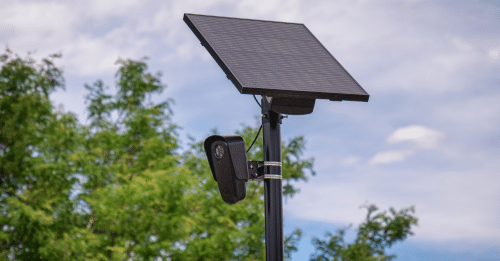
Mounted on poles near intersections, neighborhood entrances, and busy roads, Flock Safety cameras automatically capture images and license plate information from vehicles that pass within their field of view. Police departments use the technology to search for stolen cars, locate missing people, and investigate crimes.
But the rapidly growing network of automated license plate readers, or ALPRs, is also raising another question: Who else can use all of that location data?
For Latino drivers and families, that question can begin with an ordinary trip to work, school, or the grocery store. A camera records a vehicle passing through a particular place at a particular time. Understanding what happens to that record starts with understanding the technology itself.
What Exactly Is a Flock Camera?
Flock Safety operates one of the largest automated license plate reader networks in the U.S., with the company reporting more than 120,000 cameras across 49 states as of July 2026. Independent mapping projects have documented more than 111,000 Flock cameras nationwide.
Unlike a red-light camera, which is generally activated when a traffic violation occurs, an automated license plate reader continuously captures information from vehicles that pass within its view.
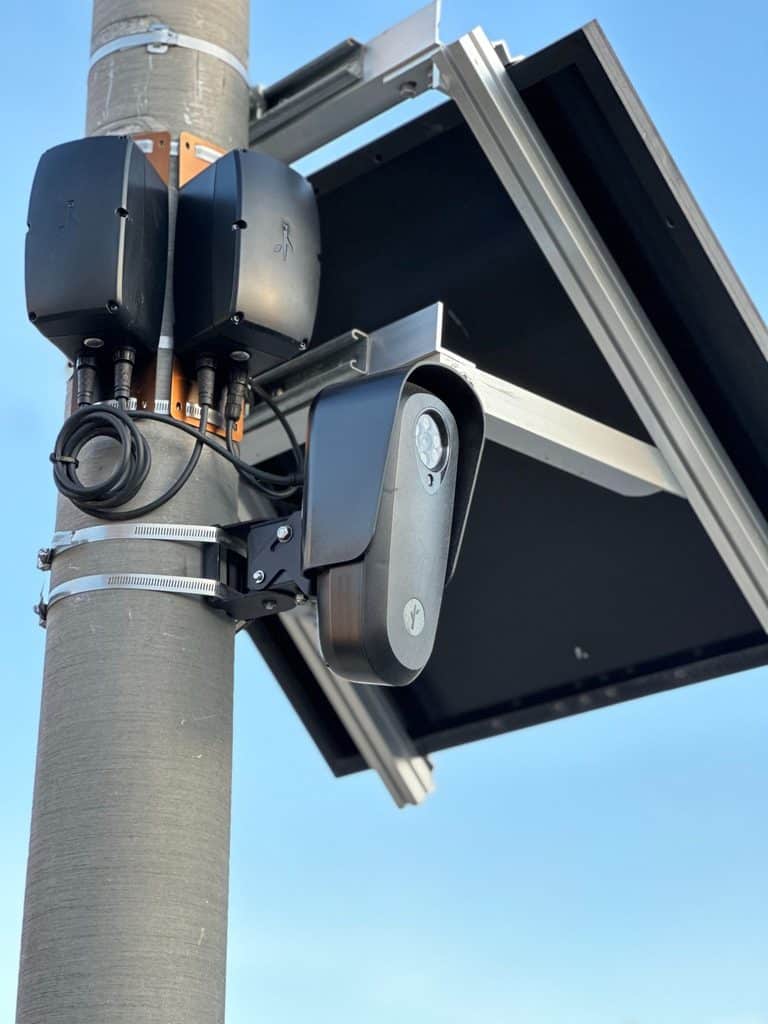

The cameras photograph vehicles and record details including license plate numbers, the time and location of a vehicle sighting, and certain vehicle characteristics. According to Flock, its license plate reader cameras don’t use facial recognition and don’t provide the company with names, addresses, or other information from motor vehicle databases.
That doesn’t mean the data is anonymous in practice.
If law enforcement has a license plate number connected to a vehicle it is investigating, authorized users can search Flock data available to their agency for sightings of that plate.
That ability makes license plate readers useful for investigating stolen vehicles or identifying the movements of a vehicle connected to a crime. But civil liberties groups, including the American Civil Liberties Union and Electronic Frontier Foundation, argue that ALPR systems also collect large amounts of location data on people who aren’t suspected of wrongdoing and can be used to reconstruct where they’ve traveled over time.
In April 2026, the ACLU, ACLU of Virginia, and Electronic Frontier Foundation filed a brief in an ongoing federal court case challenging Norfolk, Virginia’s use of Flock cameras. The groups argue that interconnected ALPR systems can allow law enforcement to conduct retrospective searches of a person’s movements across jurisdictions.
How Long Does Flock Keep Your License Plate Data?
That depends on the agency using the system.
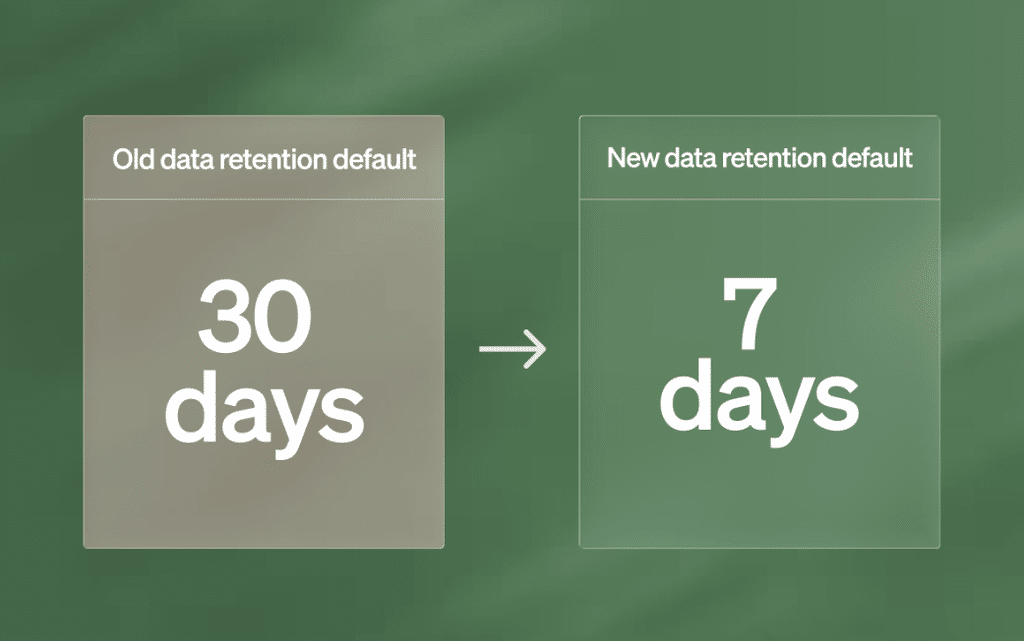
Flock previously commonly operated with a 30-day default retention period, meaning vehicle sightings would generally be automatically deleted after that window unless preserved for an investigation.
In August 2026, Flock announced that it was changing its recommendation and default retention period for new customers to seven days. Existing customers can continue using retention periods they have already approved. Agencies that adopt the seven-day standard can also preserve specific records connected to active investigations through what Flock calls “Evidence Mode.”
Flock says searches conducted through its system are recorded in audit logs and that its auditing tools can flag unusual activity for administrators to review.
The next question is who can search the information it collects, including whether a local agency can use it in response to an immigration enforcement request.
In Part 2 of this two-part series on Flock cameras, surveillance, and immigration enforcement, we will explore this question.
Author

Related Articles

Trump Bars CNN, MS NOW and Politico Reporters From the White House
President Trump has barred CNN, MS NOW and Politico reporters from the White House. Now, all three outlets are taking the administration to court.

The Latina-Led Women’s March That Confronted Fascism in 1937: A Lost Chapter of U.S. History
In 1937, 5,000 women marched through Tampa’s Ybor City to confront fascism in what would become one of the largest political demonstrations led by Latinas in U.S. history. Yet, few know about it.

The Rise of Propaganda and How to Spot It
Propaganda today doesn’t look like it used to, and it’s getting harder to separate fact from manipulation. These strategies will help.