
Behind Closed Doors: The Escalating Crisis of Domestic Violence in the U.S.
We explore the growing crisis of domestic violence in the U.S. and the resources available for anyone ready to take the first step toward safety.
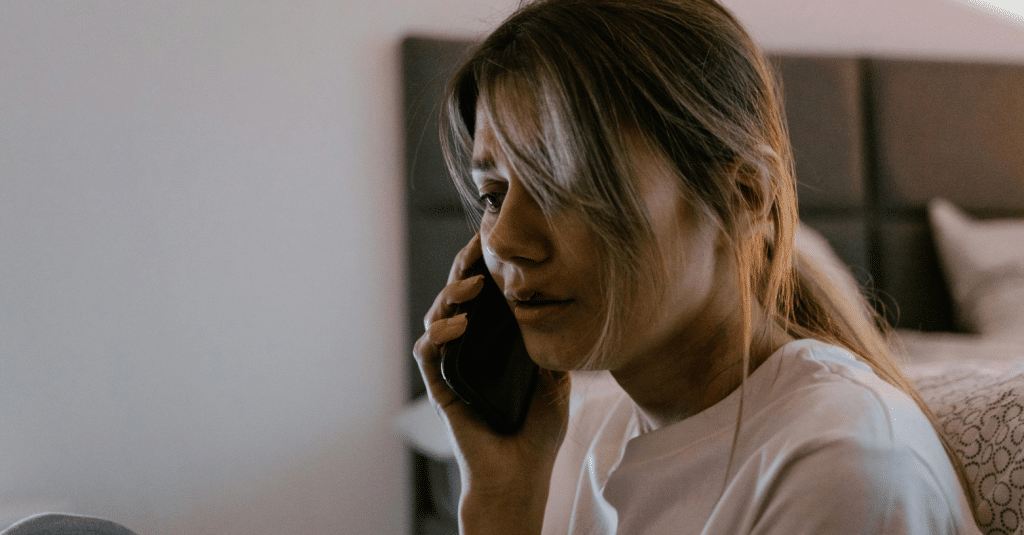
Domestic violence (DV) is a crisis that touches millions of lives every year, most of them women. The National Coalition Against Domestic Violence (NCADV) estimates that every single minute, about 24 people are “victims of rape, physical violence, or stalking by an intimate partner” in the U.S. This translates to more than 12 million women and men experiencing domestic violence each year. The problem of domestic violence also includes psychological aggression, which half of all women and men in the U.S. have experienced.
The latest data from the Council on Criminal Justice is equally sobering: domestic violence was the only type of criminal offense to increase in the first half of 2025, rising by 3% compared to the same period in 2024. The numbers don’t lie; domestic violence can affect anyone. If you or someone you know is experiencing domestic violence, reaching out is a brave first step, and help is available every step of the way. Many organizations across the U.S. are ready to provide support, safety, and hope to victims in need.
National Hotlines and Specialized Hotlines
When you’re not sure where to start, the National Domestic Violence Hotline can be a lifeline. This hotline provides 24/7 confidential support and resources for victims and survivors of domestic violence. You can reach them at 1-800-799-SAFE (7233), text START to 88788, or visit their online chat to access immediate assistance or advice on your options from trained advocates. You can also contact the National Sexual Assault Hotline, which provides 24/7 support for rape and sexual violence survivors. Reach them at 1-800-656-HOPE (4673), text HOPE to 64673, or visit their online chat. You can also contact the Crisis Text Line by texting HOME to 741741, which offers 24/7 crisis counseling via text.
Domestic violence affects people from all backgrounds, and some communities face unique challenges. Specialized hotlines offer culturally sensitive and specific resources tailored to these needs. For example, the StrongHearts Native Helpline provides support specifically for Native American and Alaska Native survivors at 1-844-762-8483, and you can learn more at strongheartshelpline.org. Additionally, the Deaf Hotline by ADWAS serves Deaf survivors of domestic violence, reachable through videophone at 1-855-812-1001 or adwas.org. These specialized services ensure that all survivors receive support that resonates with their individual experiences.
Shelters and Safe Houses for Victims and Survivors of DV
If you’re in immediate danger or need temporary refuge, local domestic violence shelters and safe houses offer a secure environment. They’re dedicated to helping victims and survivors of domestic violence, and are often located in undisclosed locations to protect residents. These organizations may also provide comprehensive support services, including counseling, legal advocacy, and resources for finding long-term housing.
The National Domestic Violence Hotline can help you find shelters in your area, and the organization Domestic Shelters can also help you find shelters or programs near you. Beyond immediate shelter, finding long-term housing is a vital step for survivors aiming to rebuild their lives. Programs such as Section 8 Housing Vouchers offer financial assistance for safe and affordable housing. Nonprofit organizations like Safe Horizon also provide housing support to help survivors transition into permanent residences.
Legal Assistance and Protection Orders

Navigating the legal system can be daunting as a victim and survivor of domestic violence, but there are ways it can help. For example, protection orders can legally prevent an abuser from contacting or approaching you. Violating a protection order is a criminal offense across the U.S., and it’s punishable by fines and imprisonment, which is why enforcement is essential. Many states offer free or low-cost legal aid to assist with filing these protection orders, as well as other legal matters like custody or divorce.
WomensLaw.org is an excellent resource to learn about your legal options. This organization is dedicated to providing a wealth of information to support “all victims and survivors of domestic violence, sexual assault, or stalking who are wanting to end an abusive relationship and often navigating the legal system on their own.” Their website offers resources regarding abuse and how to recognize it, legal information, safety planning, preparing for court, and more. They also offer an email hotline to answer legal questions and provide useful legal information.
Counseling, Mental Health Support, and Support Groups
Surviving domestic violence can leave lasting emotional scars, making mental health care a crucial part of recovery. Many shelters provide free or low-cost counseling, and community health centers also offer therapy services on a sliding scale. The National Alliance on Mental Illness (NAMI) is a helpful resource, offering peer support groups and mental health resources tailored to survivors. Other resources include the National Domestic Violence Hotline, which can help you find crisis support and counseling, and Psychology Today, which has a directory of domestic abuse therapists. Accessing mental health support can be a powerful step toward healing as it helps survivors process trauma, manage anxiety, and rebuild their sense of self.
Support groups and peer counseling services can also be very healing and empowering because they allow survivors to share their stories, listen to others, and gain a sense of community. Many local shelters and advocacy centers run in-person support groups facilitated by trained professionals. For those who can’t attend in person, online communities like WomenSV provide virtual support spaces for survivors.
Resources for Latina Survivors
For Latina survivors, there are culturally specific organizations that provide tailored support. Esperanza United, formerly known as Casa de Esperanza, mobilizes Latine communities to end gender-based violence and offers a 24-hour bilingual crisis line in Minnesota (651-772-1611). Voces Latinas, an organization dedicated to reducing the rate of HIV transmission and violence among immigrants, also offers domestic violence support.
Latina SafeHouse in Denver provides bilingual counseling, self-sufficiency programs, and advocacy services for survivors and their families. In Chicago, Mujeres Latinas en Acción offers crisis hotlines, legal advocacy, and counseling. These and other available resources ensure that Latina survivors have access to services that understand and respect their cultural needs.
Author

Related Articles
Eight Latin American Indigenous Women Activists You Should Know About
To celebrate Indigenous Peoples’ Day, we’re highlighting eight women whose activism has made an impact in their communities and far beyond them.

Latino Heritage Month: 30 Micro-Actions to Make a Big Impact
Latino Heritage Month, observed from September 15 to October 15, is a celebration that can be turned into impact through small yet intentional, everyday choices.

9/11 Changed Everything and Its Echoes Are Louder Under Trump’s America
It’s been 25 years, but the legacy of 9/11 has shaped the way we travel, the surveillance we accept, and the policies we live under. We explore the lasting impacts and how they echo in 2026.