
San Antonio’s Proposed $4.4 Billion Budget, Explained: What Could Change for You
San Antonio’s proposed $4.4 billion budget could affect residents in plenty of everyday ways, and while none of it is final yet, it’s important for residents to stay informed.
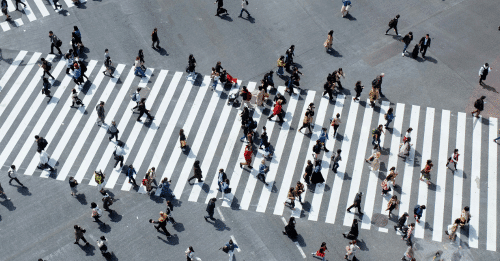
City budgets can feel distant from everyday life until you notice how they affect your property tax bill, the price of an ambulance ride, your neighborhood library, or what you pay to park at the airport.
San Antonio is considering a $4.41 billion budget presented by City Manager Erik Walsh to City Council that could mean higher property taxes and city fees, cuts to some services, and new investments in streets, housing, public safety, and parks.
Here’s what residents need to know.
Why Does San Antonio Have a Budget Shortfall?
The proposed budget comes as the city faces a projected General Fund shortfall of nearly $158 million through fiscal year 2028.
According to the City of San Antonio, rising costs, lower property values, and state limits on local revenue growth are contributing to the gap. Local reporting has also pointed to slower sales tax collections and shrinking property tax revenue.
The General Fund pays for many everyday city services, including police, fire, streets, parks, and libraries. To help close the gap, the proposal includes $89.6 million in spending reductions over two years, along with higher fees and a property-tax rate increase.
Will Property Taxes Increase?
If City Council approves the proposed tax rate, homeowners could pay more.
The city wants to raise its property-tax rate from 54.159 cents to 56.288 cents per $100 of taxable value. The city estimates that would cost the average homeowner about $35 more per year, or $2.95 per month.
It would be San Antonio’s first property-tax rate increase in more than 30 years.
The city would continue an estimated $156.4 million in property-tax relief through homestead exemptions and tax freezes for seniors and homeowners with disabilities.
If City Council rejects the tax increase, officials would need to find roughly another $29 million in cuts.
What Everyday Fees Could Cost More?
This is where the budget could affect people who don’t own a home, too.
The proposal includes more than 140 changes to fees, permits, and other revenue sources, which could generate nearly $99 million across multiple city funds over two years.
Among the changes residents may encounter:
- Trash: At least $1.25 more per month through higher cart and environmental fees.
- Ambulance transportation: The city’s EMS charge would rise from $1,500 to $1,700. A patient’s actual out-of-pocket cost can vary depending on insurance and other factors.
- Airport parking: Long-term parking could increase by $4 per day and short-term parking by $1.
- Lost library books: Borrowers could pay the full replacement price instead of the current $10 maximum.
- Nonresident library cards: A new $20 fee.
- Sports-field reservations: Residents could pay $25, up from $12-$16.
- Garage-sale permits: $16 to $20.
- Alamodome parking: The current $10–$60 range could increase to $15-$75.
Other proposed increases affect short-term rental permits, dangerous-dog licenses, SAPD background checks, and additional city services. The city is also considering a 3% credit-card administrative fee for certain payments, although exactly which transactions would be subject to it hasn’t been finalized.
Which City Services Could Be Reduced?
The proposal would eliminate 101 city positions, 54 of which are currently filled, according to the San Antonio Express-News. Libraries could lose 39 positions, while reductions at Metro Health could affect programs including maternal health services.
Three part-time senior nutrition sites, Darner, South San, and Harlandale Briar, would also close. The city says each is within five miles of a full-service senior center.
At the same time, the budget continues significant spending elsewhere. The proposal includes $129.8 million for street maintenance, $37.7 million for affordable housing, and $30.8 million for homelessness services.
Public safety remains a major expense, with $676.5 million proposed for SAPD and $451.2 million for the Fire Department. Parks would receive $71.1 million, including $3.8 million for shade structures at 12 playgrounds, while Animal Care Services would receive $38 million from the General Fund.
Libraries would still receive $58.1 million from the General Fund despite the proposed staffing reductions, including funding for the Carver Branch expansion, safety improvements, and 164 replacement public computers.
You can explore the city’s full breakdown of proposed spending through the FY 2027 Proposed Budget.
Is Any of This Final?
No. City Council can still change the proposed taxes, fees, cuts, and spending before adopting the final budget.
The final vote is scheduled for September 17, and the new fiscal year begins October 1.
How Can San Antonio Residents Weigh In?
Residents still have opportunities to tell city leaders what they think.
The city will hold two formal public hearings on both the proposed property-tax rate and FY 2027 budget at City Council Chambers, 114 W. Commerce St. The first is September 2 at 5 p.m., and the second is September 10 at 9 a.m.
With nearly a month between the release of the proposal and City Council’s final vote, San Antonians still have time to follow the debate, ask questions, and see which parts of the $4.4 billion plan ultimately make it into the city’s final budget.
Author

Related Articles
The Pearl Is Expanding Again: Here’s What San Antonio Can Expect
The Pearl is entering its next phase: more retail, more walking, more reasons to stay beyond brunch and dinner.

ICE Moves Forward With East Side Detention Center Despite Community Opposition
ICE is moving forward with plans for a new detention center on San Antonio’s East Side despite months of opposition from city leaders and residents.
San Antonio Votes to Restore Durango Boulevard After César Chávez Abuse Allegations
After 15 years as César E. Chávez Boulevard, one of San Antonio’s oldest street names is coming back.