
Texas Turns Blue: The Biggest Takeaways From the 2026 Midterms
Gina Hinojosa became the state’s first Latina governor, Democrats won major statewide races, several congressional seats changed hands, and San Antonio saw big changes, too.
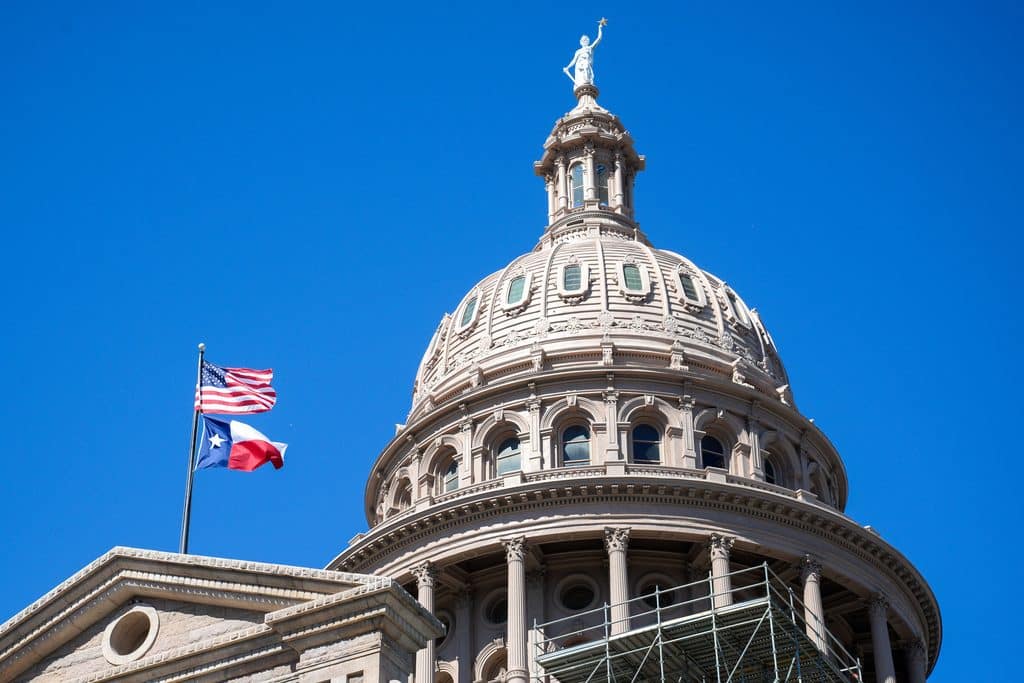
Texas made history in the 2026 midterms, electing its first Latina governor and flipping key Republican-held seats. Democrats also won control of Congress, while San Antonio voters delivered major changes in local races.
Here’s a breakdown of the biggest results and what they mean for Texas and its Latino communities.
Texas Elects Its First Latina Governor: Who Is Gina Hinojosa?
For the first time in Texas history, a Latina will lead the state as the first Democrat elected Texas governor since Ann Richards won in 1990.
Democrat Gina Hinojosa defeated Republican Gov. Greg Abbott to become Texas’ first Latina governor. Hinojosa, 52, grew up in Brownsville, in the Rio Grande Valley. Before entering state politics, she worked as a civil rights and labor attorney.
Hinojosa’s political career began in education. When her son’s elementary school faced possible closure in 2012, she ran for the Austin Independent School District board and later became its president. She was elected to the Texas House in 2016, building much of her legislative career around public education.
Hinojosa campaigned on changes to education policy, household affordability, and government accountability.
What could her victory mean for immigration enforcement?
Immigration policy represents a significant difference between Hinojosa and Abbott.
During his governorship, Abbott made border enforcement a defining political priority. His administration launched Operation Lone Star, expanded state border security efforts, installed barriers along the Texas-Mexico border, and transported migrants to Democratic-led cities.
Hinojosa has criticized aggressive immigration enforcement tactics supported by Abbott and raised concerns about privately operated immigration detention facilities.
For immigrant families across Texas, the practical impact of Hinojosa’s election will depend on which state enforcement policies she changes, which programs remain in place, and how her administration works with federal agencies.
Democrats Break Through in Texas Statewide Races
Hinojosa’s victory was part of a broader Democratic breakthrough in Texas.
For decades, Democrats struggled to win statewide elections. The party hadn’t elected a Texas governor since 1990 or won a U.S. Senate election in the state since 1988.
Both streaks ended on November 3, 2026.
The victories of Hinojosa and Democratic state Rep. James Talarico, who defeated Republican Attorney General Ken Paxton in the U.S. Senate race, mark a major political shift in a state Republicans have dominated for decades.
Democrats also won the races for lieutenant governor and attorney general, along with other statewide offices. Their gains extended into congressional districts and the Texas House, including several competitive races in South Texas.
Democrats Win Control of Congress: What Changes in Washington?
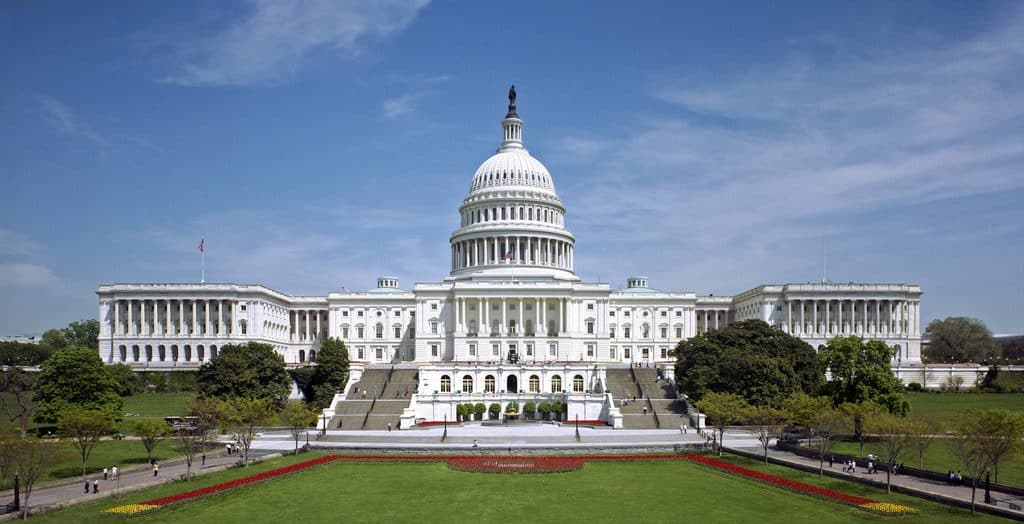
The political shift extended well beyond Texas.
Democrats have won control of both the U.S. House of Representatives and the Senate, positioning the party to take control of Congress when the newly elected members begin their terms.
The U.S. Senate
Democrats entered the election facing a Republican-controlled Senate, with Republicans holding 53 seats and Democrats and their independent allies holding 47.
Democrats flipped Senate seats in Texas, Iowa, Kansas, Maine, North Carolina, Ohio, and South Carolina.
Democratic control of the Senate will give the party a stronger position to scrutinize the administration and shape the Senate’s consideration of legislation and nominations.
The U.S. House of Representatives
Democrats also won enough races to regain control of the House.
Texas contributed to those gains through competitive congressional races, including:
- District 15: Democrat Bobby Pulido defeated Republican incumbent Monica De La Cruz, flipping a South Texas seat.
- District 23: Democrat Katy Padilla Stout defeated Republican Brandon Herrera, winning a Republican-held district.
- District 35: Democrat Johnny Garcia defeated Republican Carlos De La Cruz.
Notable Latino Victories in the 2026 Midterms
The 2026 election also brought significant victories for Latino and Latina candidates across the country, including both Democrats and Republicans.
Alongside Hinojosa’s historic election in Texas, several candidates won major statewide offices, secured congressional seats, or defeated incumbents.
Among the notable victories:
- Xavier Becerra, California: The former U.S. health and human services secretary defeated Republican Steve Hilton in California’s gubernatorial election. Becerra will be California’s first Latino governor in more than a century.
- Ben Ray Luján, New Mexico: The Democratic senator won reelection against Republican Larry E. Marker.
- Bobby Pulido, Texas: The Tejano singer and Democratic candidate defeated Republican incumbent Monica De La Cruz in Congressional District 15.
- Johnny Garcia, Texas: The Democrat won Congressional District 35, defeating Republican Carlos De La Cruz in a closely watched race shaped by redistricting.
- Joaquin Castro, Texas: The longtime Democratic congressman won reelection in District 20, continuing his representation of San Antonio.
- Henry Cuellar and Vicente Gonzalez, Texas: Both retained their South Texas congressional seats.
- Carlos Giménez, Florida: The Republican congressman won reelection in Florida’s 28th Congressional District, defeating Democrat Phil Ehr and independent Eddy Rojas.
San Antonio Election Results: Who Won and What Changes Locally?
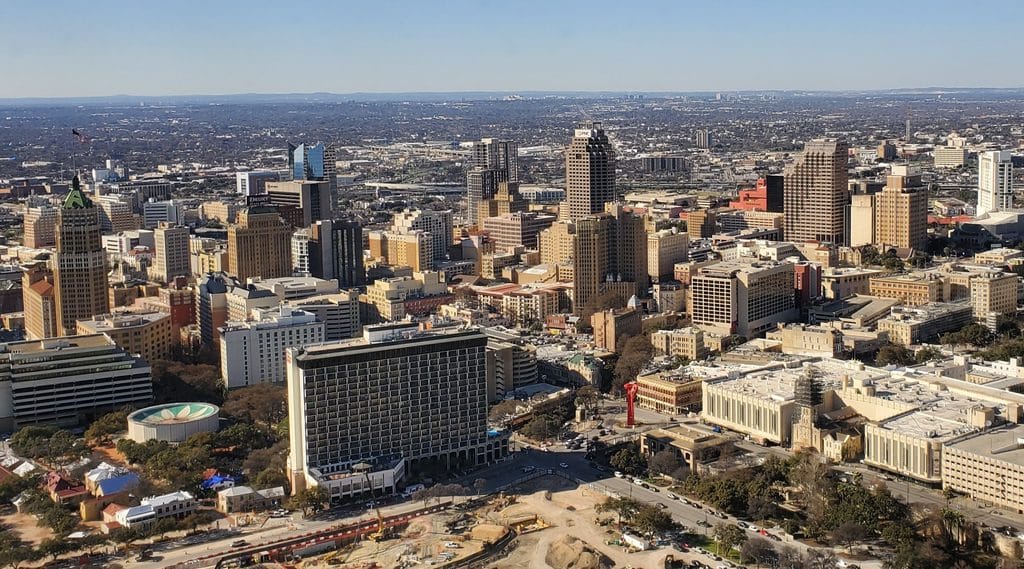

For San Antonio residents, the election brought changes at nearly every level of government.
In Congress, Democrat Joaquin Castro won reelection in District 20, while Democrat Johnny Garcia defeated Republican Carlos De La Cruz in the newly redrawn District 35. Democrat Katy Padilla Stout also flipped the Republican-held District 23, while Republican Mark Teixeira won District 21. Democrat Henry Cuellar retained District 28.
At the county level, former San Antonio Mayor Ron Nirenberg won the Bexar County judge race, defeating Republican Patrick Von Dohlen. Democrat Luz Elena Chapa was also elected Bexar County district attorney, succeeding Joe Gonzales.
Democrats gained ground in the Texas Legislature, too. Kristian Carranza flipped House District 118, while Zack Dunn defeated Republican incumbent Marc LaHood in District 121, which hadn’t elected a Democrat since 1981.
San Antonio voters also approved a 20-year extension of the existing one-eighth-cent sales tax funding Pre-K 4 SA, without increasing the tax rate. Approximately 73% supported the measure in reported returns.
Together, the results reflect significant changes in San Antonio’s political representation.
What Happens Next?
The 2026 midterms have changed Texas’ political landscape.
San Antonio voters chose representatives in congressional, state legislative, and county races, while also deciding education-funding measures.
Still, election victories are only the beginning of a transition. Several results remain unofficial pending certification, and the incoming officeholders will face the challenge of turning campaign promises into governing decisions.
The results have established who will hold many of the state’s most influential offices. What those leaders do with their new authority will determine how much changes for the communities they represent.
Author

Related Articles

Election Day Fact Check: 8 Common Voter Fraud Myths, Debunked
Dead people voting? Rigged voting machines? You’ve probably heard these claims, especially around election season. But what does the evidence actually show?

The Path From Local Flock Cameras to Immigration Enforcement
In this conclusion to our two-part series on Flock cameras, we look at how locally collected license plate data can move between agencies and how it can end up being used in immigration enforcement.

Inside the Flock Surveillance Network and What It Means for Immigrants
You may have driven past a Flock camera without even noticing it. But where does the information it collects actually go?