
Surprising San Antonio Facts That Make the City Unique
From lowrider culture and mariachi traditions to the Chili Queens who helped define the city’s food identity, we rounded up a few facts that make San Antonio feel completely its own.
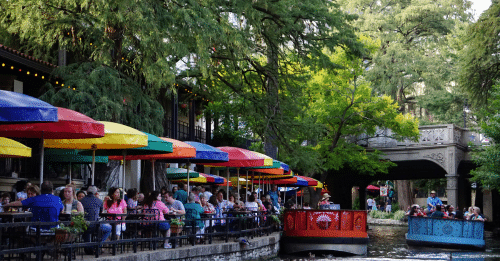
Most people know San Antonio for a few (wonderful) things: the Alamo, the River Walk, Spurs fans who take basketball very seriously, and a citywide loyalty to breakfast tacos.
But the deeper you get into San Antonio, the more the city starts revealing things that don’t always make it into the usual travel guides. Whether you’ve lived here forever or are still getting to know the city, here are a few interesting facts about San Antonio that make it feel unlike anywhere else in Texas.
1. San Antonio Is One of the Most Latino Major Cities in the U.S.
San Antonio is 64.6% Hispanic and Latino, and that influence shapes nearly every part of the city’s identity and culture, from food and language to neighborhood traditions and local celebrations.
2. The City Is Recognized by UNESCO for Its Food Culture
San Antonio is one of only two cities in the United States designated as a UNESCO Creative City of Gastronomy. That checks out the second someone spends a weekend here eating their way through breakfast tacos, barbacoa, puffy tacos, tamales, pan dulce, and late-night Tex-Mex.
3. The “Chili Queens” Helped Shape the City’s Food Identity
Back in the late 1800s, women known as the “Chili Queens” sold Mexican food in San Antonio’s plazas over mesquite fires. That street-food culture never really disappeared. There are still echoes of it today in local taquerías, elote stands, aguas frescas shops, and food vendors across the city.
4. El Mercado Is More Than a Tourist Stop
Historic Market Square, also known as El Mercado, is the largest Mexican market in the U.S. and one of the clearest examples of San Antonio’s Mexican heritage showing up in daily life. Between the papel picado, spice shops, handcrafted goods, live music, and endless food options, this place is a snapshot of the city’s cultural rhythm.
5. Fiesta Started More Than 130 Years Ago
Fiesta San Antonio began in 1891 and has grown into one of the city’s biggest annual traditions, taking place every April. Today, the 11-day celebration offers music, food, parades, school traditions, and community events across the city, with deep Latino influence woven throughout nearly every part of it.
6. Día de los Muertos Is Celebrated on a Huge Scale Here
In many places, Día de los Muertos celebrations stay mostly within homes and family gatherings. In San Antonio, it’s a public affair and one of the largest Day of the Dead celebrations in the country. The city hosts river parades like “River of Souls,” altars across businesses and cultural centers, and large community events honoring loved ones who have passed. It’s a joyful, reflective, and deeply cultural time.
7. Mariachi and Folklórico Are Part of Everyday Life
In San Antonio, mariachi and folklórico aren’t treated like distant cultural performances put on only for visitors. They’re part of school programs, events like the Ford Mariachi Festival, family celebrations, and community traditions that many residents grow up around from an early age.
8. Lowrider Culture Has Long Been Part of the City’s Creative Identity
Lowrider culture has deep roots in San Antonio and continues to be a visible form of artistic and cultural expression across the city. The cars themselves often function as moving pieces of art, and they’re carefully customized reflections of pride and style.
Some cities keep their culture inside museums, but San Antonio’s culture tends to spill out into everyday life.
That’s part of what makes the city feel so recognizable to the people who call it home. The culture here doesn’t need to be staged or introduced. It’s already woven into the city.
Author

Related Articles
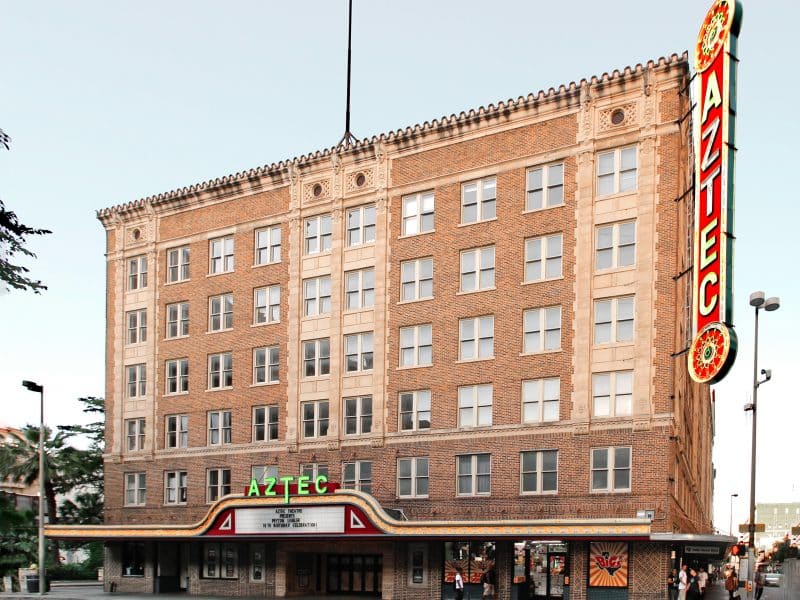
How the Aztec Theatre Survived 100 Years of Reinvention
For nearly 100 years, the Aztec Theatre has welcomed generations of San Antonians through its doors. Here’s how it has survived.

Books by San Antonio Authors That Belong in Your Summer Reading Stack
From haunted houses and borderland Westerns to poetry collections and deeply personal San Antonio stories, these books by San Antonio authors deserve a spot in your summer reading stack.

To Understand San Antonio, You Have to Understand the Spurs
In San Antonio, Spurs fandom is rarely just about sports. It is about family, community, and feeling at home. We explore why no team is woven into the city quite like the Spurs.