
The Hidden Cost of Black Friday Fashion Deals
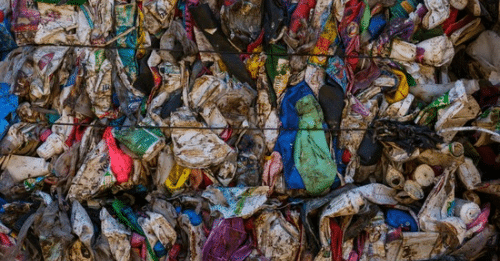
Black Friday fashion deals can be hard to resist, but behind those low prices is a growing problem: millions of tons of textile waste, much of it ending up in communities thousands of miles away.
Black Friday is here, and with it comes the familiar flood of clothing deals. Shirts for $5, dresses for $10, and discounts that make buying a few extra things feel like a smart financial decision. After all, who doesn’t love a good bargain?
But there’s a bigger question worth asking: How can clothing be sold so cheaply, and who ends up paying the costs that aren’t reflected on the price tag?
Behind the low prices is a global fashion industry producing huge amounts of waste, much of which ends up affecting communities thousands of miles from where the clothes were originally purchased.
The Environmental Cost of Disposable Fashion
Fast fashion has made trendy clothing more accessible than ever. Retailers can introduce new styles quickly, sell them at low prices, and encourage shoppers to keep up with changing trends.
The problem is what happens when clothing is produced and discarded at that pace.
According to a March 2025 press release from the United Nations Environment Programme (UNEP), an estimated 92 million tonnes of textile waste are generated each year globally. The agency also cited a doubling of clothing production between 2000 and 2015, alongside a 36% decline in the duration of garment use.
Textile Exchange also reported that global fiber production reached 139 million metric tonnes in 2025, up from 132 million the previous year. These figures cover the wider fiber market, not fast fashion alone, but they show that production continued to increase.
Producing clothing requires raw materials, water, energy, and labor. When garments are quickly discarded, those resources are wasted, too.
And while donating unwanted clothes might seem like a straightforward solution, the reality of where some of those garments end up is far more complicated.
Where Do All Those Unwanted Clothes Go?
One of the clearest examples can be found in Chile’s Atacama Desert, where huge piles of discarded clothing have accumulated near the city of Alto Hospicio.
The region has become a destination for unwanted garments from international clothing markets. Some items arrive through the secondhand trade, but clothing that can’t be sold or reused can end up abandoned in informal dumpsites.
The consequences extend beyond the way the desert looks. Synthetic materials can persist in the environment, while improperly managed textile waste creates risks for surrounding soil and water.
Chile isn’t alone in dealing with the consequences of the global clothing trade.
In Ghana, secondhand clothing imports support a major resale economy, providing affordable garments and livelihoods for local traders. However, the volume and quality of imported clothing also create serious waste-management challenges.
A report published in September 2024 by Greenpeace Africa and Greenpeace Germany, based on fieldwork conducted in October 2023, documented how discarded textiles from Accra’s Kantamanto Market ended up in informal dumpsites or were burned as fuel to heat water at public washhouses in nearby Old Fadama.
Greenpeace researchers collected air samples at three public washhouses and detected hazardous pollutants, including benzene and polycyclic aromatic hydrocarbons. The report said several measured concentrations exceeded German indoor-air guide values.
These examples reveal an uncomfortable reality: Clothes purchased and discarded in wealthier markets can become an environmental burden for communities with fewer resources to manage the waste.
Governments Are Beginning to Make Fashion Companies Responsible for Waste
For years, conversations about sustainable fashion have focused heavily on what consumers should do differently, like buy less, shop secondhand, upcycle, repair old clothes, etc.
Those choices matter, but, on their own, they don’t address how much clothing companies produce or what happens to products they can no longer sell.
That’s where recent policy changes come in.
In June 2025, Chile’s Ministry of the Environment officially designated textiles as a priority product under its Extended Producer Responsibility law, known as the REP law.
The principle is relatively simple: Companies that introduce products into the market should share responsibility for managing the waste those products generate.
Companies introducing textiles into Chile’s market already face registration and annual reporting obligations. The government is developing the collection and recovery targets that will establish further responsibilities for the sector.
But the distinction between creating a policy framework and putting it into practice matters.
As of 2026, Chile is still developing the specific collection and recovery targets that would determine how those obligations operate. The designation represents progress, but it hasn’t eliminated the clothing waste already accumulating in the country.
Meanwhile, the European Union has taken another significant step.


On July 19, 2026, an EU prohibition on destroying unsold clothing, clothing accessories and footwear began applying to large companies.
The rules are intended to prevent businesses from discarding usable products simply because they haven’t sold. Instead, companies are expected to prioritize options such as resale, donation, repair, and reuse.
Medium-sized companies will be covered beginning in 2030, while small and microbusinesses are exempt. The regulations also allow limited exceptions, including certain unsafe or damaged products.
The EU has also adopted new requirements for textile and footwear producer-responsibility programs. Under these programs, companies will contribute financially to collecting and managing textile waste, although member states have 30 months from the directive’s October 2025 entry into force to establish these programs.
Neither approach guarantees an end to textile pollution. But both challenge the idea that managing discarded clothing should primarily be the responsibility of shoppers, charities, or receiving communities.
What Can Shoppers Do This Black Friday?
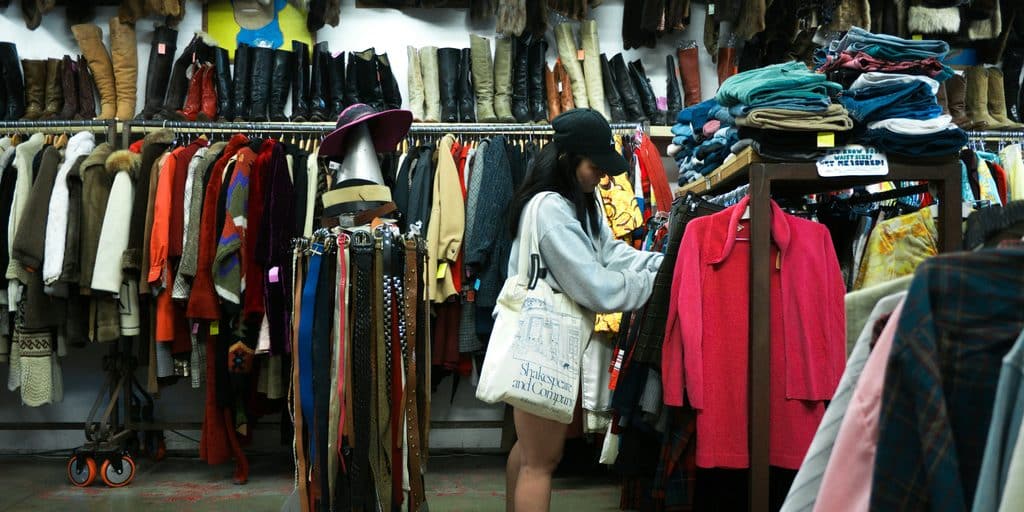
It’s easy to tell people to stop buying fast fashion, but that advice overlooks an important reality: Affordable clothing is a necessity for many.
When budgets are tight, buying the more expensive option isn’t always possible. And consumers shouldn’t be expected to solve an industry-wide problem through individual purchasing decisions alone.
Still, there are practical ways to approach Black Friday shopping more thoughtfully.
Before buying something, consider whether you need it, how often you’ll wear it, and whether the material and construction will hold up over time. Could an existing garment be repaired? Would a secondhand option meet the same need?
A low price can be a genuine financial benefit, especially when the purchase is something you’ll use for years. The concern is the pressure to buy more simply because everything appears to be on sale.
Ultimately, reducing fashion’s environmental impact requires more than thoughtful shopping. Companies need to address overproduction, improve durability, and help cover the costs of managing the waste their products create.
Author

Related Articles

Who Covers Your Community When Local Newsrooms Disappear?
We explore what’s at stake when local journalism disappears, how independent Latino-serving newsrooms are stepping up, and why supporting their work matters.

Can You Record ICE Agents? Here’s What the Law Says
If you witness an ICE arrest, can you legally record it? And what happens if an agent tells you to stop? We break it down.

Surveillance, Privacy, and Immigration Enforcement: The Concerns Behind AI Glasses
We explore what AI glasses could mean for privacy, consent, the people caught on camera, and immigration enforcement.