
Why Going No-Contact Can Be a Life-Changing Act of Self-Respect
Ever reach the point where “talking it out” just isn’t enough? That’s when going no-contact becomes an option, and an act of self-preservation.

There comes a moment—it may take months or years—when you realize you’ve hit your limit with someone in your life. You’ve tried talking it out. You’ve tried compromising, understanding, and even forgiving, but nothing changes. The relationship still drains you, confuses you, or leaves you questioning your worth. At some point, protecting your peace becomes more important than keeping the connection, no matter how deep the bonds go.
That’s when going no-contact starts to feel less like a drastic measure and more like a necessary act of self-preservation. For many people, going no-contact isn’t an act of revenge or bitterness. It’s a conscious choice to stop participating in a cycle of harm. And in that silence, many find their first taste of peace. Still, it’s not easy to go through with it. Cutting someone off, whether it’s a partner, parent, friend, or sibling, can feel overwhelming, even if you know it’s the right move. You might be asking: What happens after I do this? Will I feel relief or regret?
Emotional Clarity Begins with Space
Research has shown that staying in contact can lead to a feeling of stagnation. This could be why one of the most common shifts reported after going no-contact is emotional clarity. Without the constant noise of someone else’s moods, manipulation, or influence, people can begin to hear themselves again and sort through their feelings more authentically. This distance often reveals the truth beneath the surface: how the relationship really made them feel, instead of how they hoped it would. For many, it’s the first step in breaking free from trauma bonds and finally seeing the situation as it really was.
Interrupting the Cycle of Harm
Toxic relationships tend to run in loops—familiar arguments, temporary peace, and then back again. Maybe you’ve apologized for things you didn’t do, twisted yourself to fit someone else’s comfort, or been “on again, off again” with someone. Empirical studies show that “relationship cycling” (breaking up or taking distance and reconciling repeatedly) is common and is associated with increased psychological distress, including symptoms of depression and anxiety. No-contact can act like a circuit breaker. It stops the cycle, not just by creating physical and emotional space, but by giving you a chance to see the pattern from the outside. And with that awareness comes the power to choose something different in the future.
Rediscovering Who You Are
In the intensity of a toxic connection, it’s easy to forget who you were before it began. No-contact isn’t just about walking away from someone else, it’s about walking back to yourself, which is much more important. Freed from emotional entanglements that no longer serve them, many people rediscover forgotten interests, reconnect with personal goals, or simply learn to enjoy the stillness of their own company.
That’s exactly what therapists and mental health professionals recommend. “Immersing yourself into something you want to try—or returning to an activity you loved before getting into your relationship—can not only serve as a welcome distraction but also help to remind you of who you are,” stated Dené Logan, LMFT, in a purewow interview. No-contact can be healing and free people up to make new, healthier connections with people who are willing to give as much as they’re willing to take.
Time to Heal, Space to Reflect
Without the constant emotional chaos of a toxic connection, a different kind of energy can start to bubble up inside you: reflective, intentional, and healing. This is when the deeper work can begin because you have space to piece together how you got here, and more importantly, how you want to move forward. Growth doesn’t always look like a straight line. Some days are hard. Some nights bring doubt. But within that space of reflection, something sacred happens: you start to feel like your life is yours again.
Choosing Peace Over Permission
If you’re considering going no-contact, consider that it shouldn’t be about punishment. A more productive lens to view it through is that it should be about preservation, healing, and building a life where the relationships you have aren’t only healthy, but also fulfilling, loving, and supportive. In walking away, you’re walking toward something more meaningful: a life that is fully yours. Built on your terms. Rooted in your truth. Free from the chaos that tried to convince you it was love.
Author

Related Articles
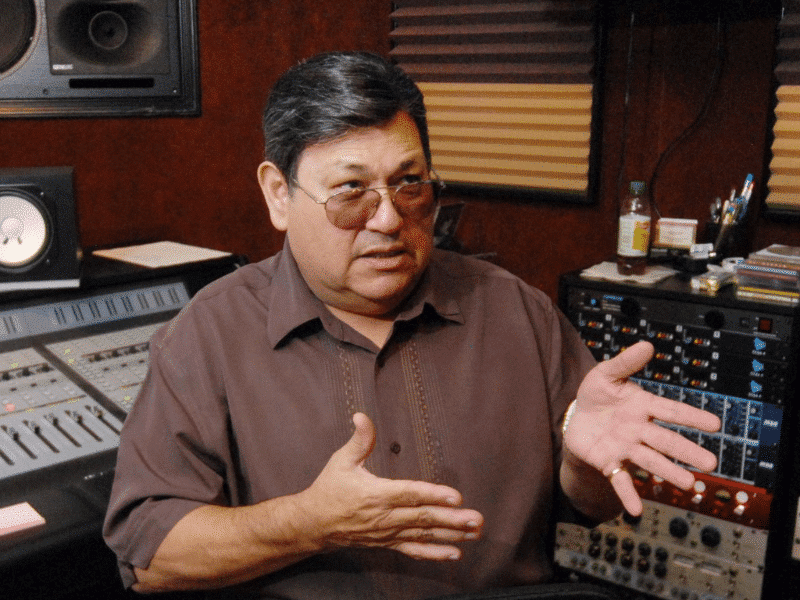
Remembering Abraham Quintanilla, Selena’s Father & Patriarch of Tejano Music
Abraham Isaac Quintanilla Jr., the patriarch behind one of the most enduring legacies in Latin music history and the father of the late Tejano superstar Selena Quintanilla, died on December 13, 2025, in Corpus Christi, Texas. He was 86.

10 Latino Myths to Get Spooked This Halloween
Even if you don’t totally buy into the supernatural, you have to admit—nothing beats the thrill of a good old-fashioned scary story.

September’s Latino Independence Days: A Month of Freedom
Across Latin America, September is a time of freedom, pride, and remembrance. This month marks the independence of many nations, each with its own powerful story of struggle, resilience, and celebration.